

The next part of our journey brought us to the island of Kyushu and the Kumamoto Prefecture. Japan is divided into 47 prefectures, forming the first level of jurisdiction and administrative division. They consist of 43 prefectures proper, two urban (Osaka and Kyoto), one “circuit” or “territory” (Hokkaido) and one “metropolis” (Tokyo).
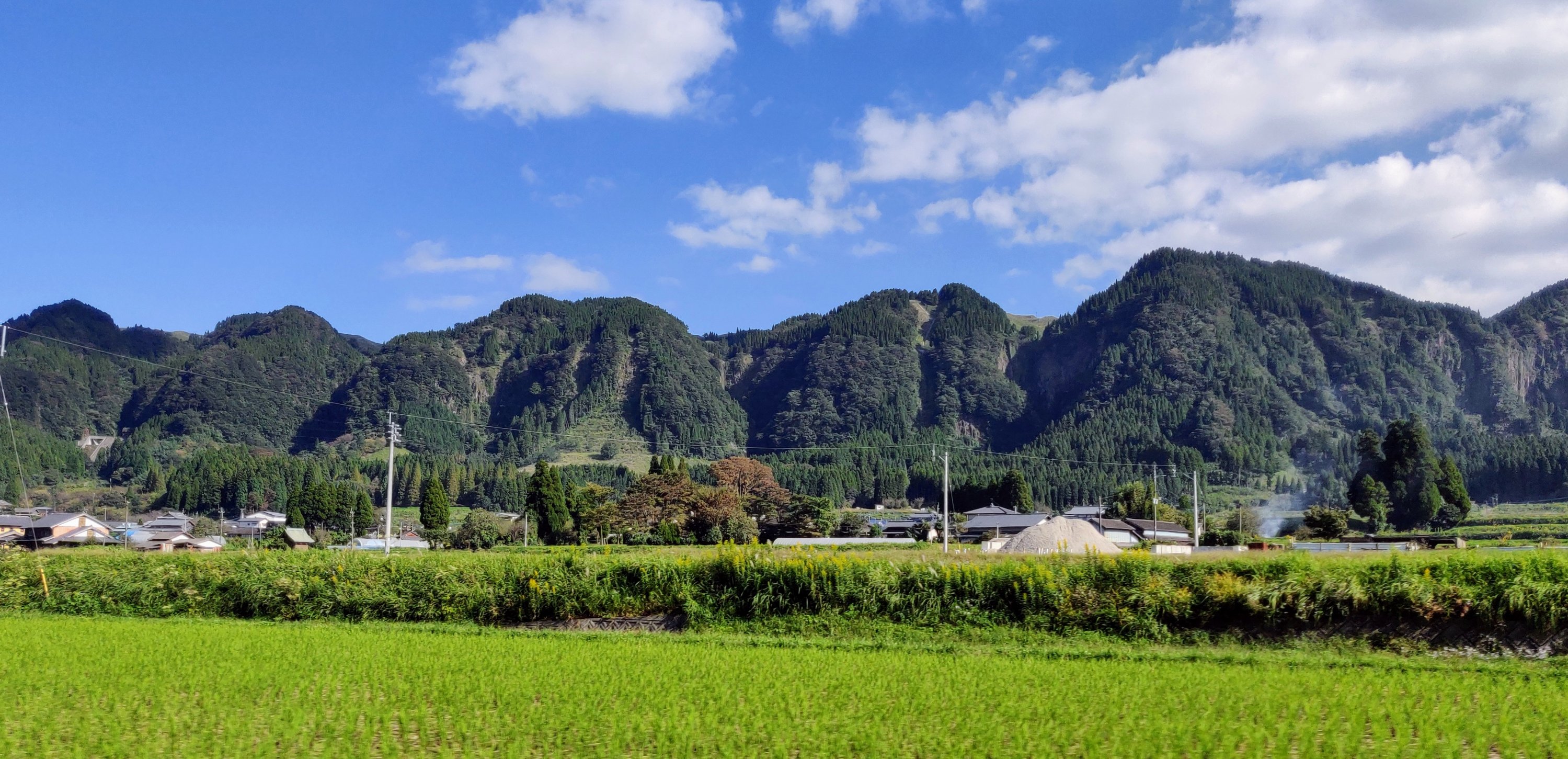
Kyushu is the southwestern most of Japan’s main islands. It has a mostly subtropical climate and is known for its active volcanoes, beaches and natural hot springs. We based ourselves in the Mount Aso National Park area.
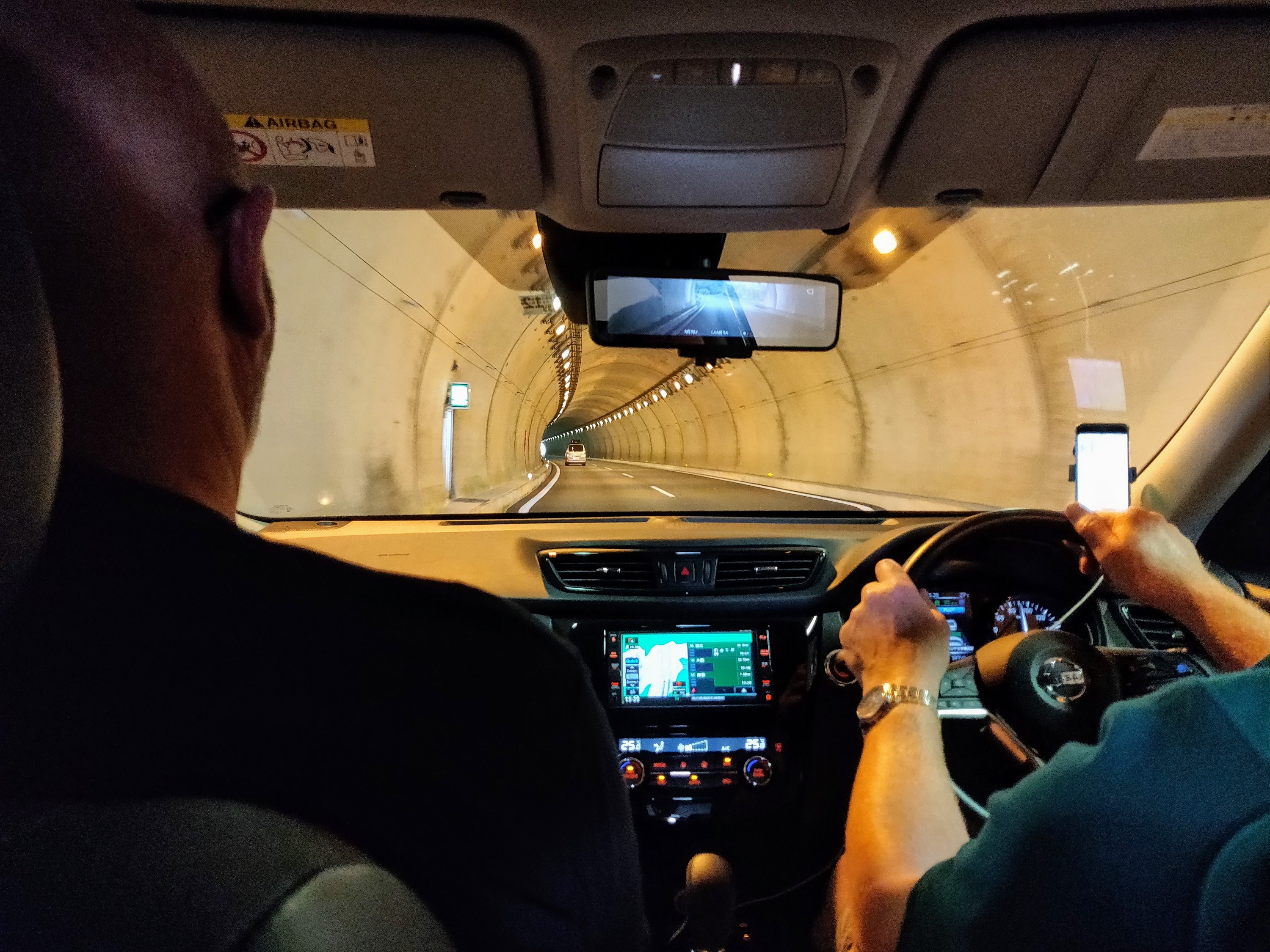
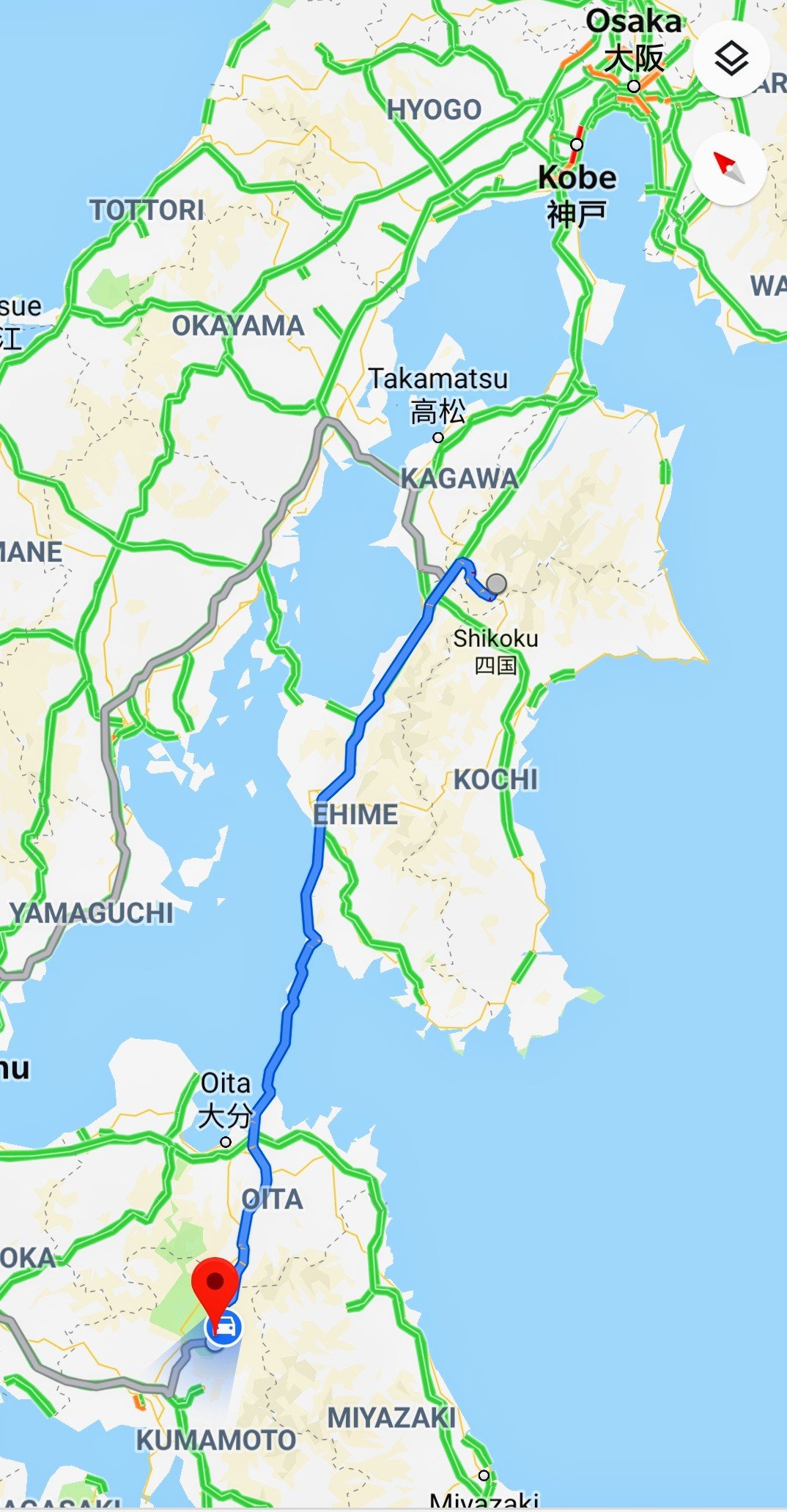
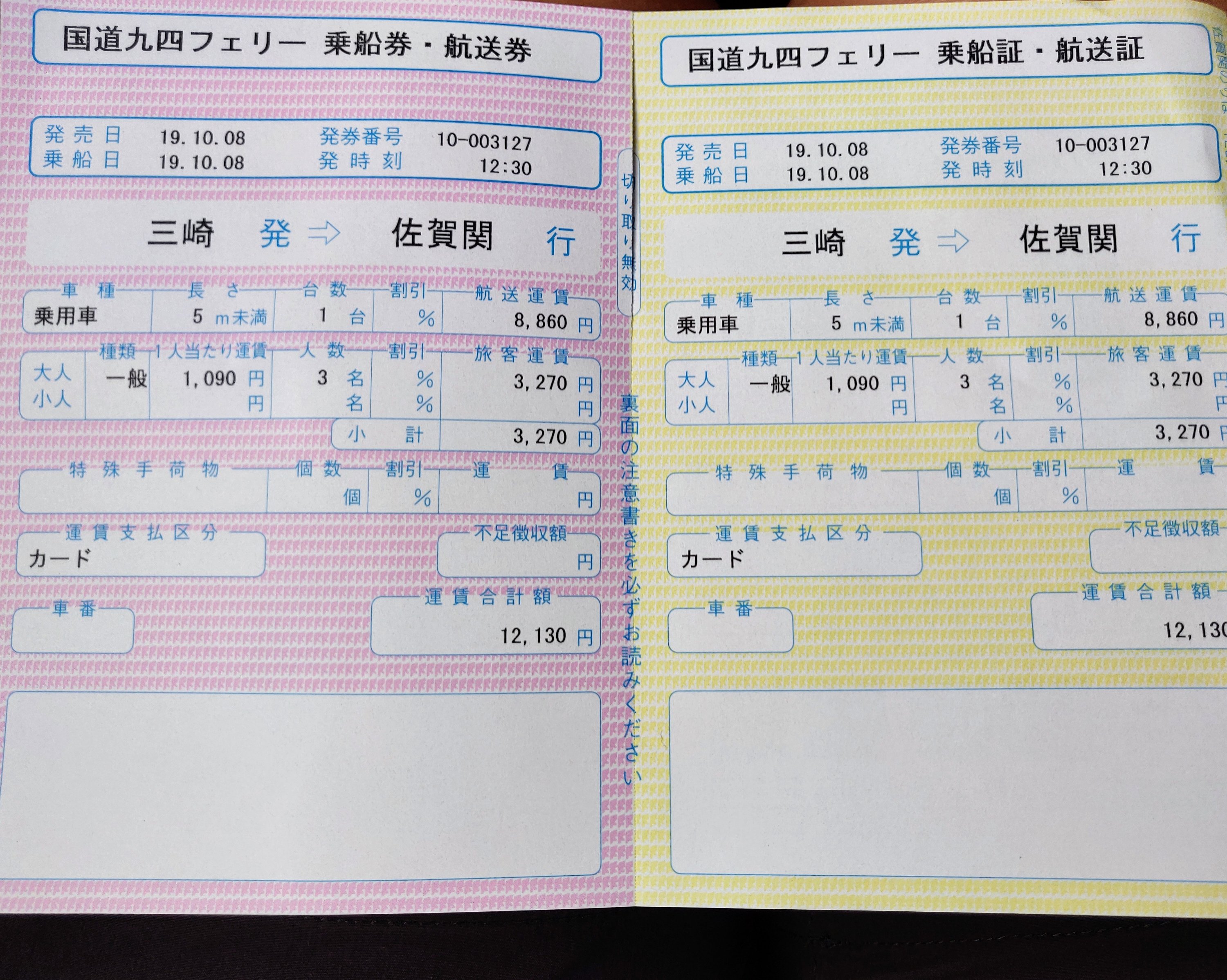
Getting there was an early start from Iya Valley, a 225 mile drive, numerous bridges and tunnels and a ferry ride!
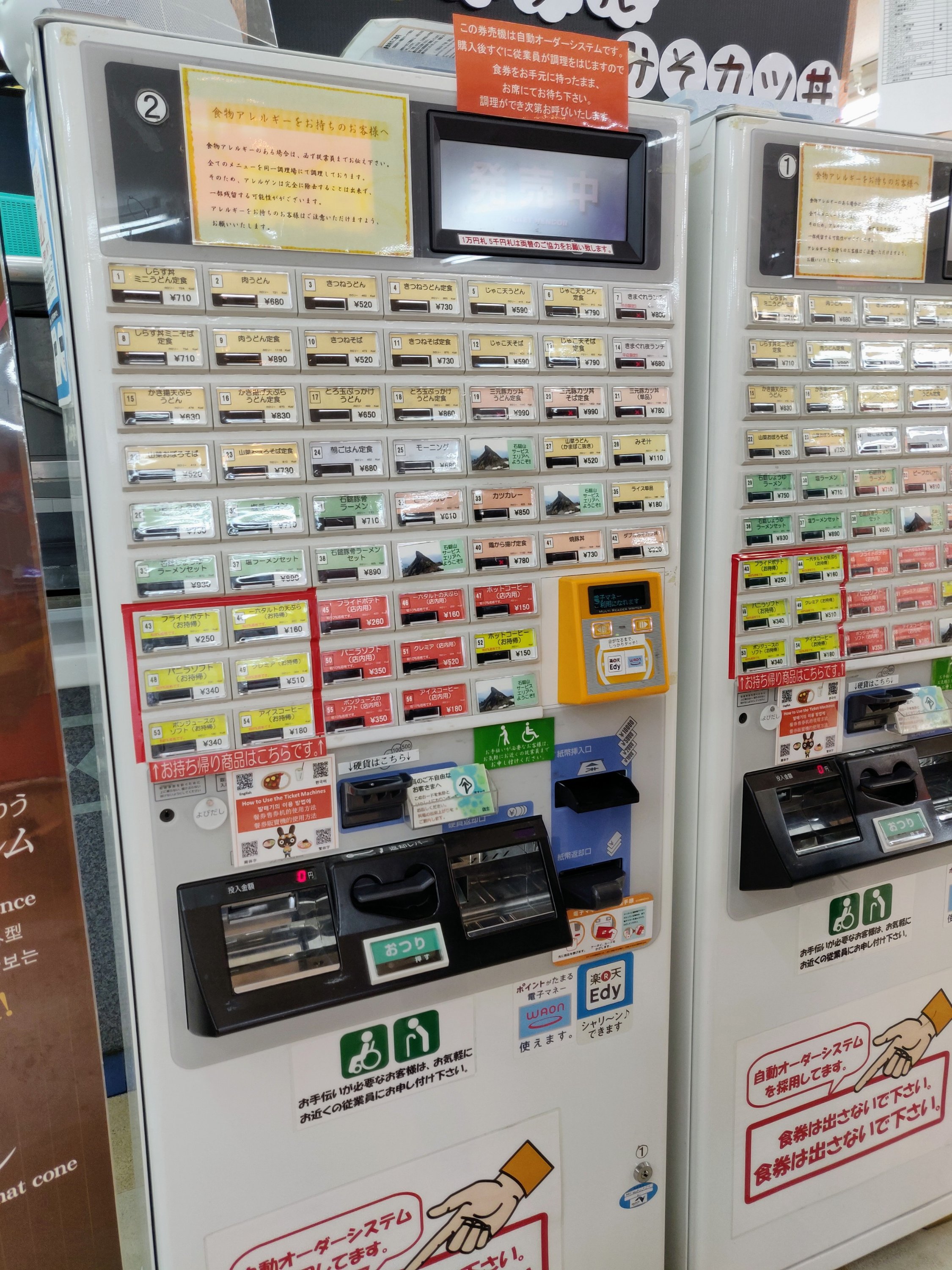
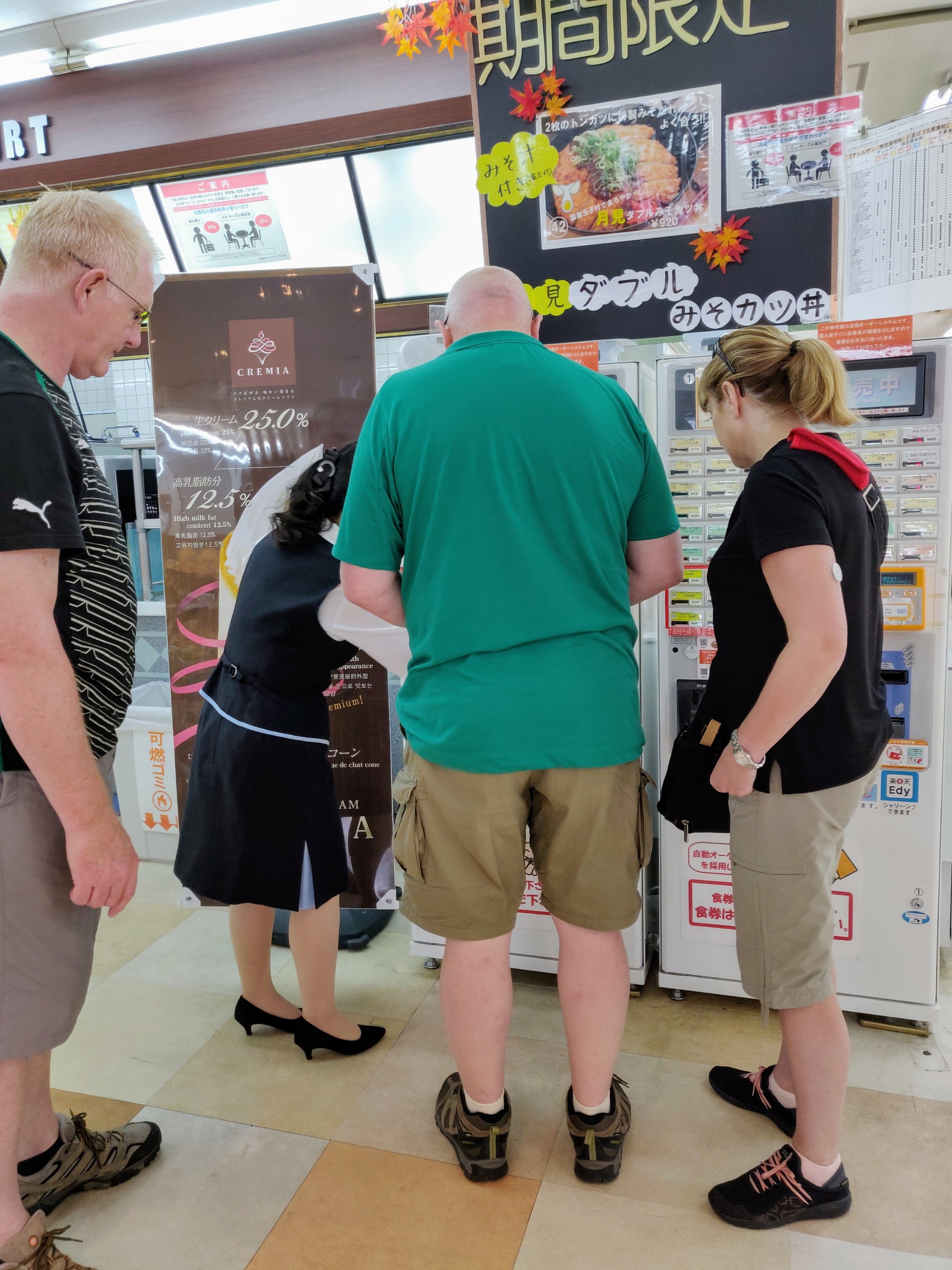
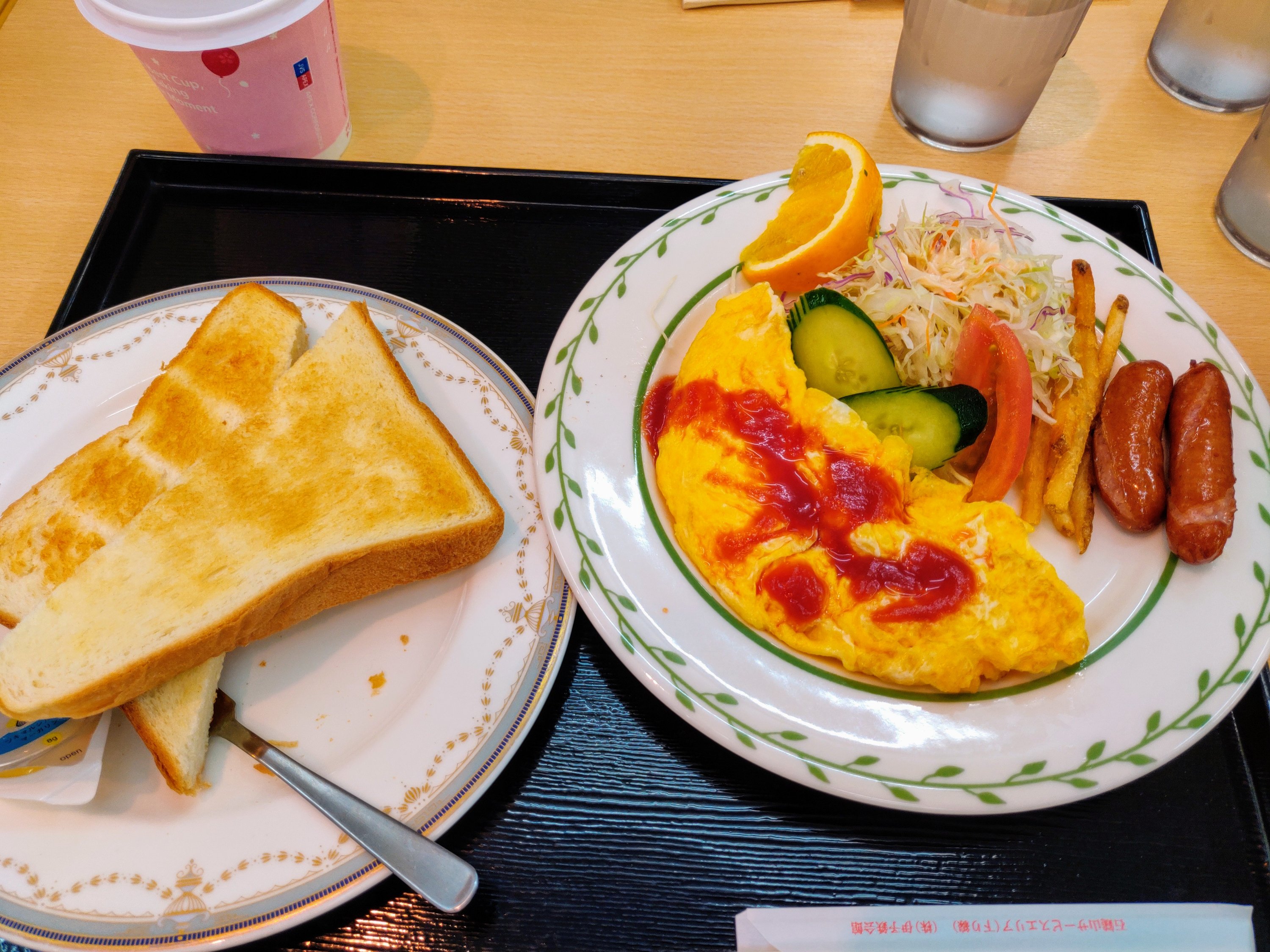
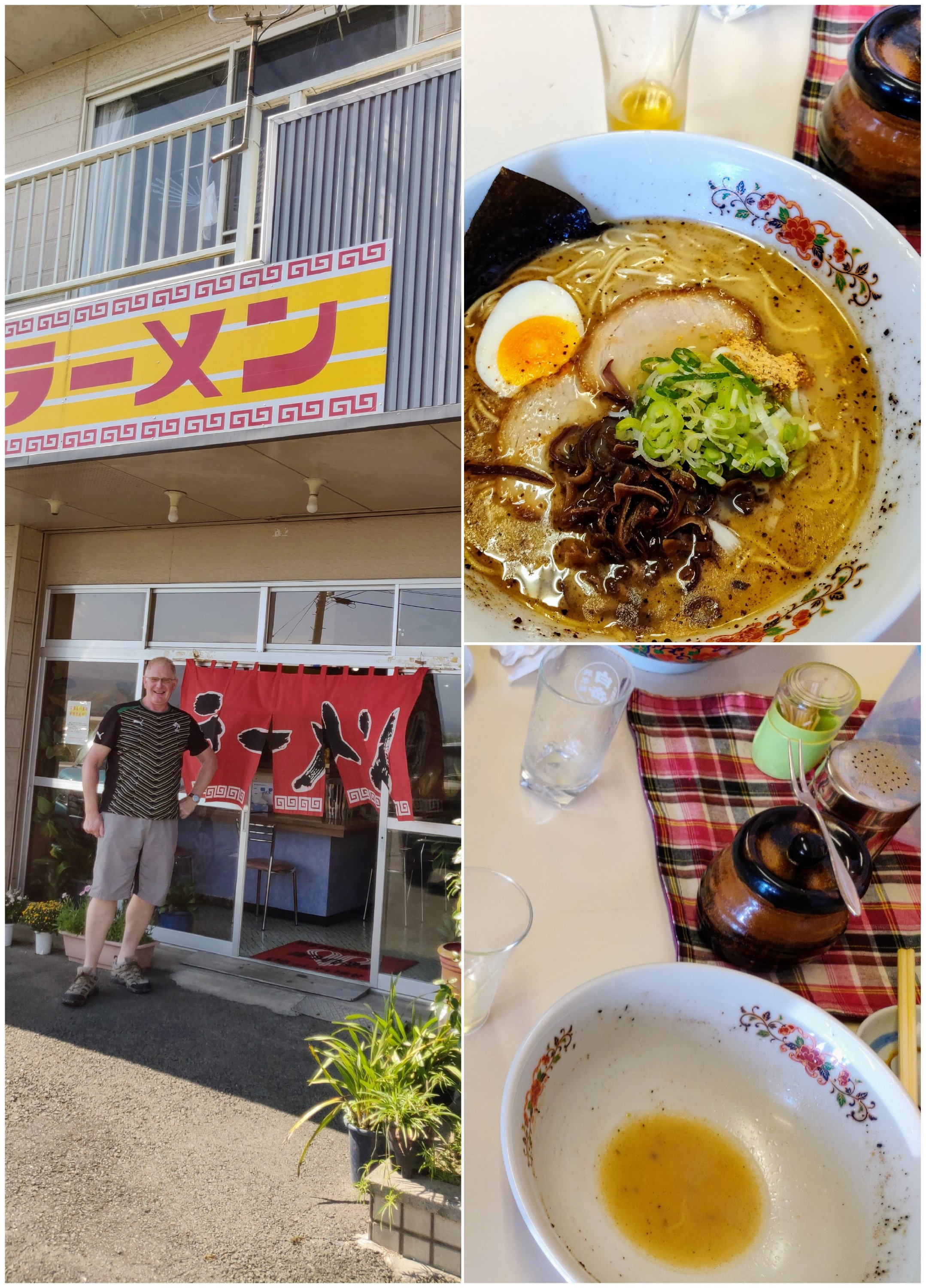
Now, I need to comment on our brunch stop on the way down! Since leaving Tokyo, and our local support, we have done pretty well ordering food in restaurants by looking at menus and pointing at the pictures. This stop was a whole new experience…
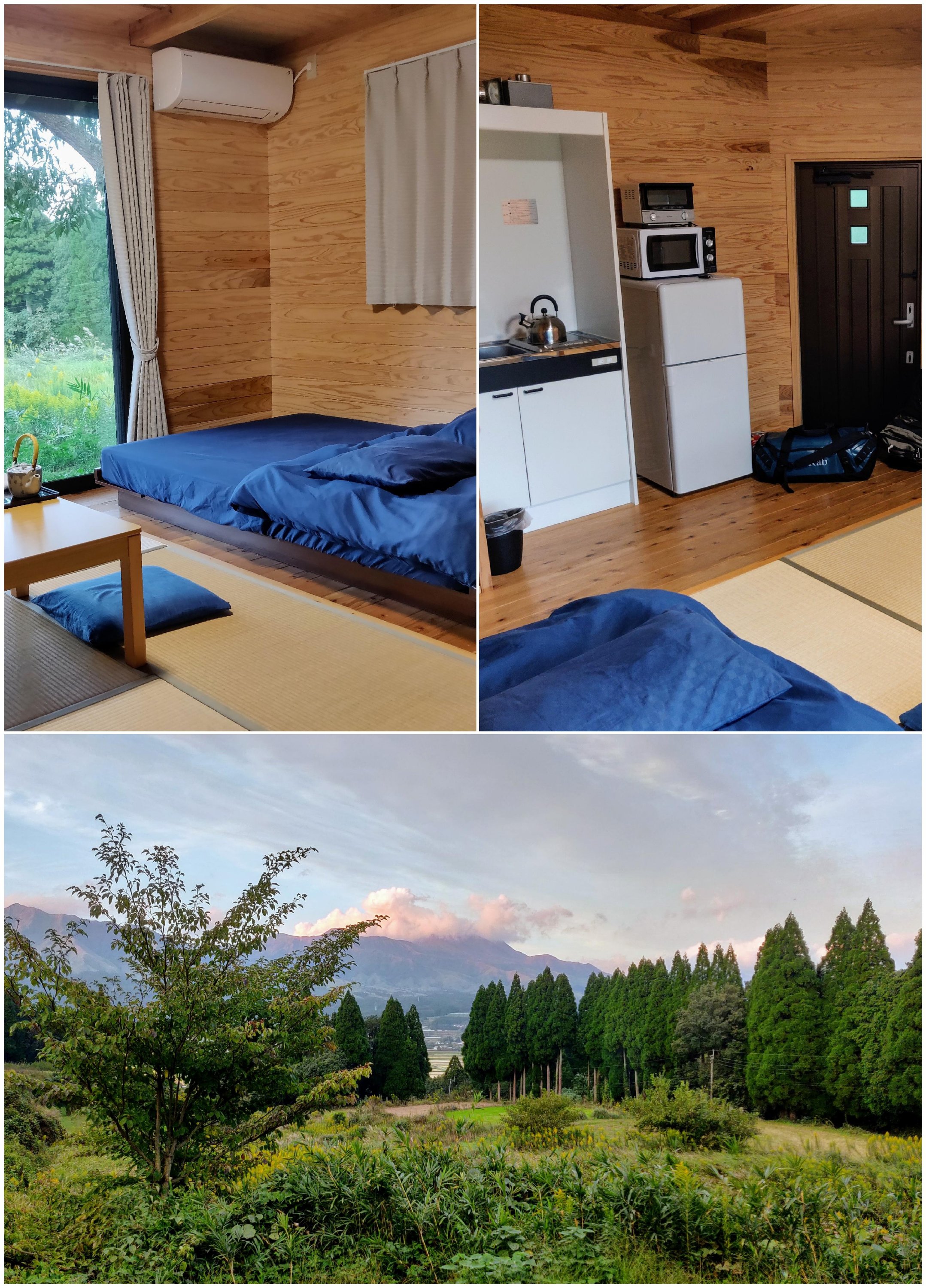
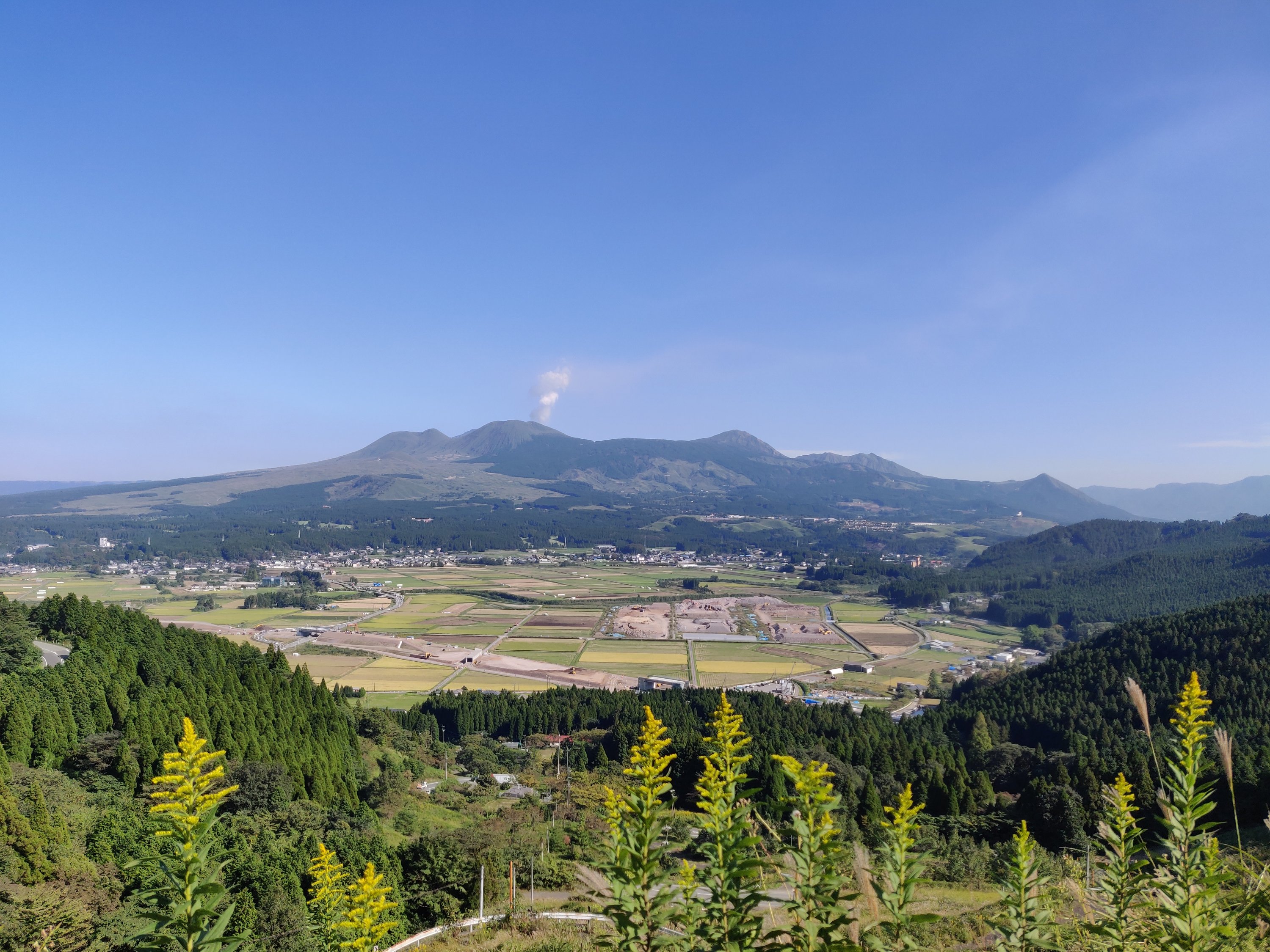
Miles done (Paul is firmly of he belief that Trevor is purposely giving him the very narrow roads to drive) our accommodation was at Wakka guesthouse. “Wakka” means “clean water” in Ainu language. We decided that is was more like posh glamping. A timber cabin which had two rooms on either end and a shared bath/shower room in the middle. Each room has its own toilet and vanity unit together with a small kitchenette with fridge/freezer, microwave and toaster. The front of the cabin had patio doors which overlooked Mt. Aso.

Aso’s ancient caldera ranks among the world’s largest, with a diameter of up to 25 kilometers and a circumference of over 100 kilometers and is a UNESCO Global Geopark. Surrounding the plains and volcanic clusters, the outer rims form a gently sloping pyroclastic plateau. This unique geography is formed by the Aso Volcano, which has displayed repeated volcanic activity since approximately 270,000 years ago.
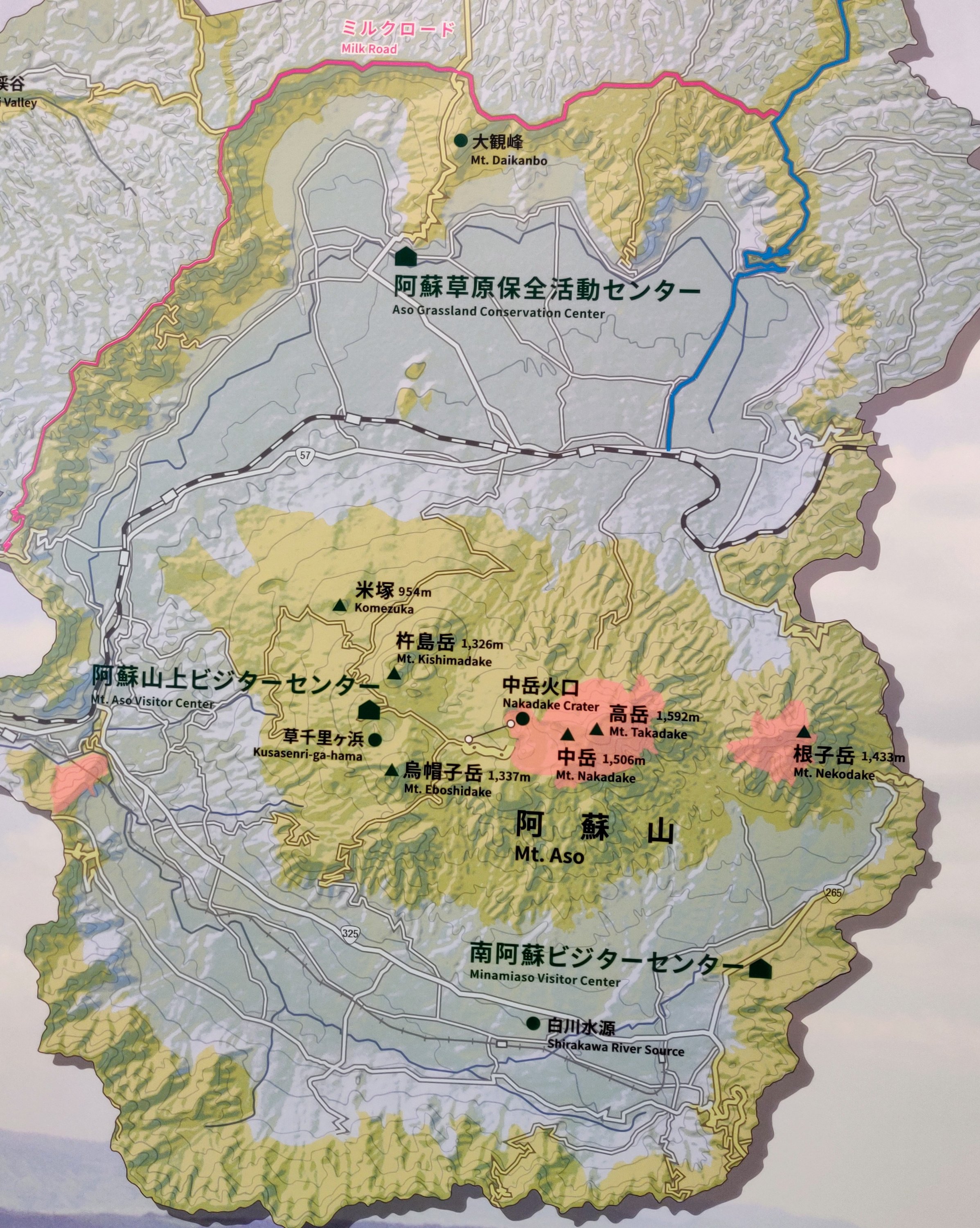
In the center of the caldera stand the mountain’s active volcanic peaks, including Mount Nakadake. Unfortunately it’s spectacular crater wasn’t accessible during our visit due to its volcanic activity.





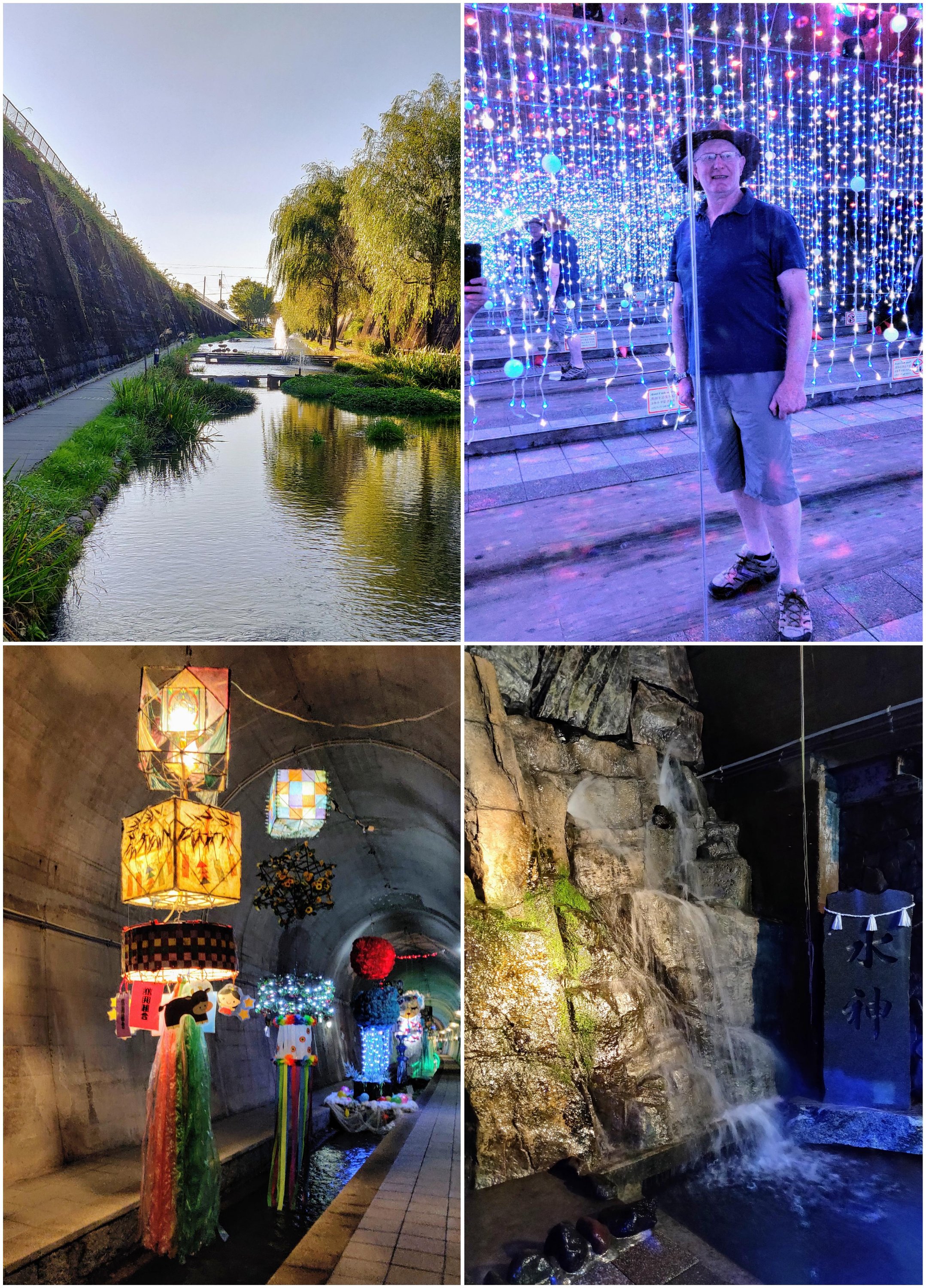
Takamori Yusui Tunnel Park
In December 1973 Japan National Railway Company started work on building a rail line to run across the prefectural border. The project was abandoned in February 1975 when they hit an underground river, while building a tunnel and water came gushing out. Instead a one kilometer stretch of the two kilometer tunnel was converted into a park. The volume of the water running beneath the wooden pathway is 32 tons per minute. The temperature at the end of the tunnel remains at 17 degrees Celsius throughout year, and it is possible to see the source of the river from where the excavation had originally taken place flowing like a waterfall.

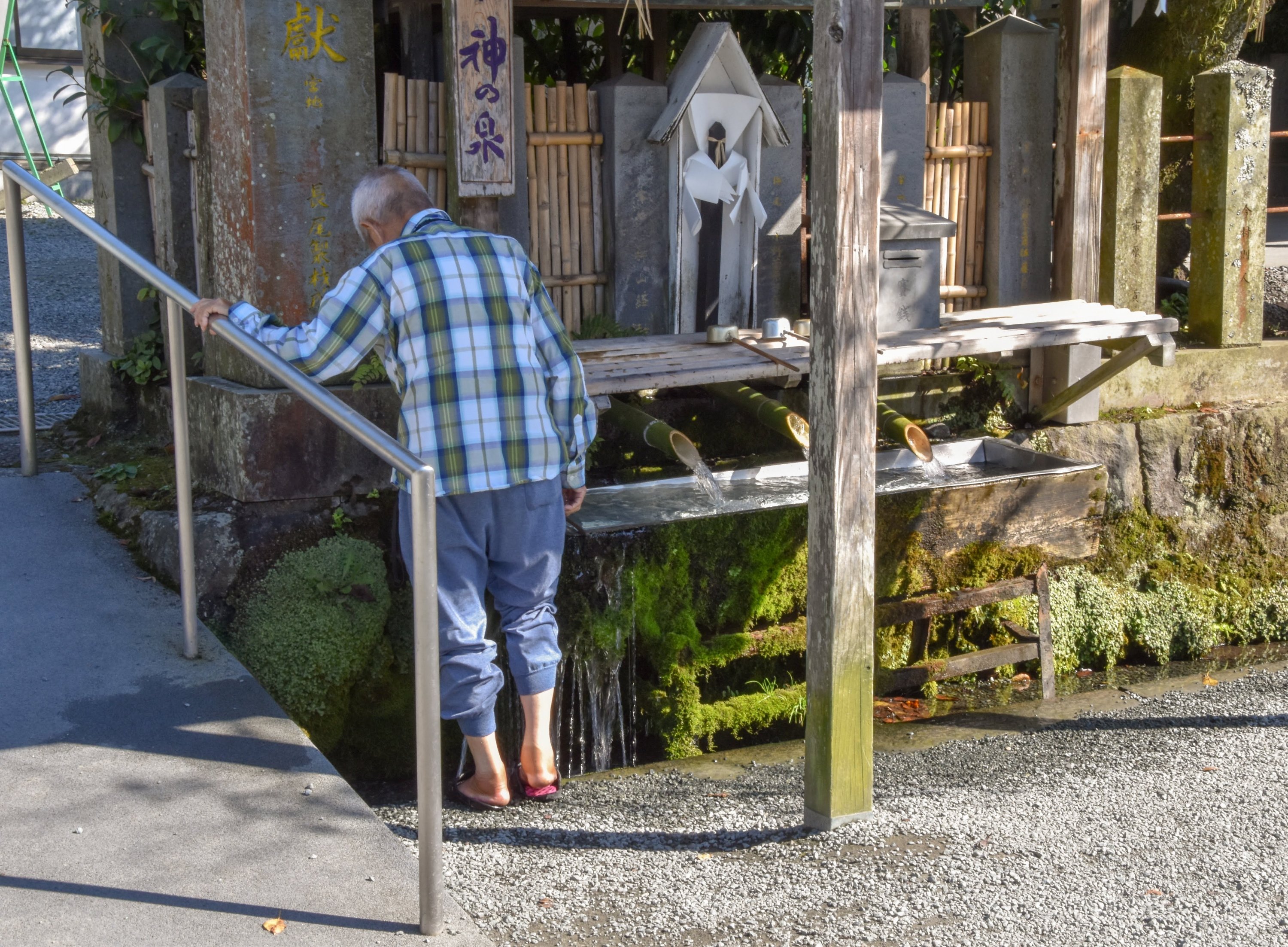
Aso Shrine
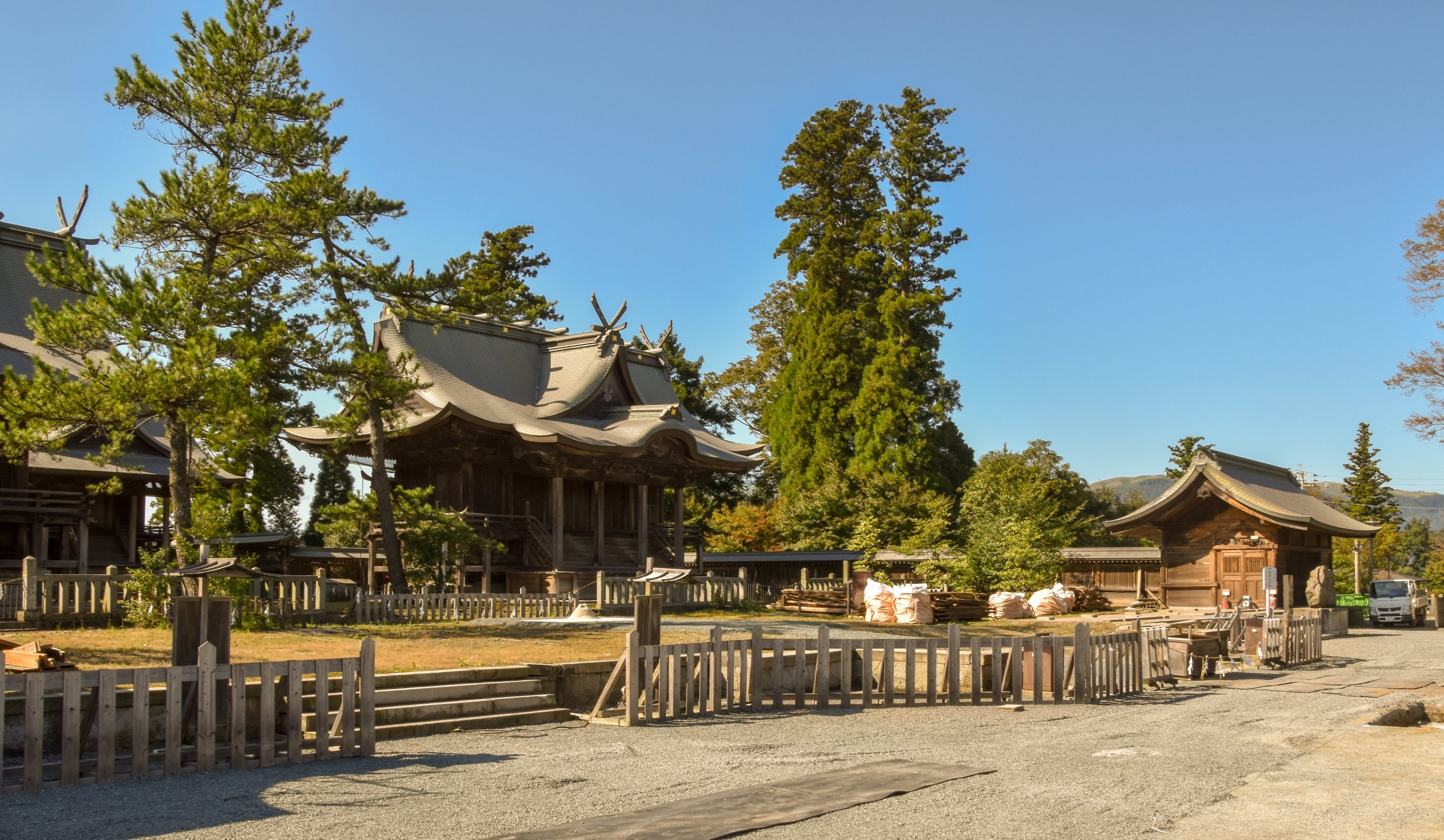
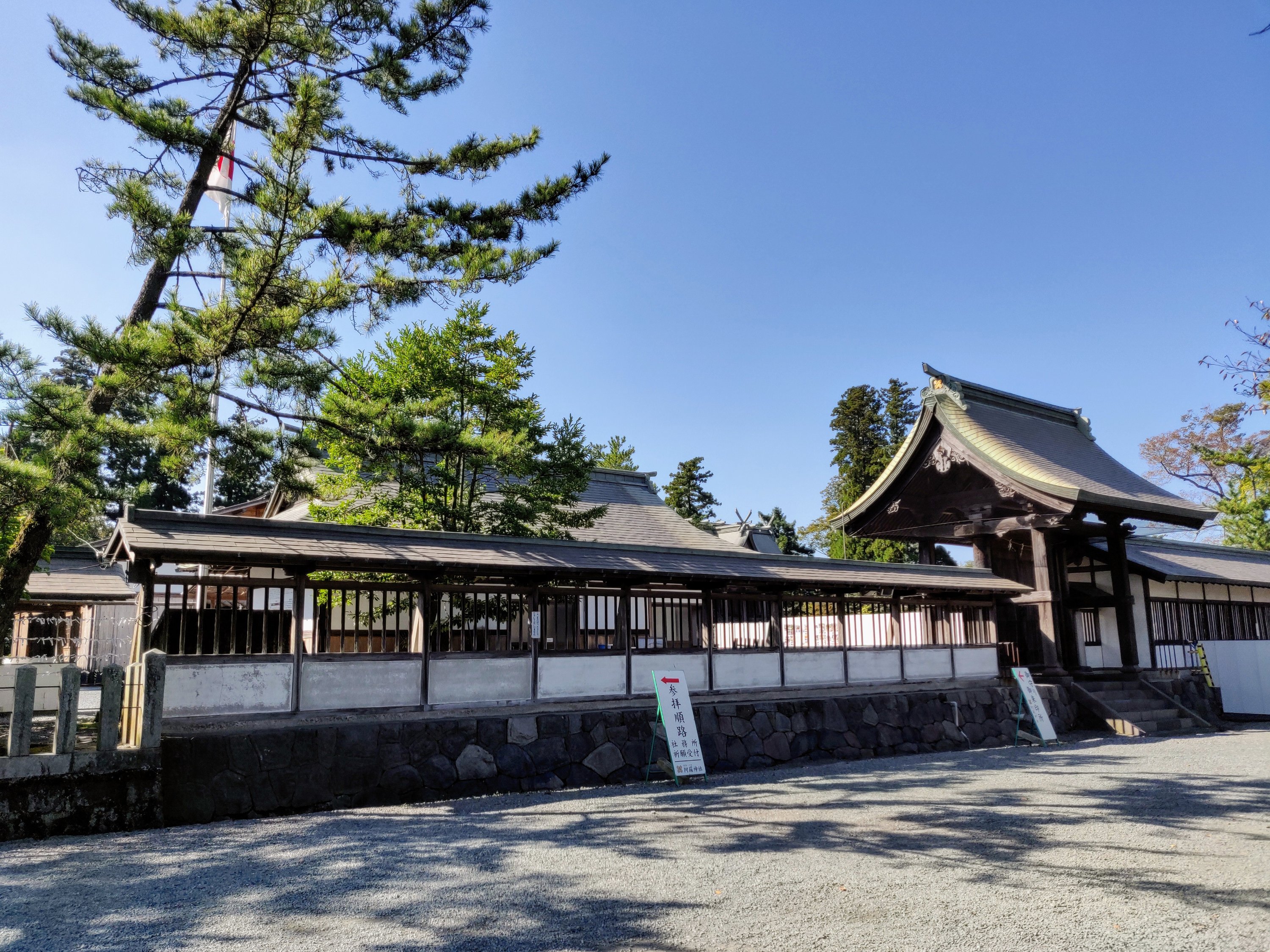
Aso Shrine dates back 2300 years. Unfortunately the shrine was damaged by the earthquake and is currently being rebuilt. However, even if you cannot see the magnificent Romon (tower gate) and Haiden (worshiping hall), there is a drinking place called water base (Mizuki) in the approach to the shrine where, it is said, that those who wash in the water will enjoy the benefits of longevity.
Nabegataki Falls
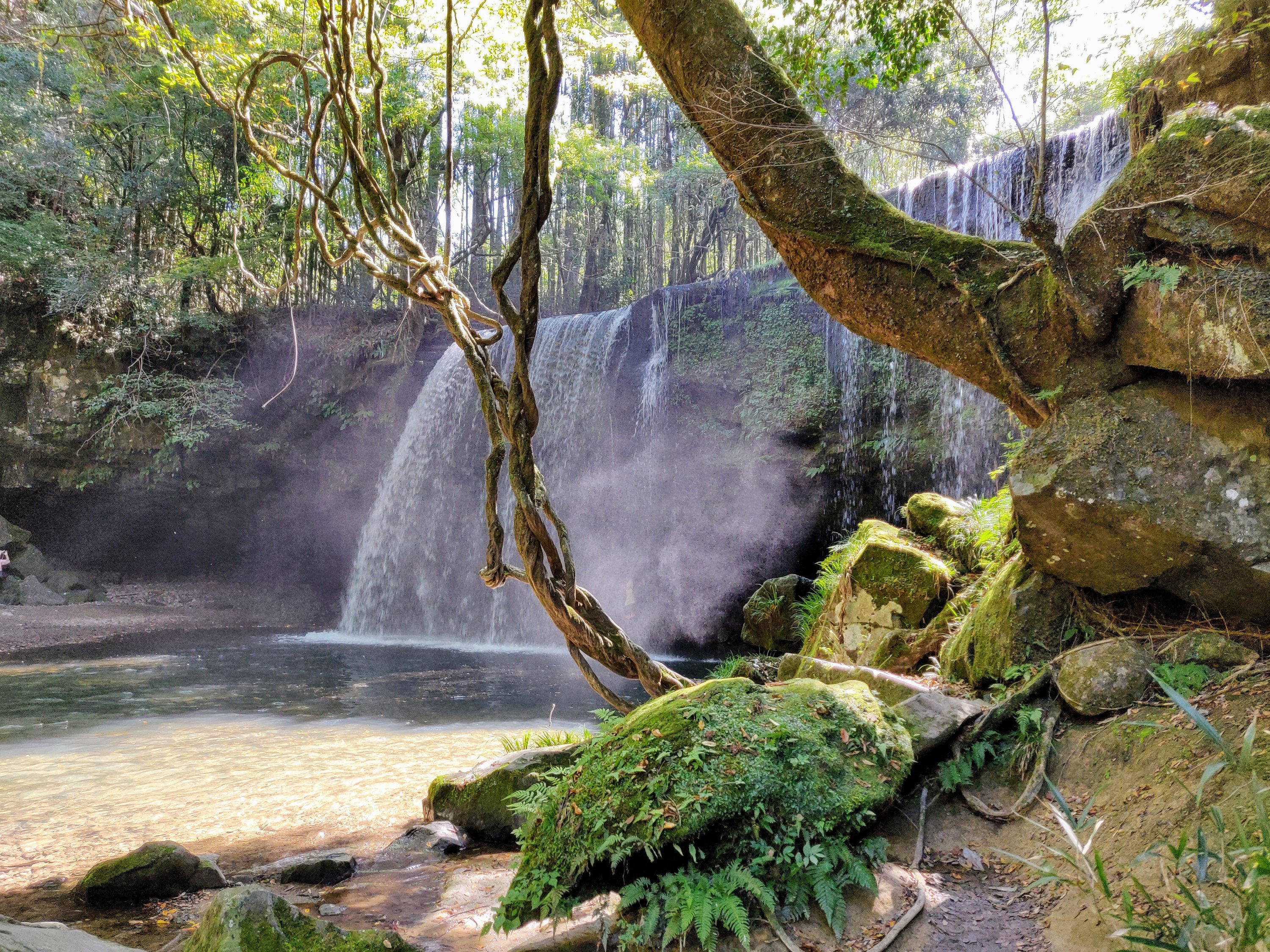
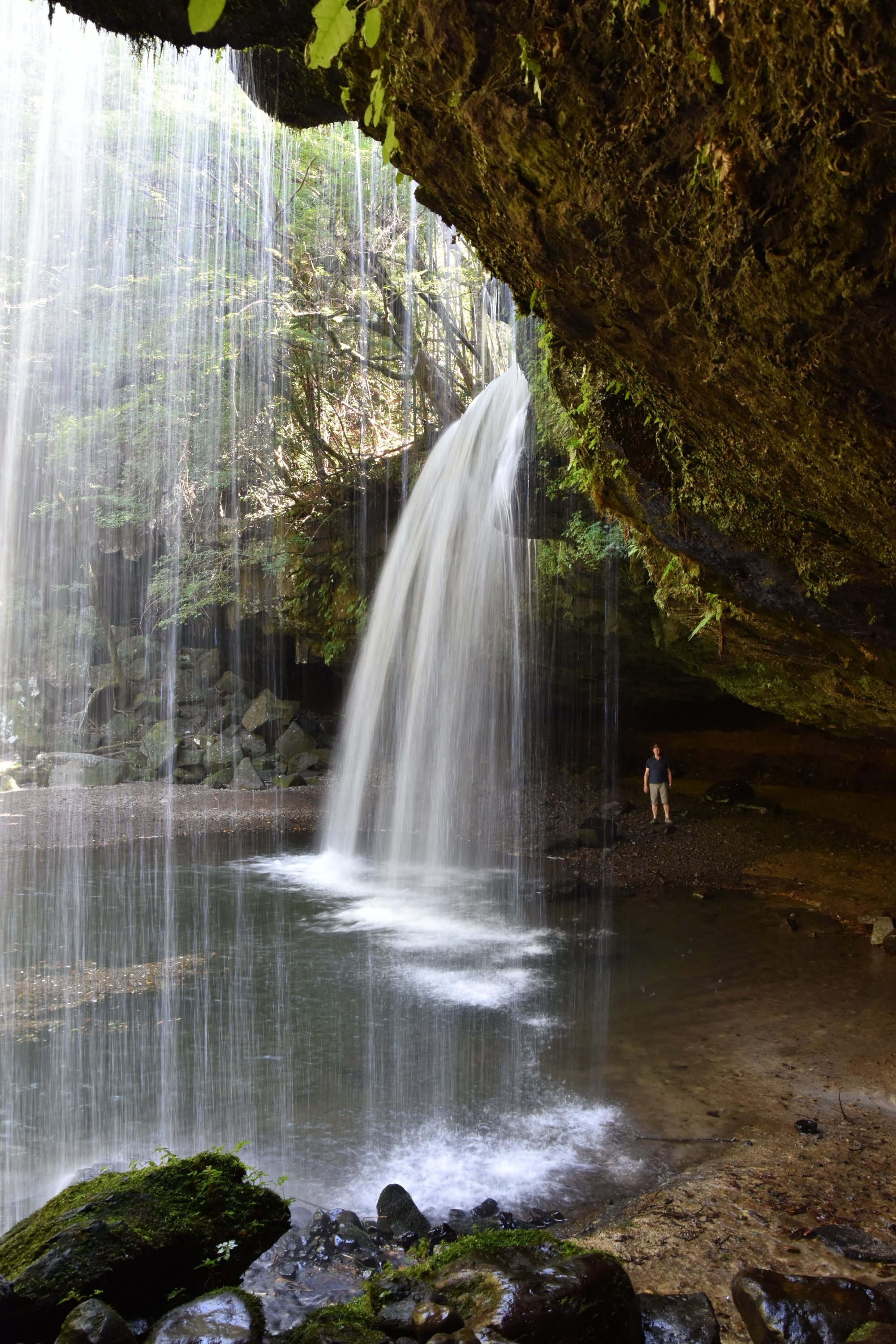
The Nabegataki waterfall is said to have been created by a huge eruption about 90,000 years ago. The waterfall is a short walk from the carpark down a wooden walkway with a path to the area behind the waterfall, which is surprisingly spacious and provides beautiful views through the cascade. A truly beautiful place to visit with the combination of the falls, the water spray glistening in the air, the tall trees with the sunlight filtering through the trees – top value at 200yen (£1.50)

Ikeyama Fountainhead
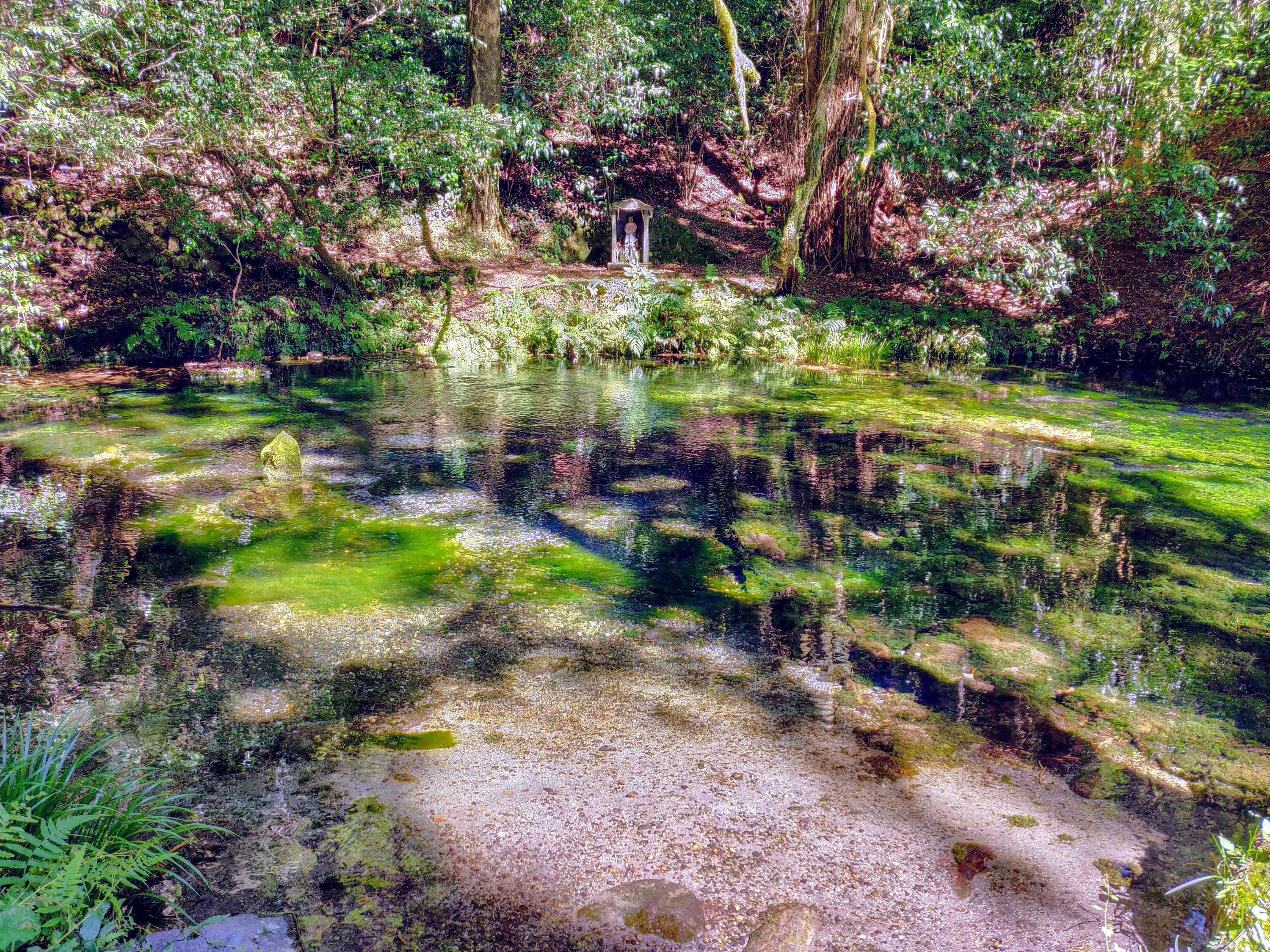
There is a bit of a theme developing on our sightseeing in this area! The Ikeyama Fountainhead is a source of spring water from rain fallen on
Kuju Volcanoes. The temperature of the water is 13.5°C throughout the
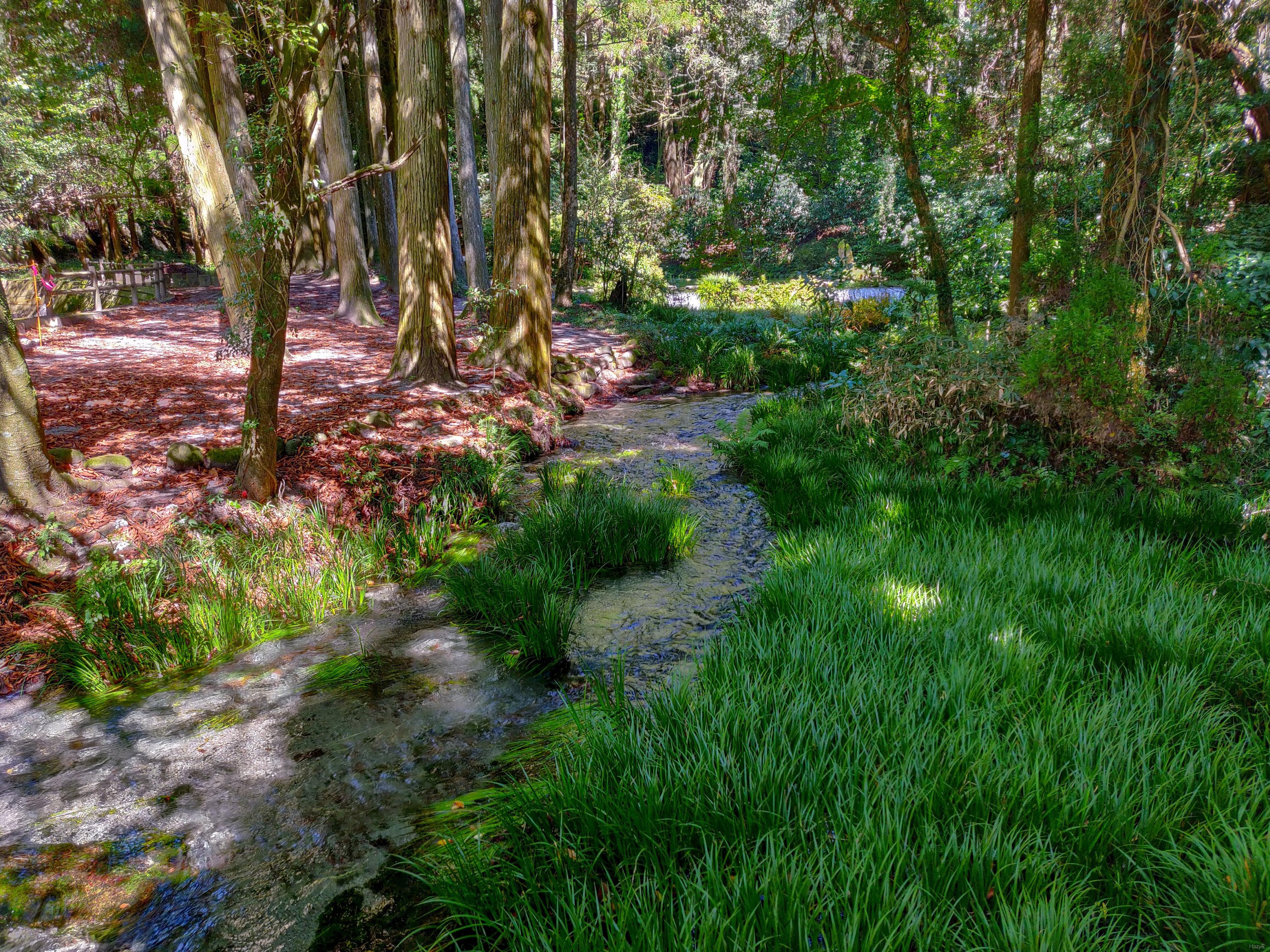
year and the amount gushing out is 30 tons per minute. It was accessed down a narrow lane that winds through the grassy highlands of the Ubuyama area north of Mt Aso. While Japanese silver grass covers most of the highland area this small pocket is ablaze with colorful maple trees. It’s a popular spot in any season for locals to come and fill up their water jugs.

Food and other stuff!

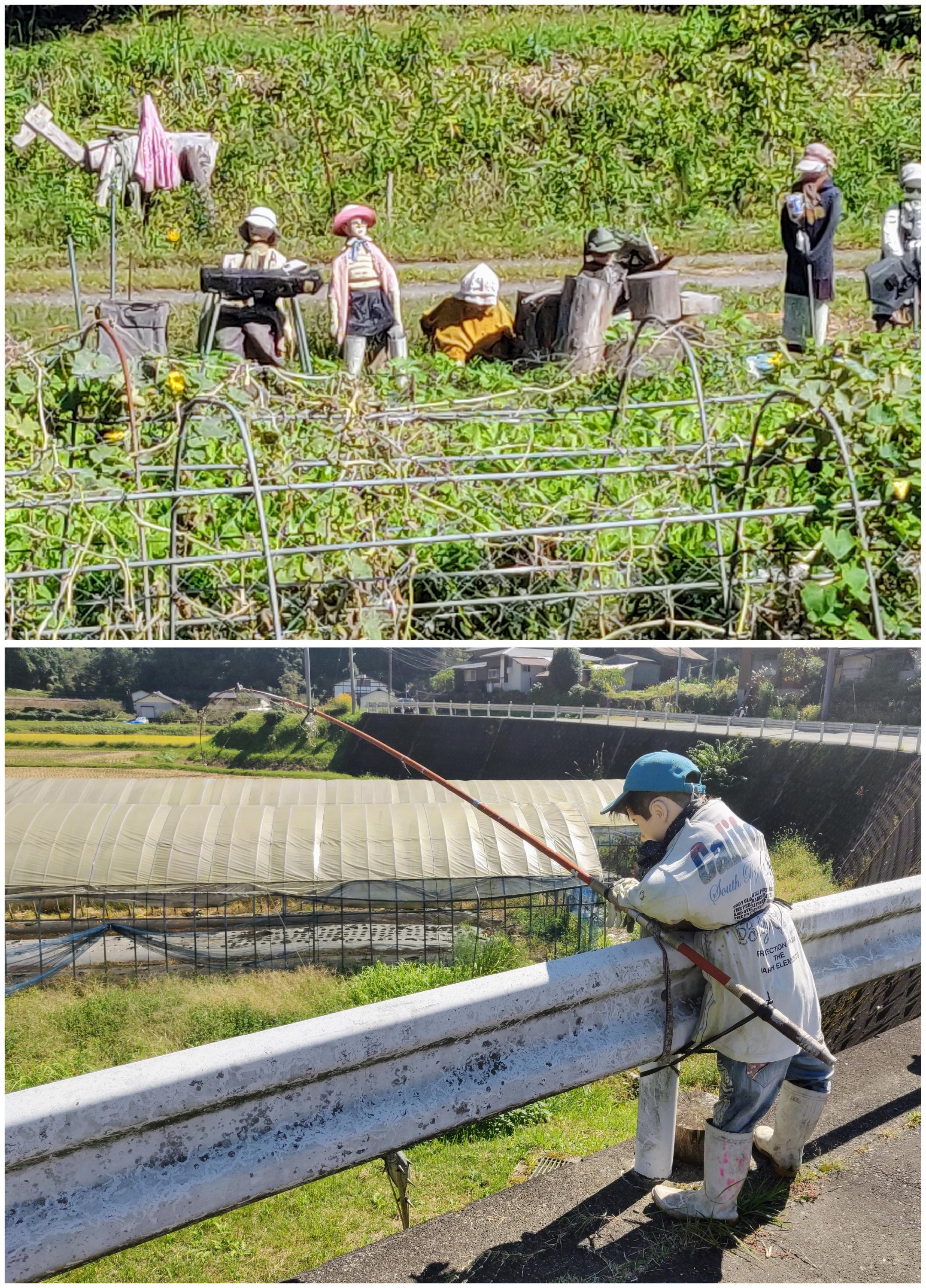
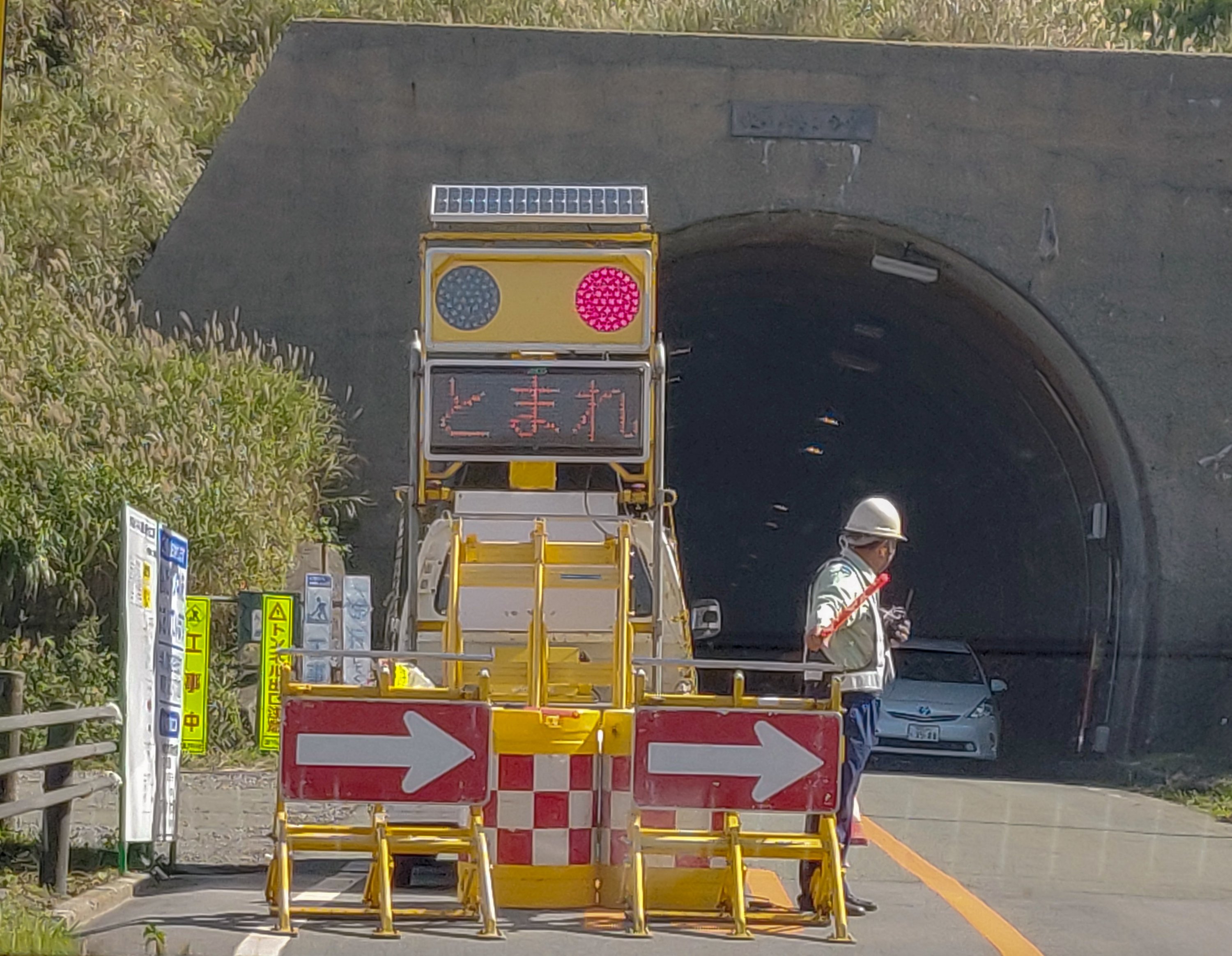
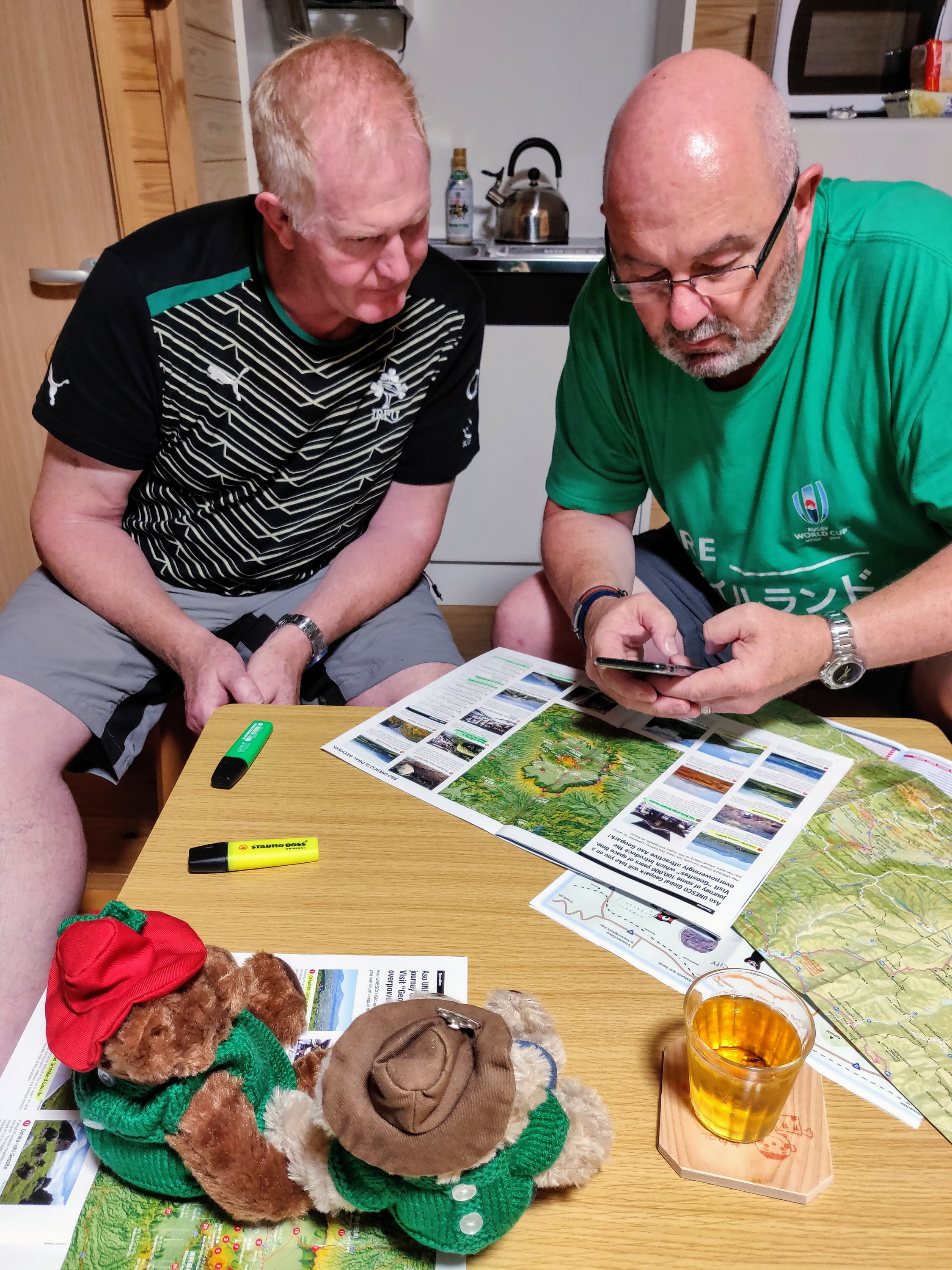
Our visit to the Mount Aso national park was short but very sweet. Rugby was calling and the final leg of our road trip to Fukuoka.
Until the next installment – take care, we are having a ball!!


👍👍 l had forgotten about your blog. Very helpful. Think I need to read it at least twice! Lots of helpful stuff in here. X
LikeLike
Absolutely fascinating, you are giving us a real treat H&P. I’m a little curious if you actually know what you have eaten throughout this trip… 😁 safe travels
LikeLiked by 1 person
We might not know what we have ordered but we have been fortunate with what we have received! Only once did we make a mistake – lifting chicken skin skewers inside of chicken meat ones!
LikeLike
Love all photos but especially the ones with the ‘sunlight dancing through the trees’ Beautiful image.
Hope you both took a good long soak in the waters promising longevity.
Brilliant commentary Hazel Looking forward to next instalment already!
Love and hugs to all.
LikeLiked by 1 person
Not sure about the food…
LikeLiked by 1 person
It is amazing……
LikeLike