

Many of my readers will be aware that if you invite us, we will come and that’s how we are on the South Coast of England this weekend. My best friends’ son is getting married and we have the privilege of being there. First, however, the chance to explore!
After a carlsburg journey from Liverpool our first stop on Friday was Brighton. Located 47 miles south of London, there has been a settlement here dating back to the Bronze Age. However, it was its popularity as a seaside resort in the Georgian era that put it firmly on the map.


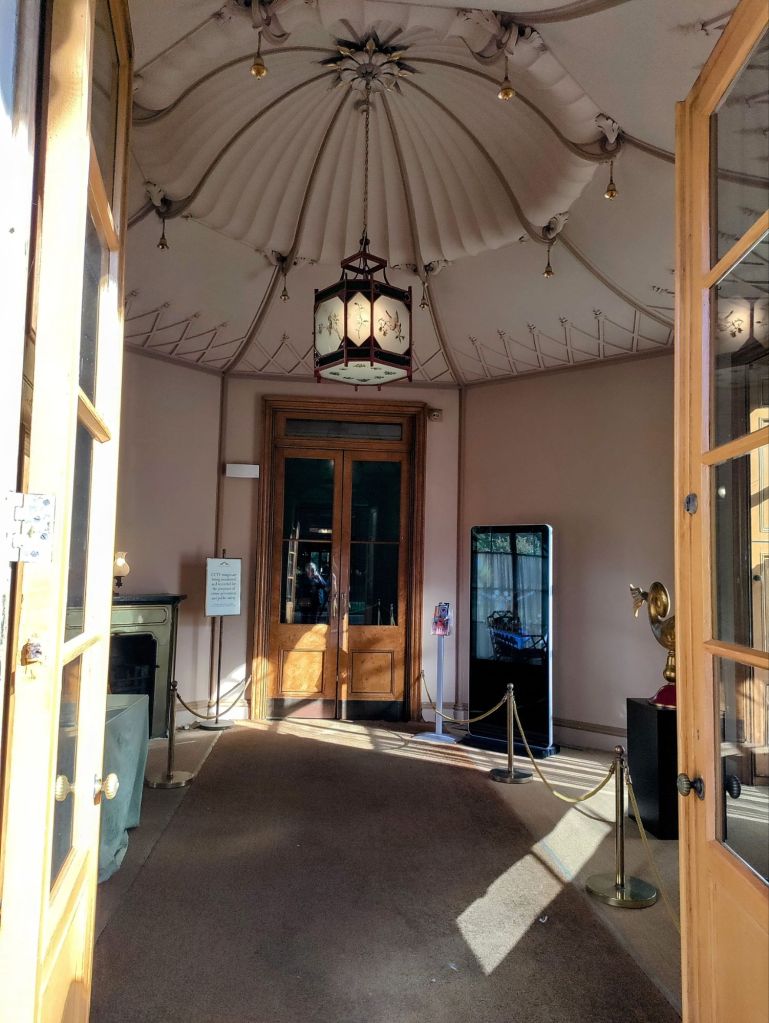
Now a Grade I listed building, construction began in 1787 and it was built in three stages in the Indo-Saracenic style prevalent in India for most of the 19th Century. Architect John Nash extended the building in 1815 adding its eye-catching domes and minarets. Queen Victoria decided that Osborne House should be the royal seaside retreat, and the Pavilion was sold to the city of Brighton in 1850.

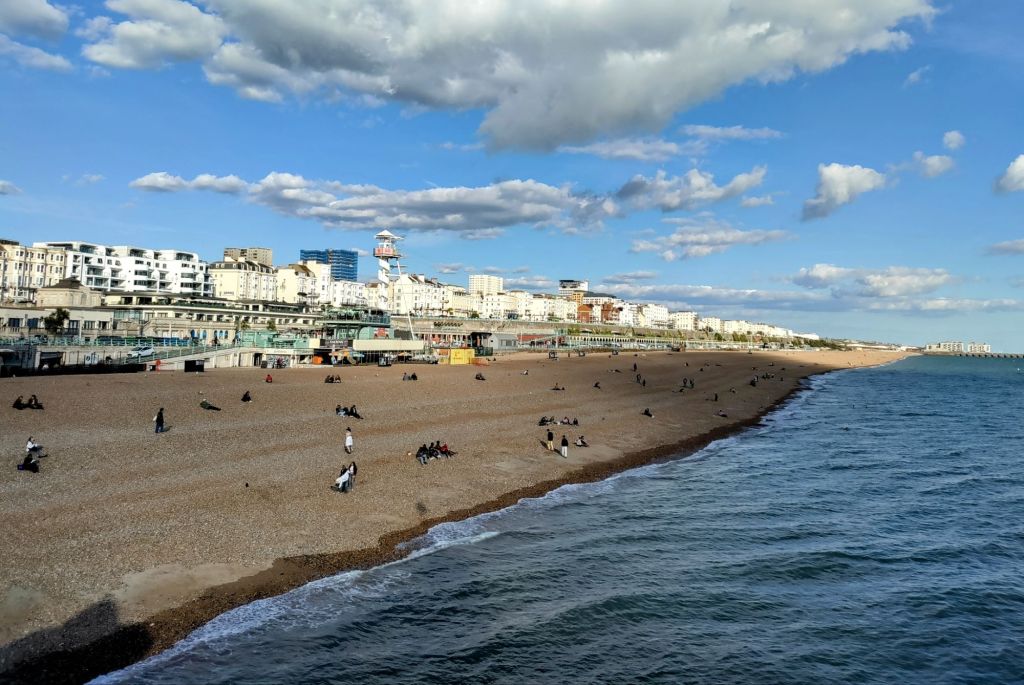
Another landmark in Brighton is the pier. There have been three piers in Brighton – The Chain Pier, which was originally a landing Pier for boats from Dieppe, the west pier and the Palace Pier which we are all familiar with today.


By 1911 the reading rooms had been converted into a theatre. Laurel and Hardy and Dick Emery are a few names who have honed their craft here!
There is a staggering charge of £1 for tourists to visit the pier during the summer months! Free to local residents though.


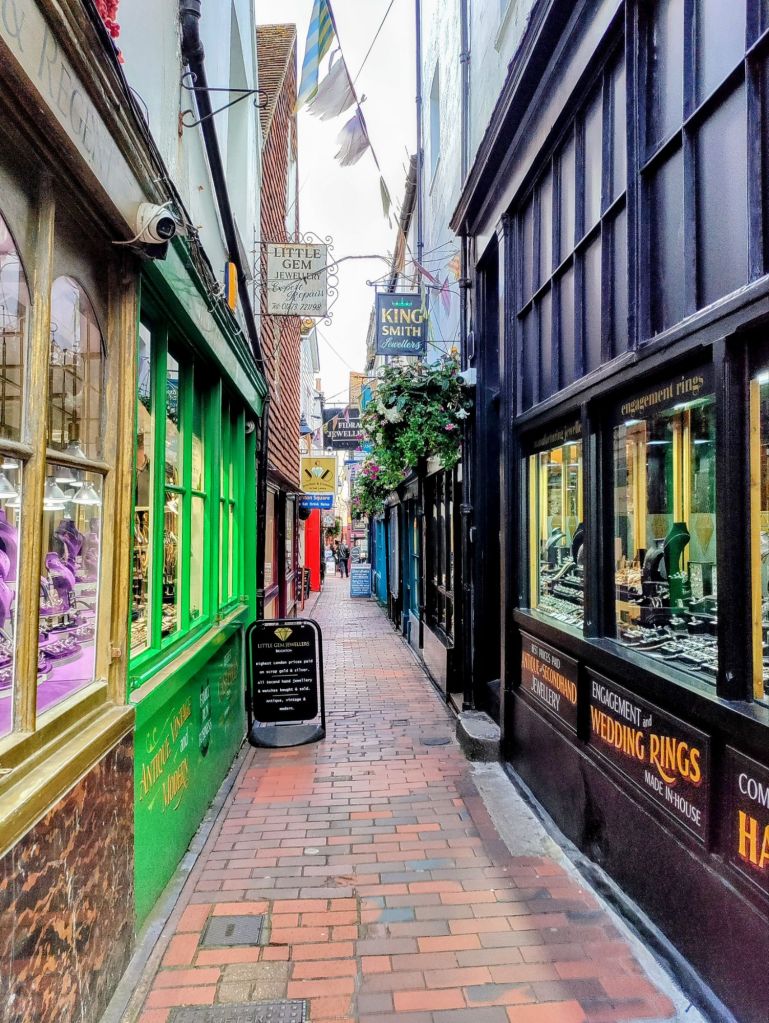
Brighton is also famous for “The Lanes”. A collection of narrow streets that house mainly jewelry shops and some bars and restaurants.
There are, of course, many of the well known High Street brands also in the town.
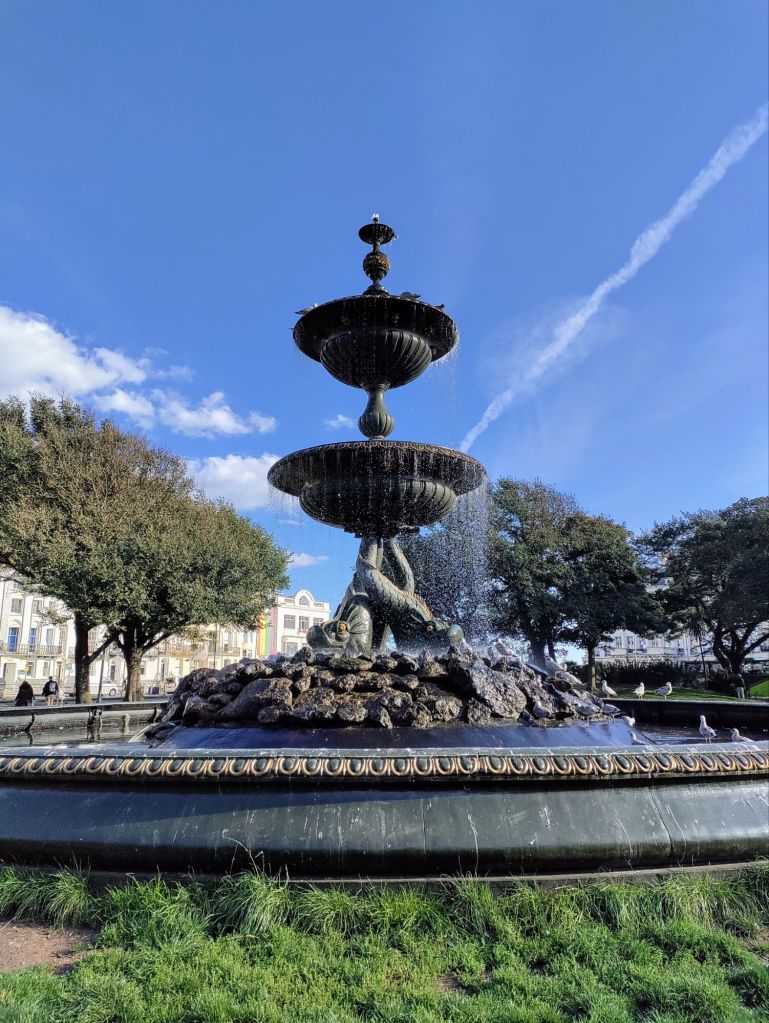
Then it was off to Eastbourne where we checked into the West Rocks Townhouse. Our room, on the 4th floor, is accessed by a very quaint Victorian lift and has a side view of the seafront. It’s clean and comfortable and the staff are amazing.

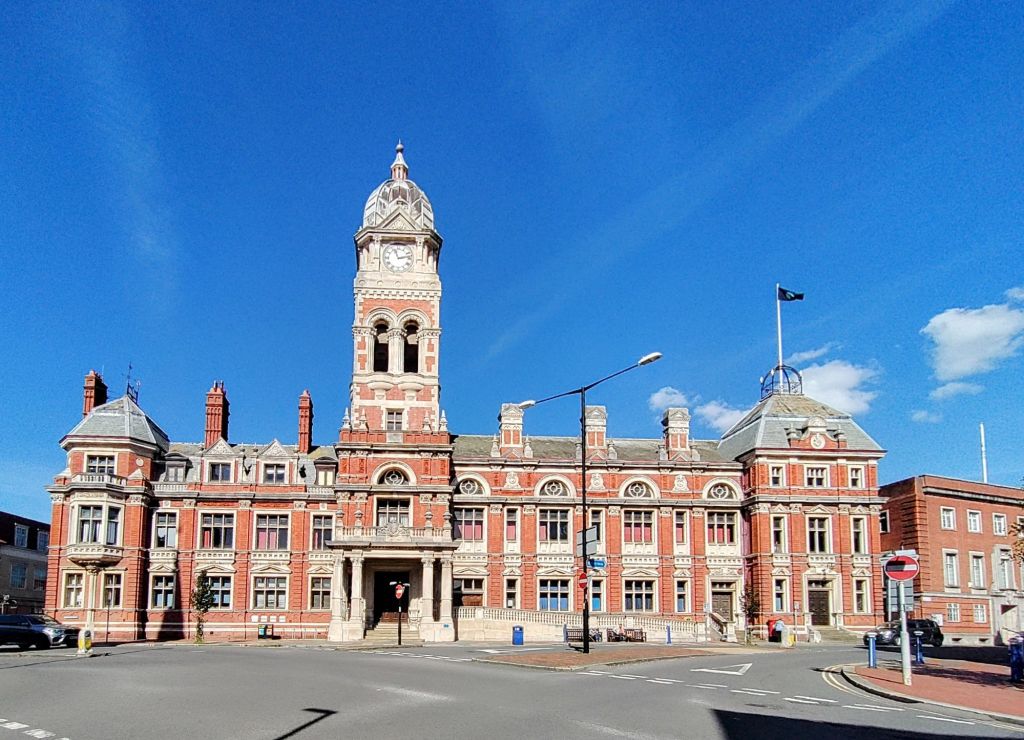
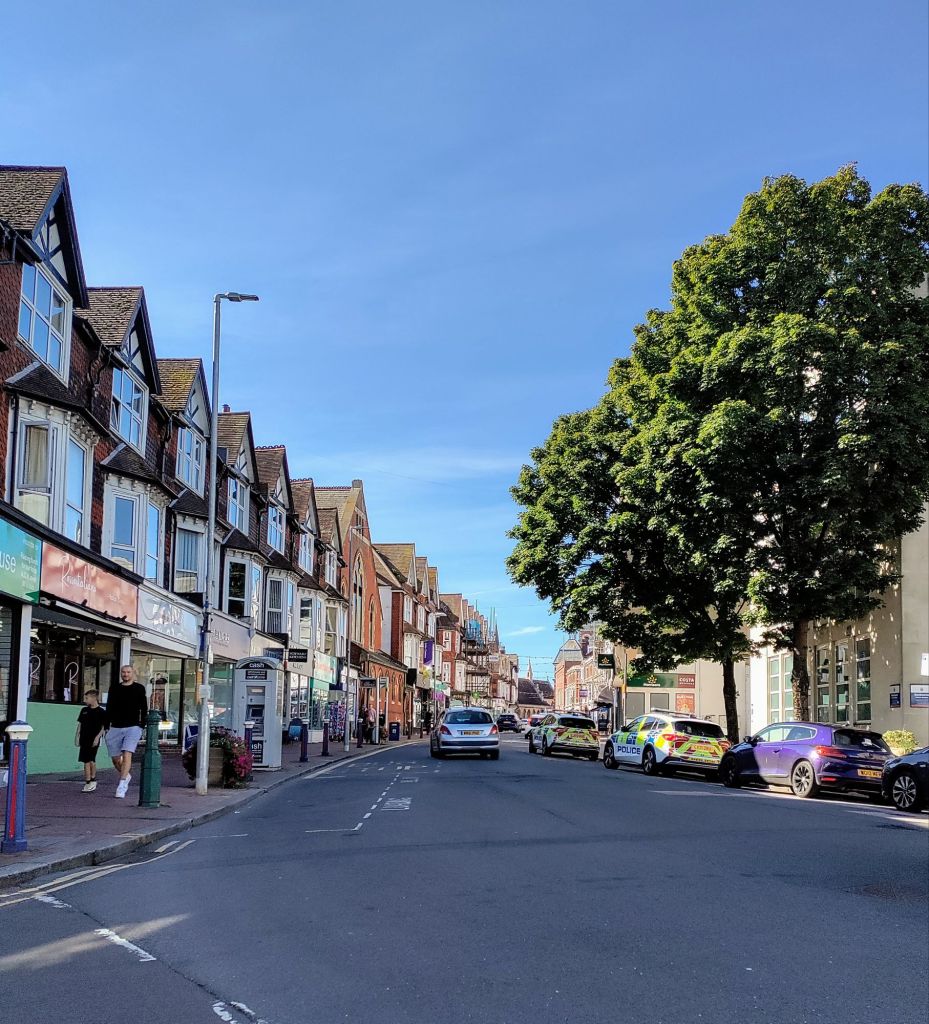
William Cavendish, the Duke of Devonshire, is responsible for the growth of Eastbourne as a seaside resort having appointed Henry Currey as architect to design the street plan. There are countless street names and parks after the Cavendish family.
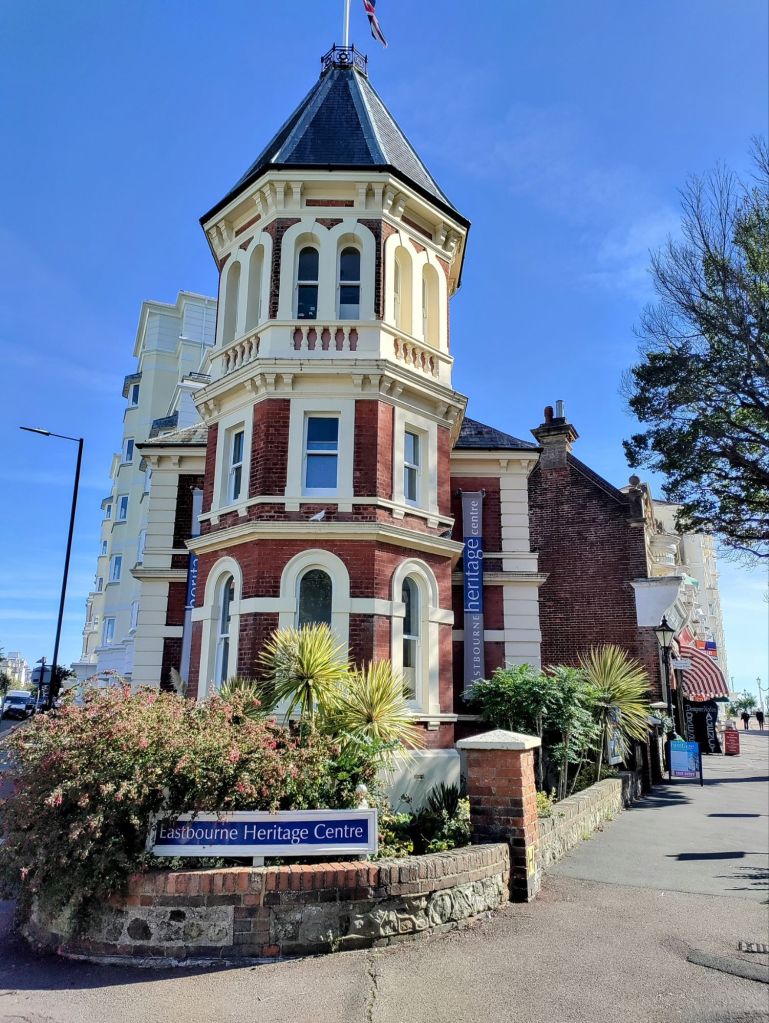
Eastbourne Heritage Centre, originally known as Park Cottage, was built in 1880 as the residence for the manager of the Devonshire Park and Baths Company. This charming Grade II listed building was saved from demolition, restored and converted to become the heritage centre.
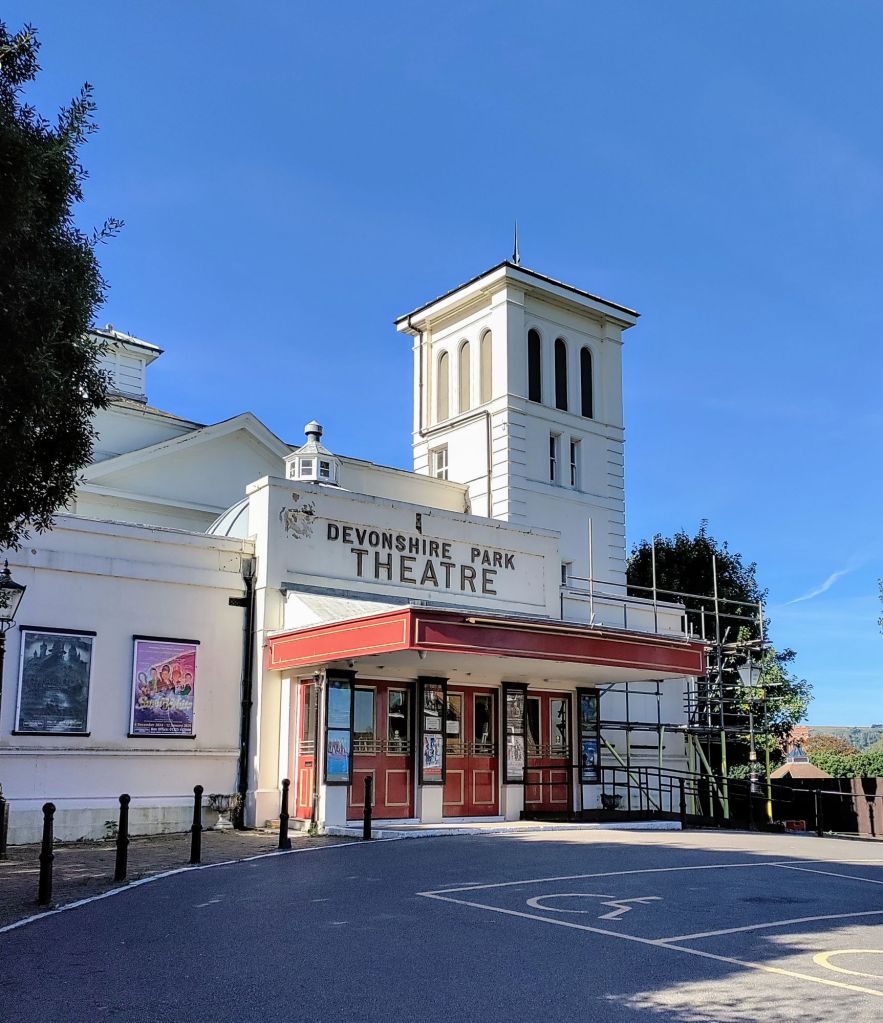
The Victorian Devonshire Park Theatre is a Victorian was designed by Henry Currey and was built in 1884. The theatre has a seating capacity of 936.

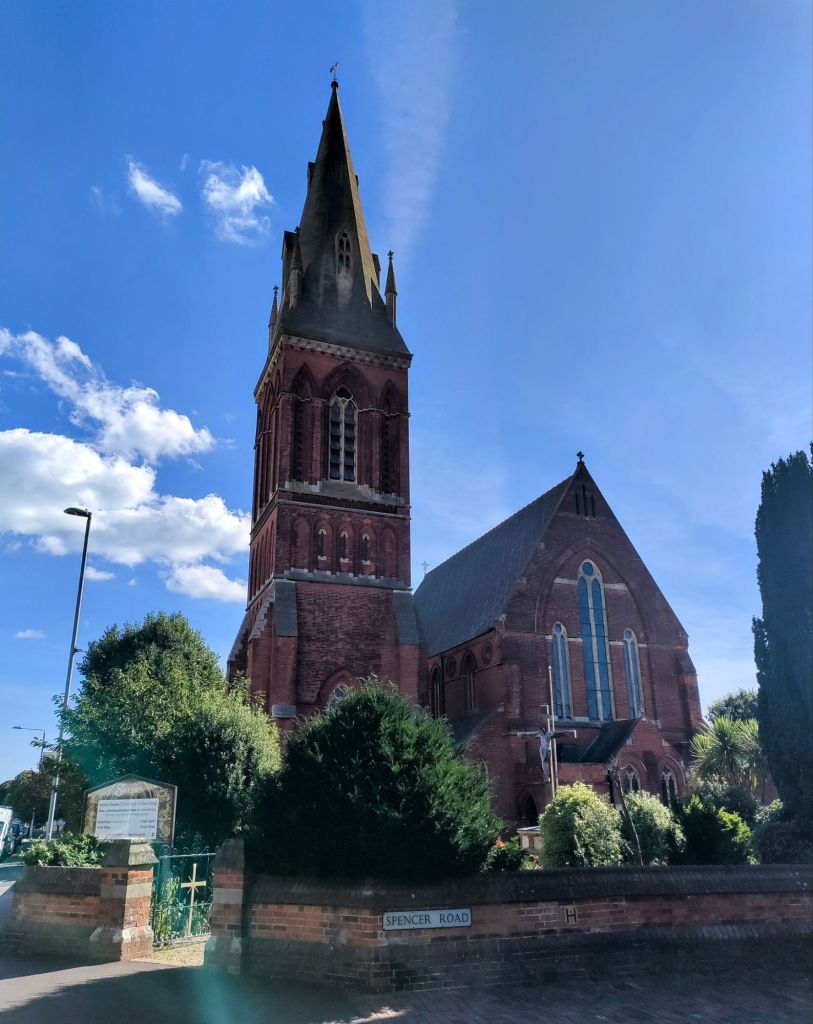

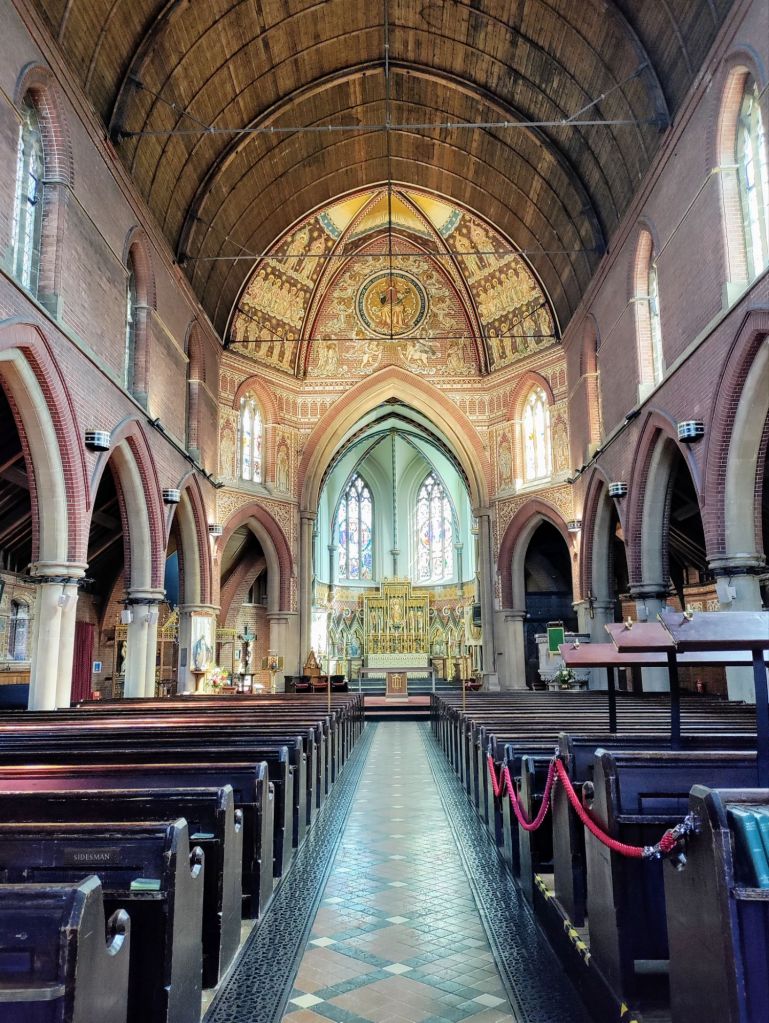

St Saviours has a three manual Walker organ which is used by visiting organists for recitals and concerts. Below the organ is the Font, an original G E Street design in mexican onyx, lined with lead and a heavy wooden gothic lid which is lifted by chains.
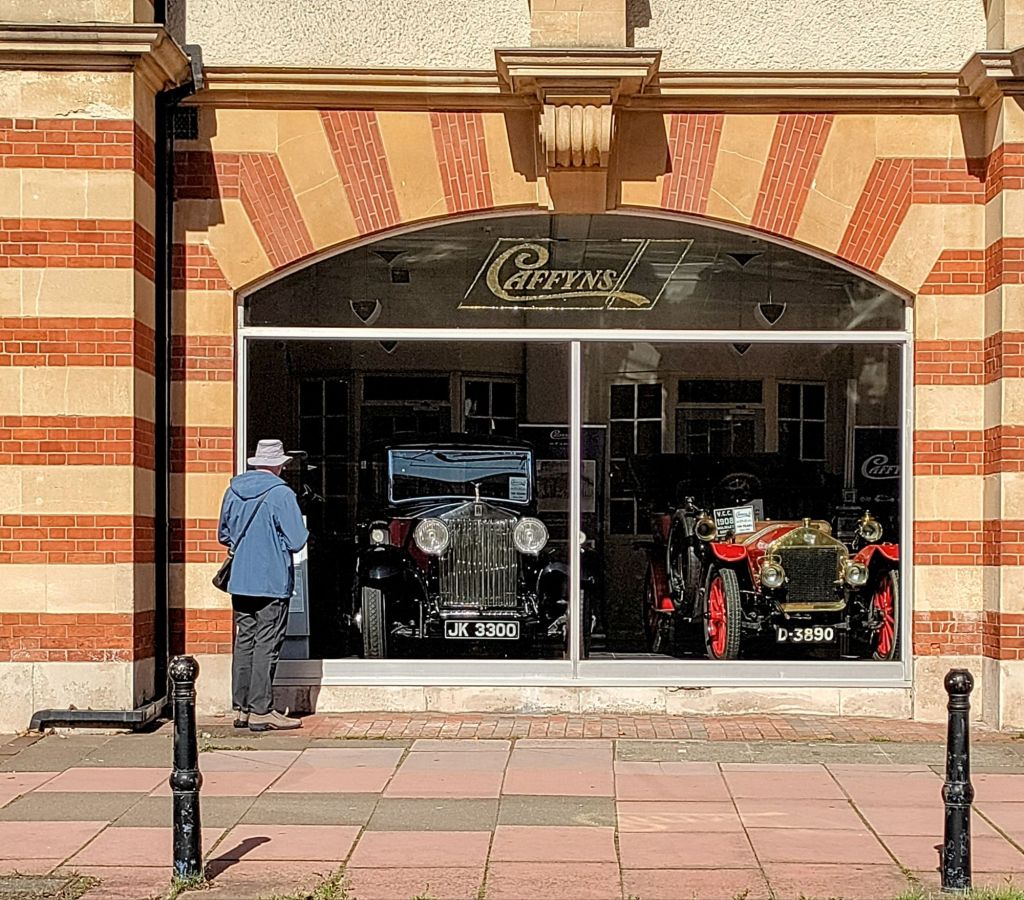
Rolls Royce started making cars in 1904, a year after Caffyns started selling cars.
Caffyns built the car to the left in this picture in 1933 and it spent its early life in Eastbourne and London. It was later purchased by an American who kept the car in London and used it as his ‘Opera Car’. It was later shipped to America and changed hands several times.
The car returned to England in 1989 and was subsequently purchased by Caffyns. Unfortunately, it was minus its wine glasses and decanter but after some research they were found to still be with a previous owner and, in 1977, were returned to the car. This showroom contains a wonderful collection of vintage motors.

The single-track branch line to Eastbourne from Polegate on the Brighton to Hastings line was opened by the London Brighton and South Coast Railway on 14 May 1849. As the town became an ever more popular seaside resort two further stations followed: the first in 1866 and the present station, designed by F.D. Brick, in 1886.


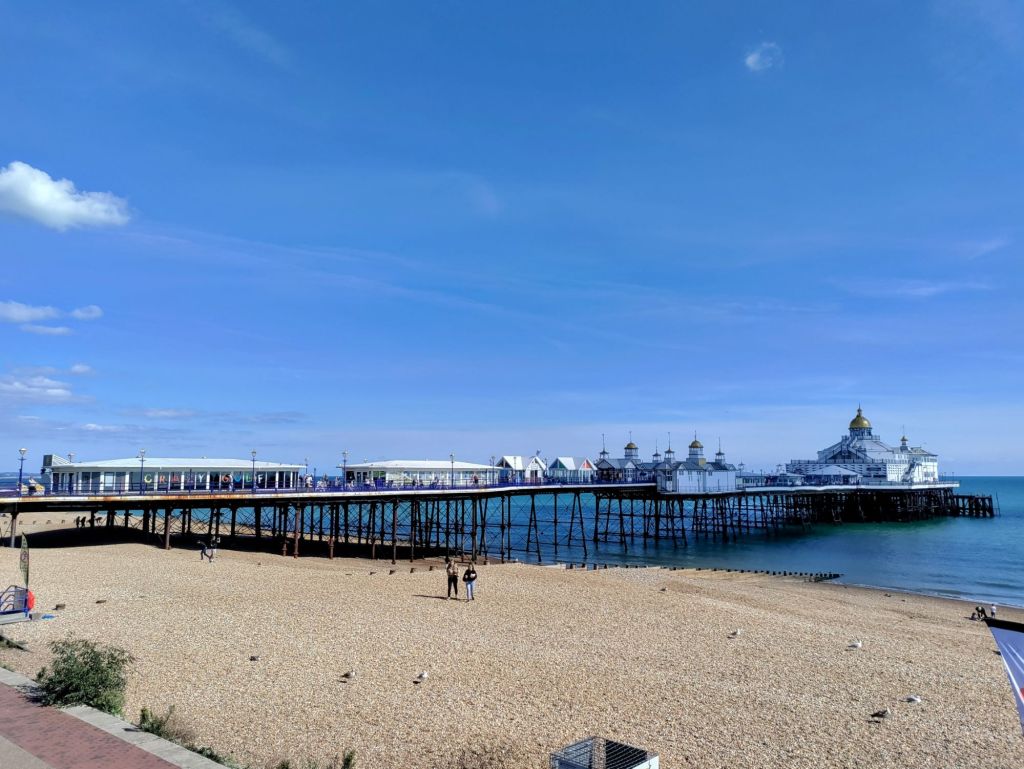
Work began on the pier in April 1866 and , although unfinished, it was opened by Lord Edward Cavendish on 13 June 1870. On New Year’s Day 1877 the landward half was swept away in a storm. It was rebuilt at a higher level, creating a drop towards the end of the pier. The pier is effectively built on stilts that rest in cups on the sea-bed allowing the whole structure to move during rough weather.
During World War II part of the decking was removed and machine guns were installed in the theatre providing a useful point from which to repel any attempted enemy landings and a Bofors anti-aircraft gun was sited midway along the length of the pier.

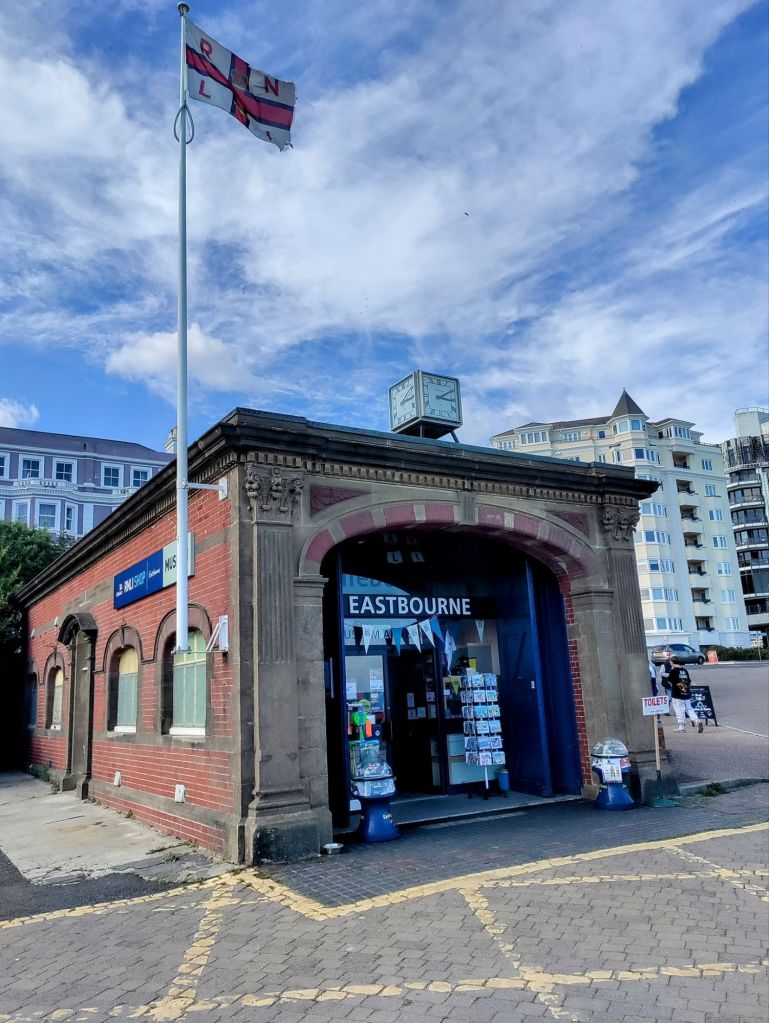
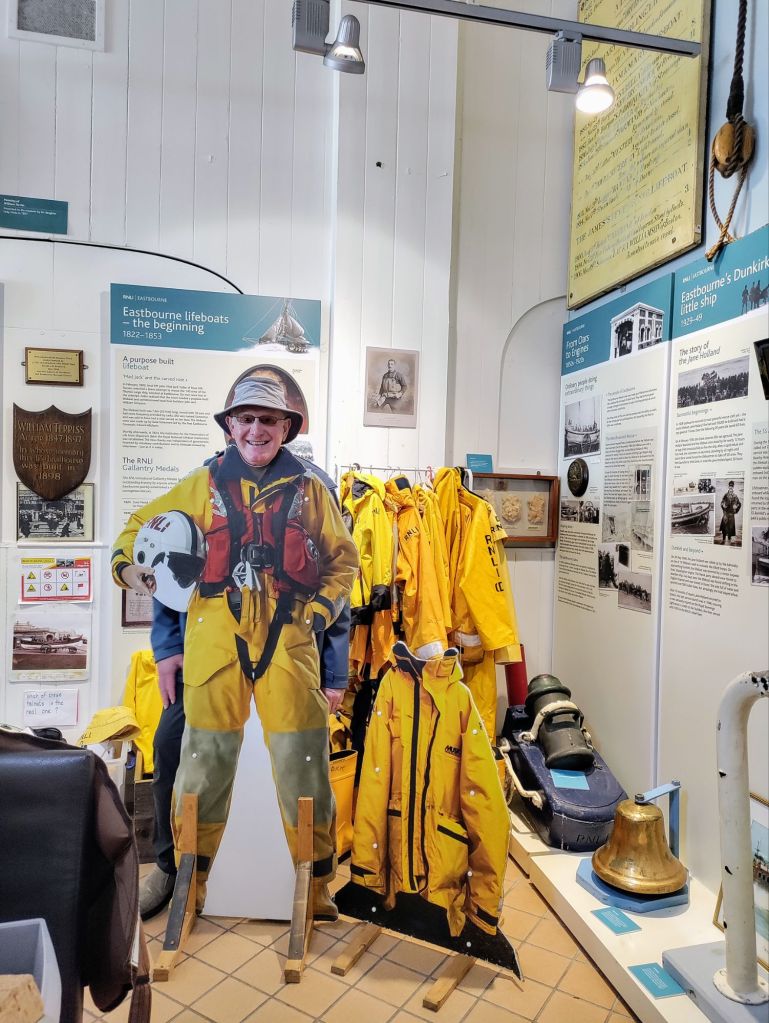
Further up the esplanade from the bandstand is Eastbourne’s old lifeboat station. There has been a lifeboat in Eastbourne since 1822, two years before the Royal National Lifeboat Institution (RNLI) was founded, but it was not until February 1833 that her first service launch took place, saving 29 people. The old station, now a shop, cafe and museum, was built in 1867 and remained in use until 1902.
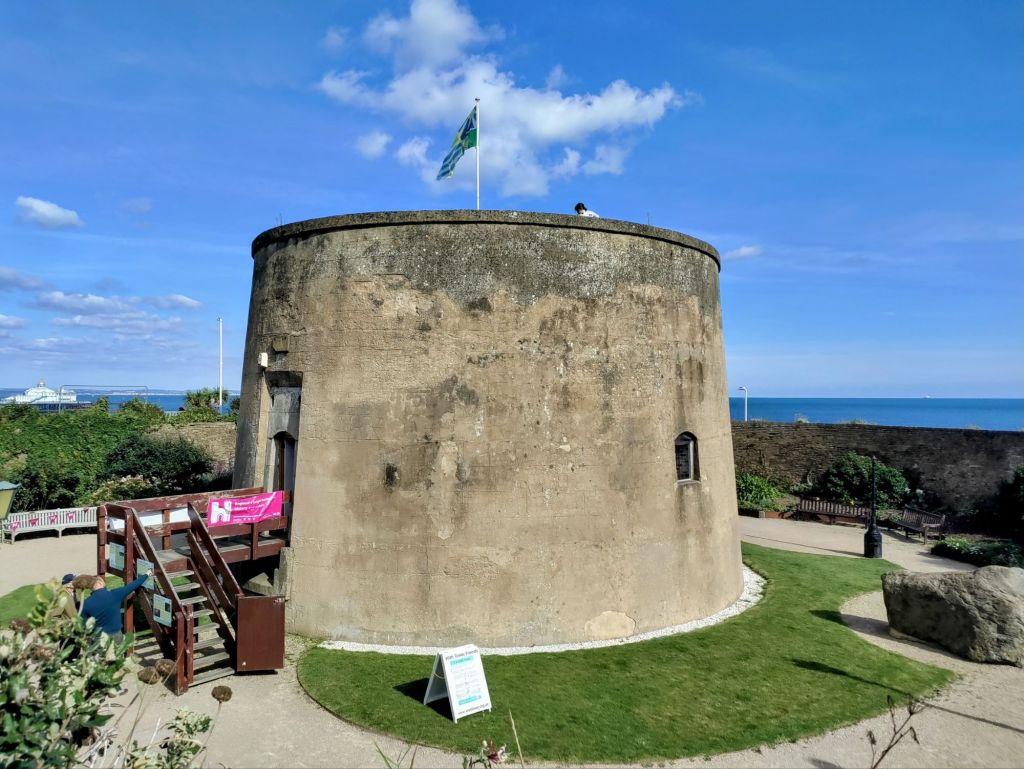
Martello Tower 73 – known locally as ‘The Wish Tower’ – is a Napoleonic era Martello tower. The towers were designed to garrison up to 24 men each, housed in the middle floor.
By the time construction had finished on the Wish Tower, the threat of invasion had largely passed and so they were never used against Napoleon’s army.
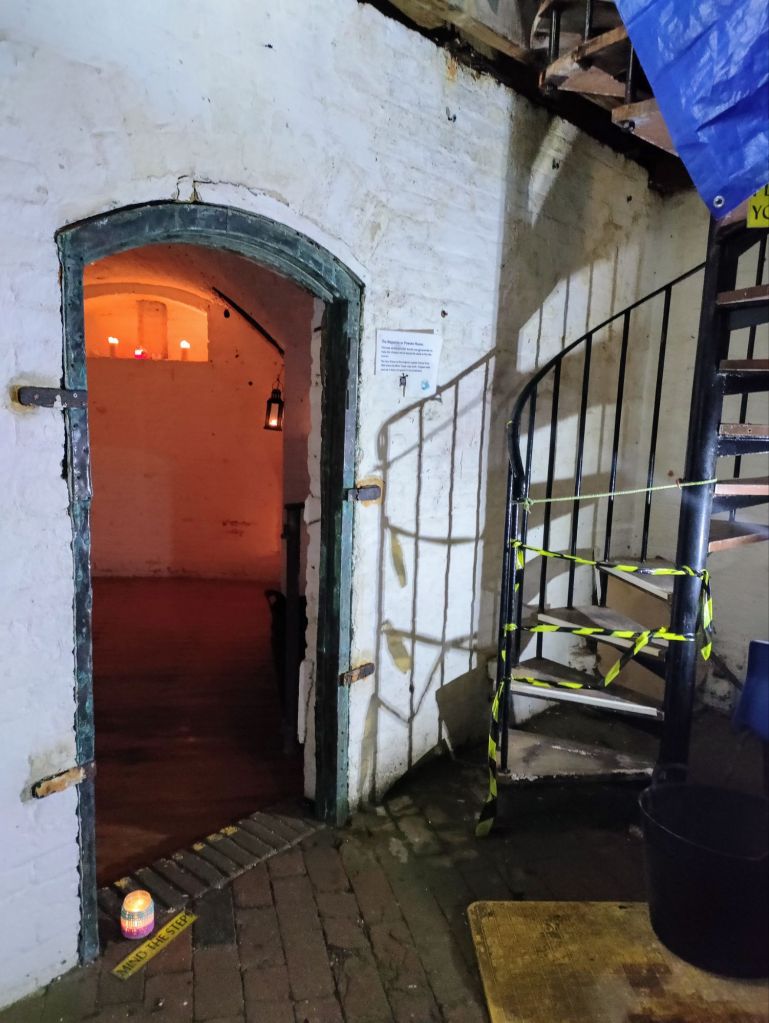
Each of the south coast towers featured broadly the same design with brick walls up to 3m thick. The lower floor would be used for supplies and powder, the first floor the living quarters, and then an internal staircase in the thickest part of the wall (always seaward, to add extra protection from incoming shots from ships) up to the gun platform. This had a 24-pounder gun that could rotate around on the platform. Underneath the lower floor in some towers was a food store and water tank. The circular support column added additional structural integrity.


The ‘AA’ sentry box would have been a welcome sight for their patrolmen, offering shelter from bad weather while on the lookout for troubled motorists. First introduced in 1912, by the Second World War there were more than 600 boxes. But as technology developed and telephones became smaller, sentry boxes were replaced by pedestals with slim telephones. Yet with increasing mobile phone ownership even the pedestal phones became redundant, and now only 19 sentry boxes survive.
Well, I hope you have enjoyed this short journey around Brighton and Eastbourne. Time to move on now to our next adventure. Thanks for reading.
 H&P Adventures