

Bridgewater Canal was commissioned by Francis Egerton, 3rd Duke of Bridgewater, to transport coal from his mines in Worsley and one of the first canals to be built. The section from Worsley to Manchester opened on 17th July 1761.

The basin below is known as the Delph, meaning “delved place” or “dug place”. It was originally a sandstone quarry prior to becoming the start of a 46 mile underground canal system for coal. The canals are on four different levels, connected by a water powered inclined plane and lifts. Sandstone quarried from here, known as Worsley Delph sandstone was used in the building of the canal and original Barton Aqueduct.
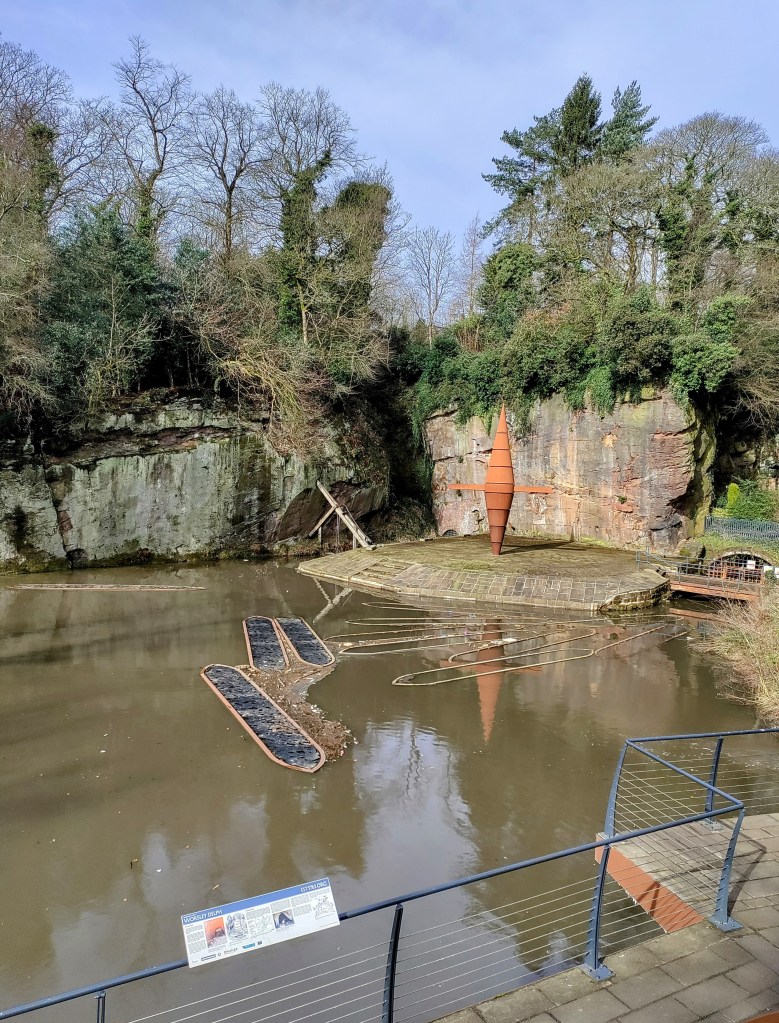

In front of the tunnel entrance are outlines of the mining boats which would have gone in and out, first empty and then full of the coal they collected. These were only four and a half feet wide and were given the nickname of “starvationers” because of the protruding rib sides.

Today the Delph area has been developed to reflect the industrial past of the area. A new multi-level viewing platform enhances public access and offers improved views across the Delph. Striking and distinctive interpretation features help to ensure that the Delph’s rich history and its role in the Industrial Revolution are fully revealed to local residents and visitors.
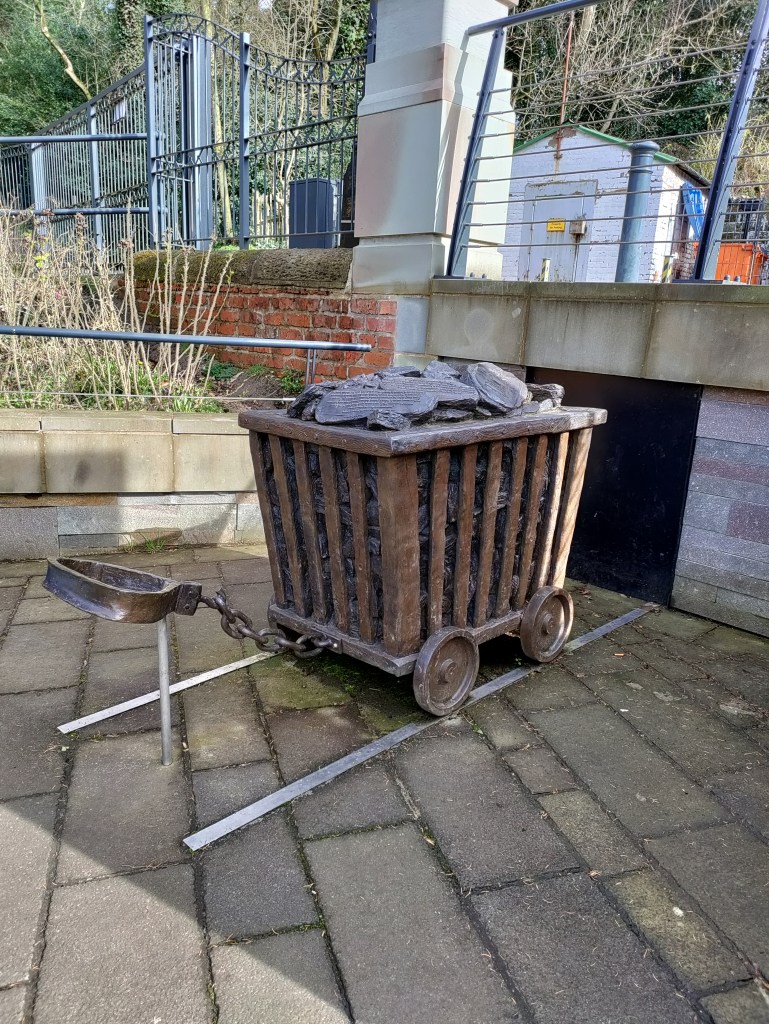


The canal around Worsley was noted for the distinctive bright orange colouring of the water. This was a result of iron oxide from the mines tainting the water as the canal passes through Worsley. A £2.5 million remedial scheme was undertaken in 2013 to remove this colouration. It works until boats passing by churn up the water!
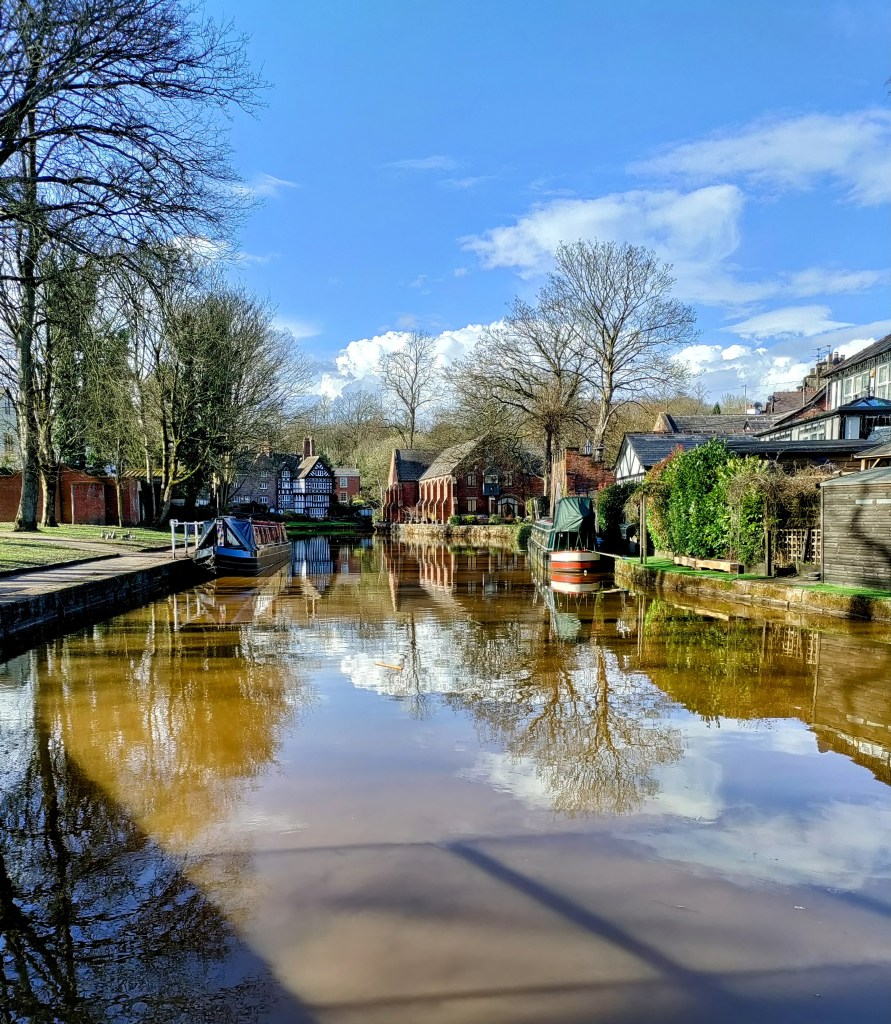
Now a Grade II listed building, the boat house was used by the 1st Earl of Ellesmere to house the boat in which Queen Victoria travelled on for her visit to Worsley New Hall


The courthouse was sold to Worsley District Council in 1966 and was extended the following year. In 1974 ownership passed to Salford Council. Today it is a wedding/party venue.
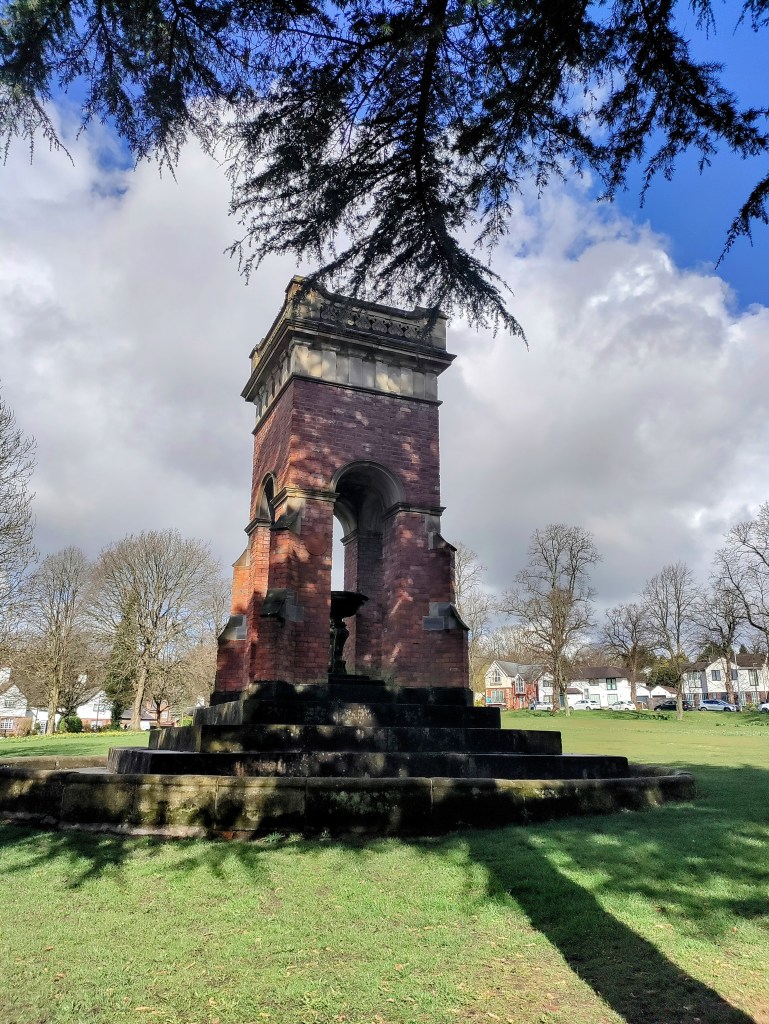
Worsley Green Monument
Situated on the green is Worsley Green Monument, a fountain erected in 1905 by the 3rd Earl of Ellesmere in memory of the 3rd Duke of Bridgewater. It stands on the site of a former factory of the Duke which stood on the site of the green and re-uses bricks from the chimney.
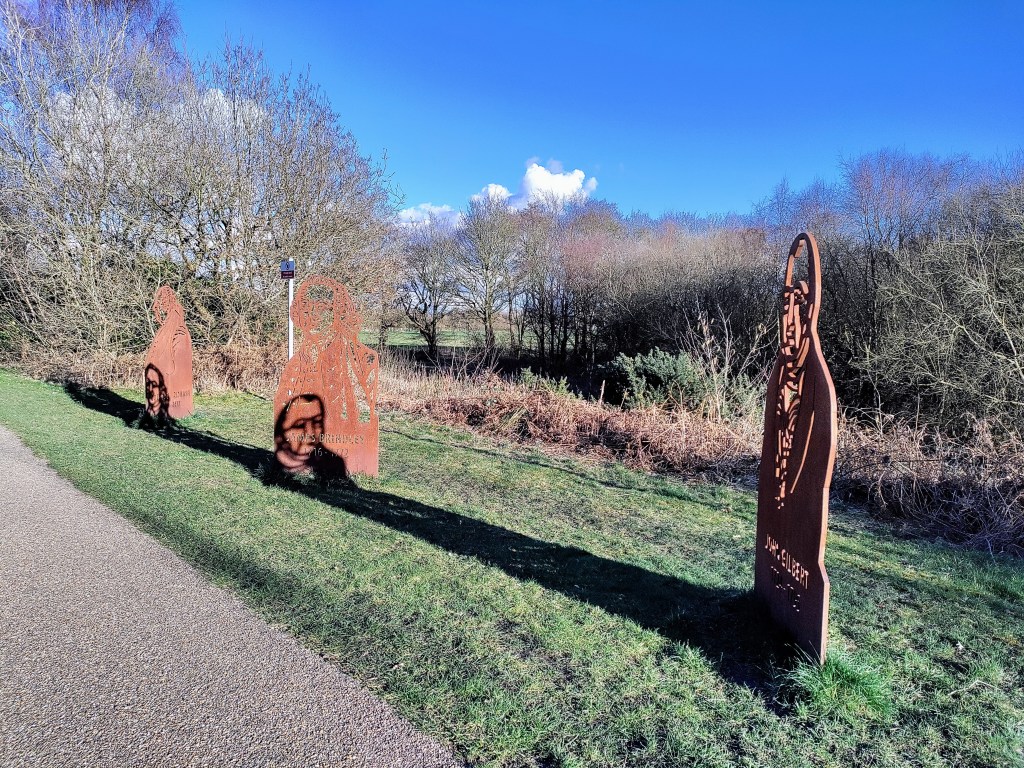
Dotted along the canal is artwork created from water-jet cut 20 mm thick Cor-Ten Steel. Also known as ‘Weathering Steel’ this metal is designed to have a long lasting rusty patina, which relates to the colour of the canal due to oxide residues.


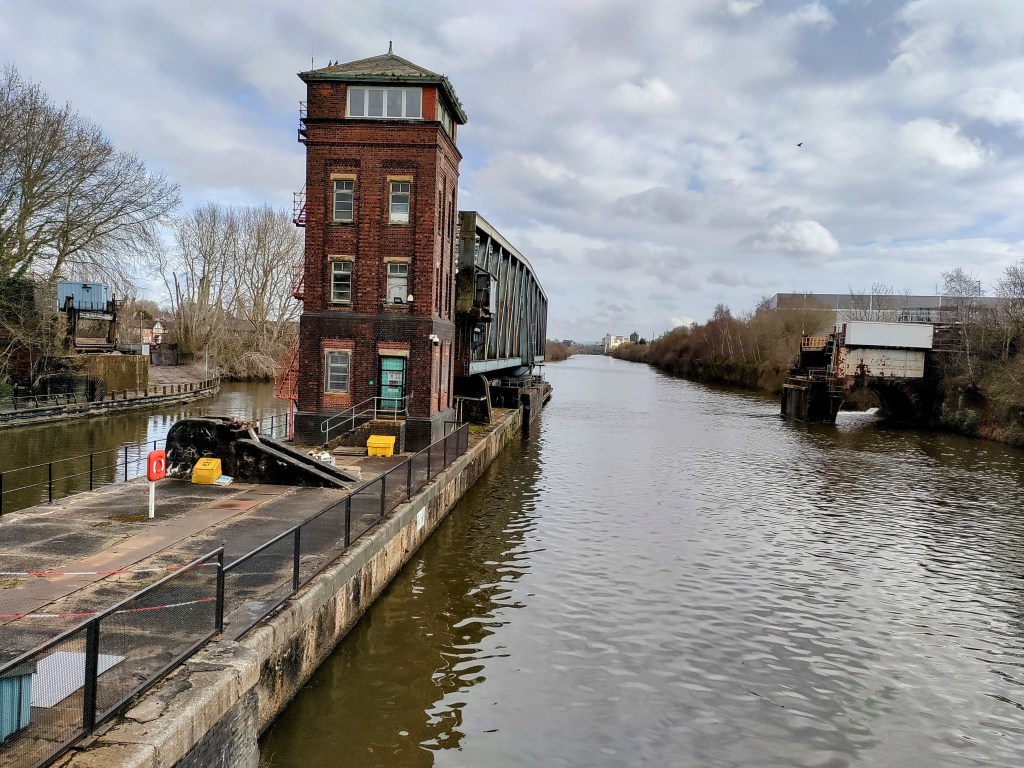
We are delighted to say that the Barton Swing Aqueduct has reopened and we can move on back towards Anderton.

With the development of the Manchester Ship Canal it was necessary to replace the brick built aqueduct with a moveable structure. Opened in 1893 it consists of a channel that can be sealed off at each end to form a 235 feet long and 18 feet wide tank, holding 800 tons of water. It swings round on its pivot, situated on an island in the middle of the Ship Canal.
I hope you have enjoyed this blog. Thanks to guide boards and the following web pages for info…. Pennine Waterways; Wikipedia; Historic buildings; Scartworks;
 H&P Adventures