

You will know that we are not, in any shape or form, gardeners! The most we have are a few pots at home but we did enjoy our guided tour of RHS Bridgewater walled Garden
The RHS Garden Bridgewater is the result of a multi-million pound transformation of the historic 154 acre Worsley New Hall estate site and is now home to 11 stunning garden spaces, including the largest Victorian walled garden in England. The first new RHS garden in over 100 years apparently.
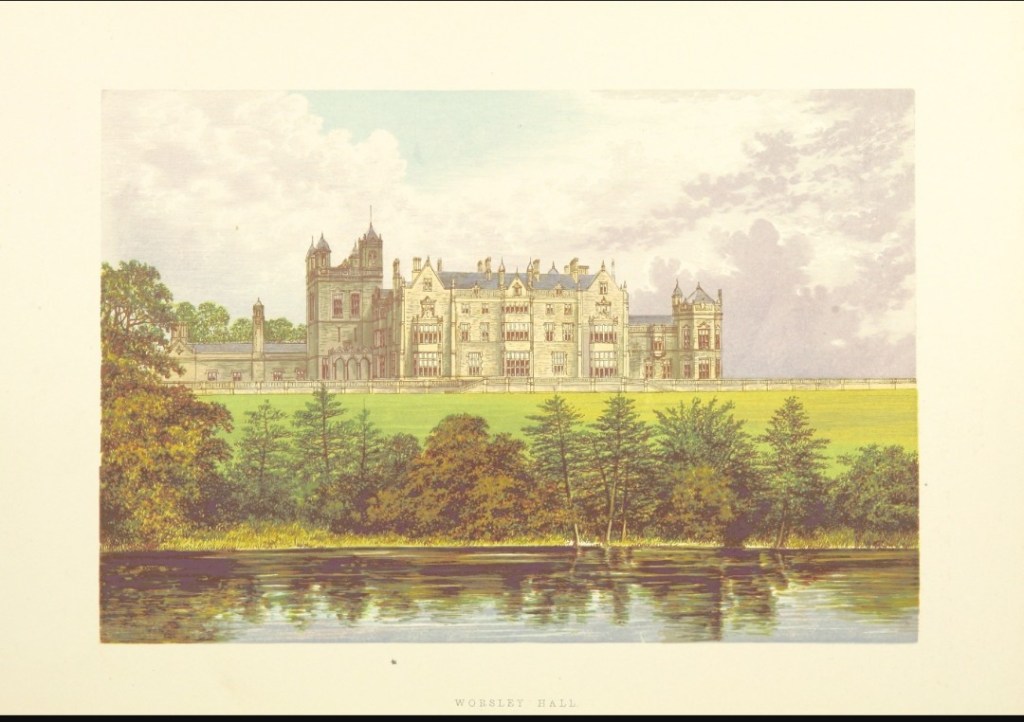
from Wikipedia
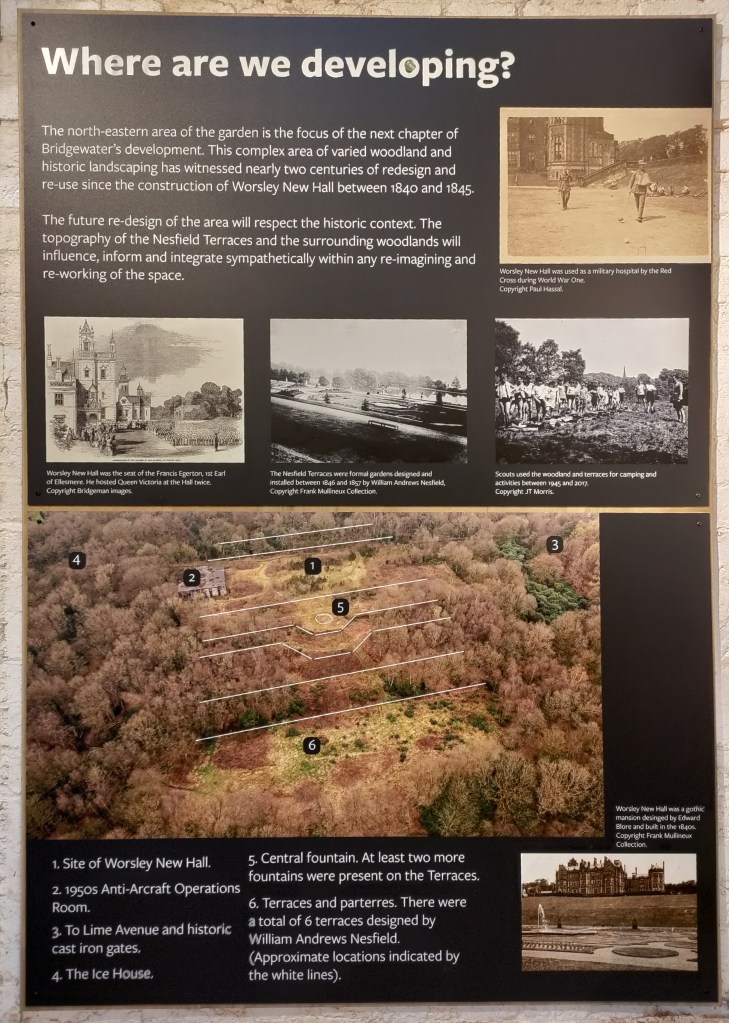
Worsley New Hall was competed in 1846 and remained a significant family home until the outbreak of World War 1, when it was loaned to the British Red Cross for use as a military hospital for officers. When peace was declared the Ellesmere family elected to stay in London and sold the house and land in 1923 to Bridgewater Estates Limited for the princely sum of £3.3 million, equivalent to £200 million today.

In 1948, two local brothers purchased Garden Cottage and the Walled Garden from Bridgewater Estates Limited. It was sold 10 yrs later to their cousin who rebuilt several greenhouses and began producing flowers, fruit and vegetables. Later known as Worsley Hall Nurseries, many local people used the thriving garden centre and café until it closed in 2013.
Peel L&P purchased Bridgewater Estates Limited in 1973. In 2017, in partnership with Salford City Council, they enabled the work on RHS Garden Bridgewater to begin. A significant legacy project that secured the future of the Duke of Bridgewater’s historic estate.
Renowned landscape architect Tom Stuart-Smith created the masterplan for the garden which respects the heritage of the old site, and incorporates contemporary designs that reference different cultures, eras and gardening styles overlaying the footprint of the old garden.

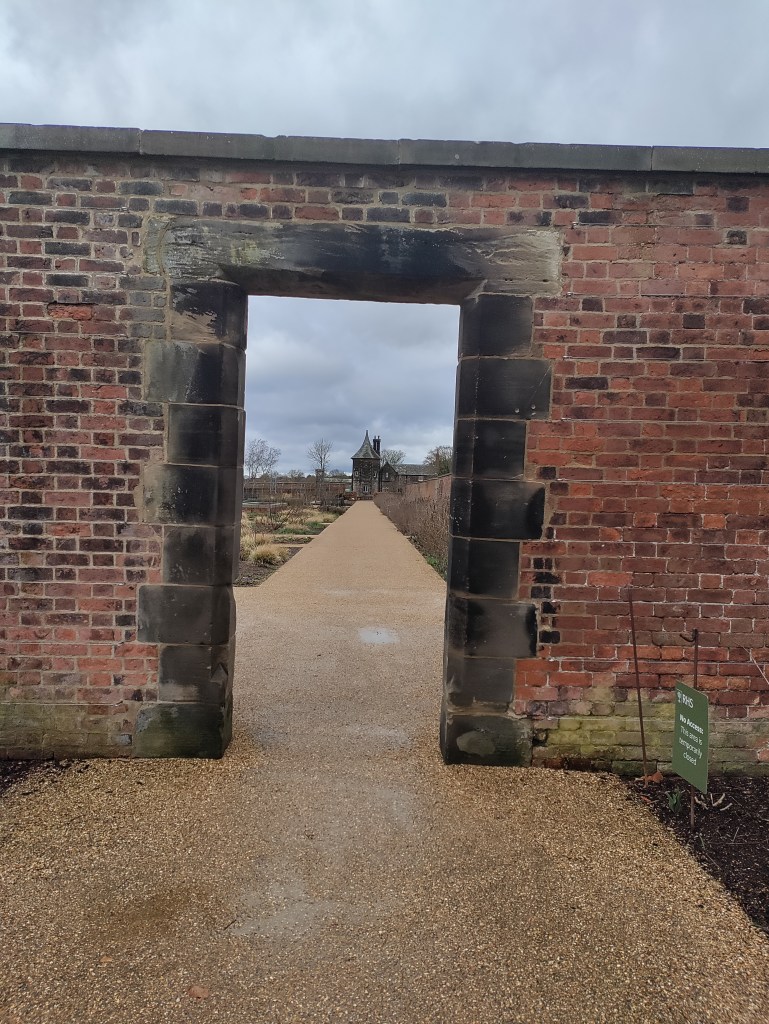
The Weston Walled Garden is divided by a central wall into two halves – the Paradise Garden to the right hand side above and the Kitchen Garden – with 3km of pathways to explore. A series of connecting gardens wrap around the perimeter, and are enclosed by a lower-level outer wall.
Paradise Garden
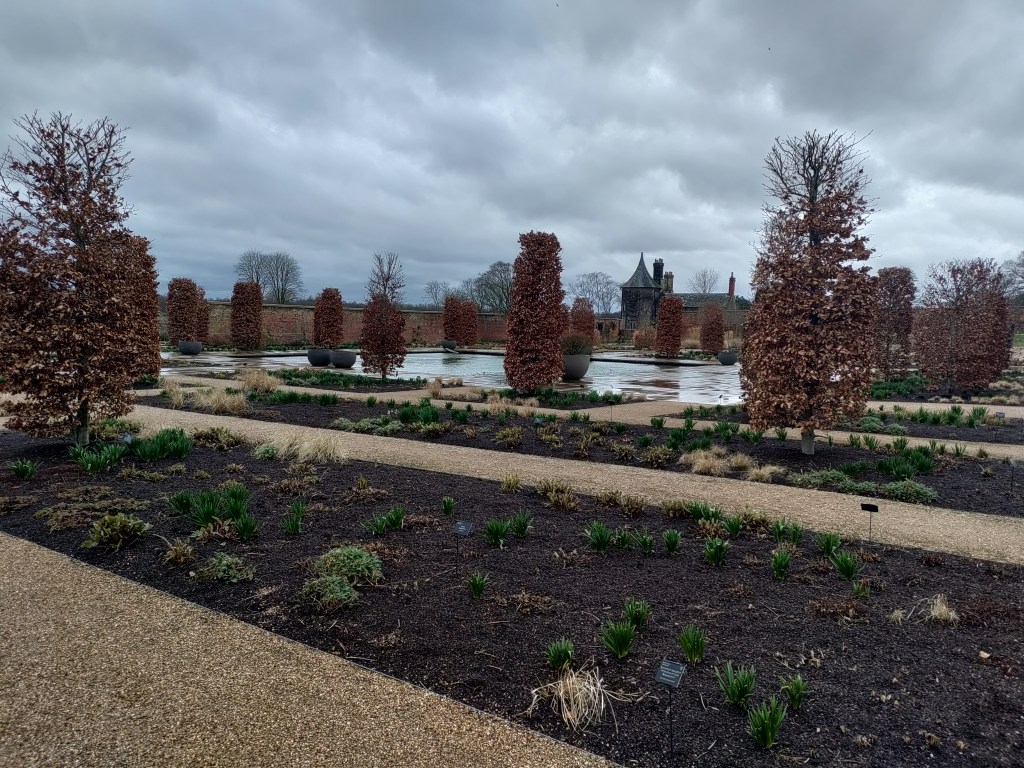
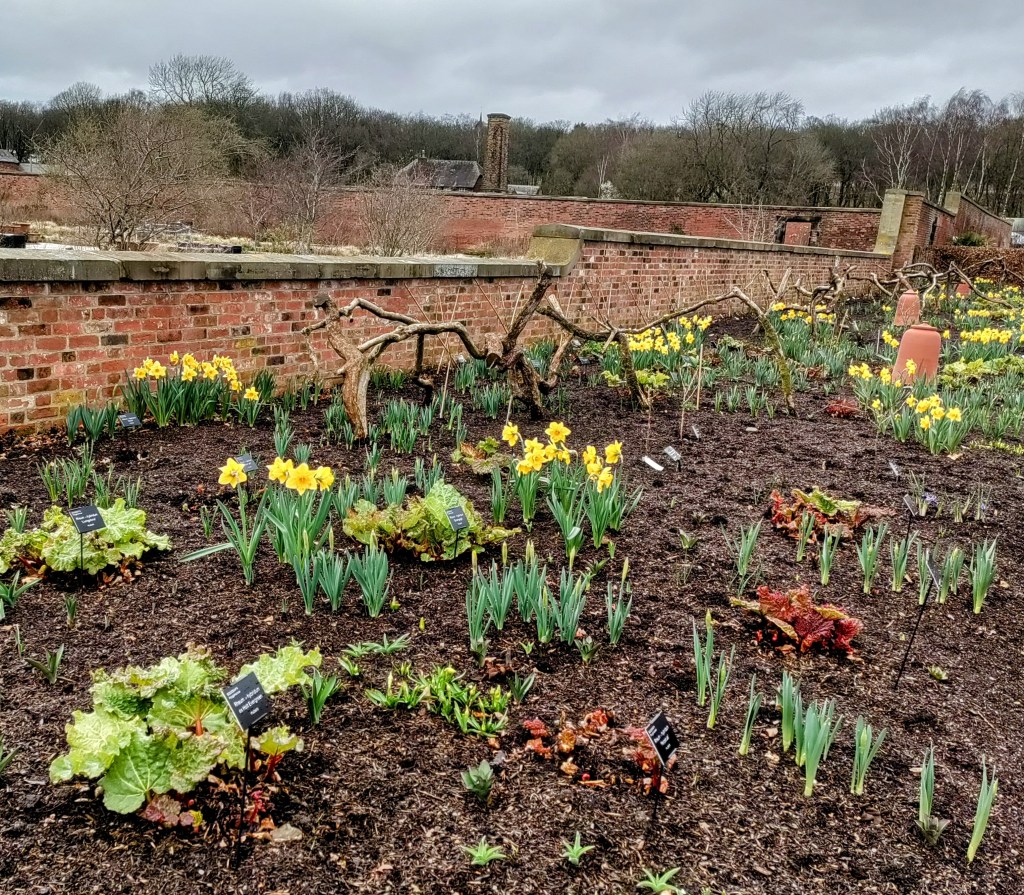
The garden’s walls create a microclimate in which a wide range of plants from all over the world can flourish. There are 89 individual planting beds, containing 27,000 plants


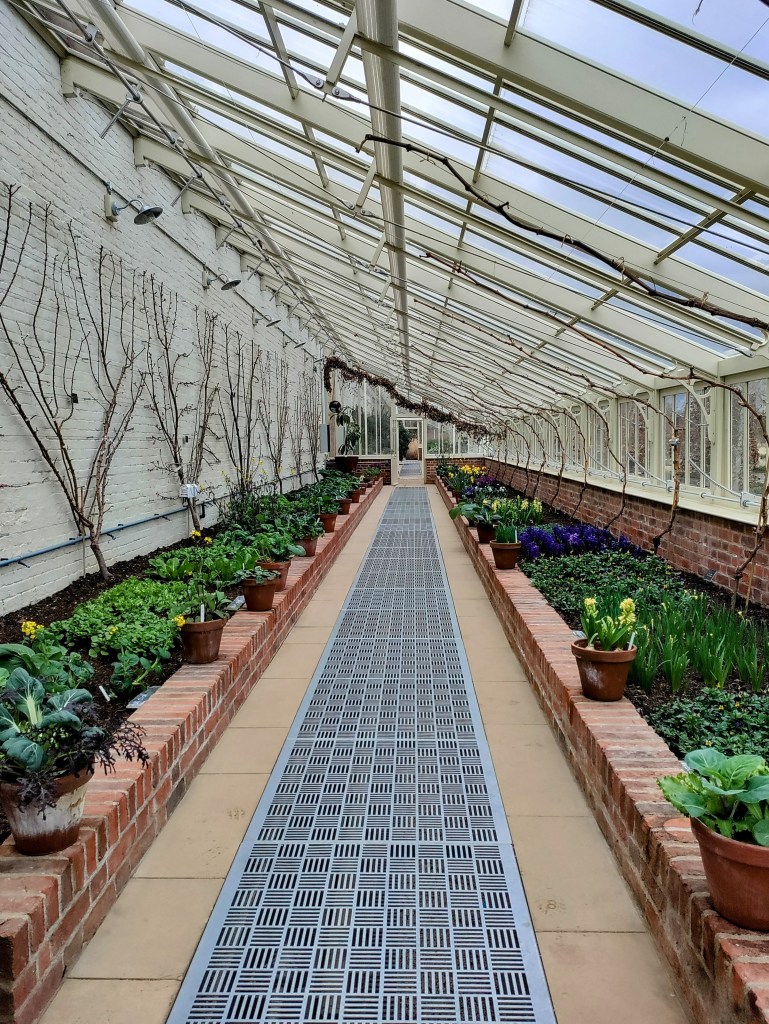
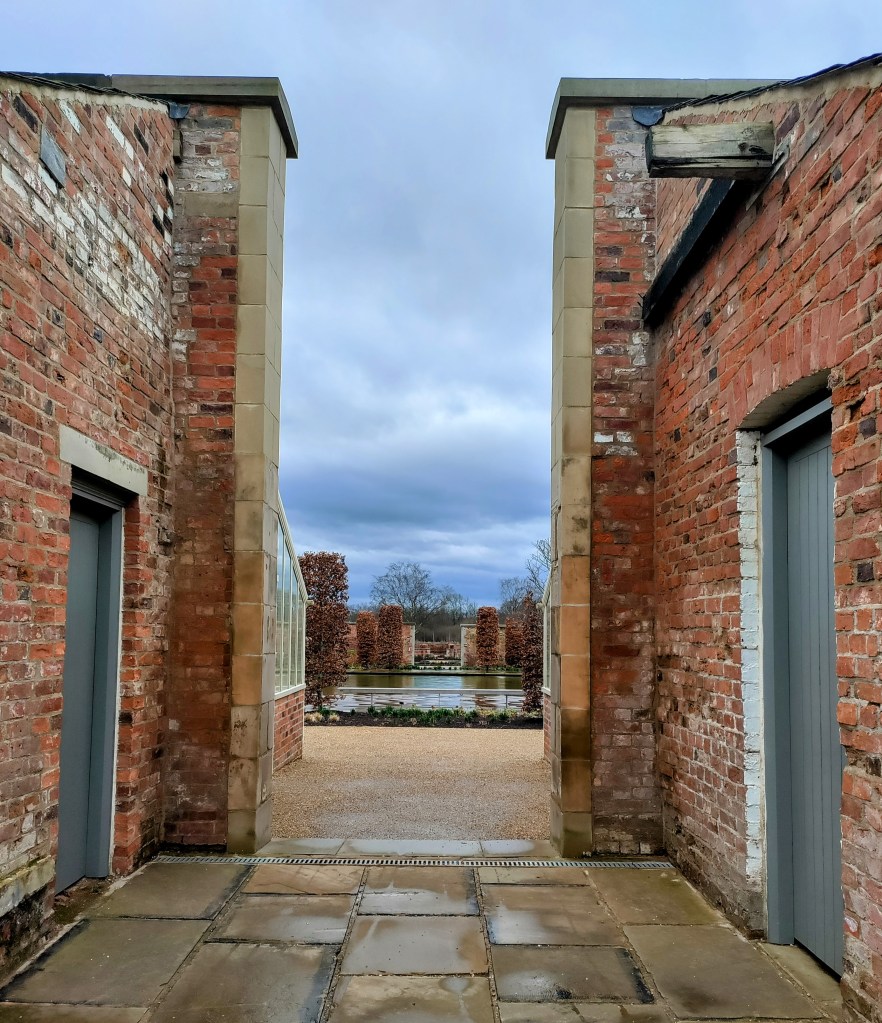
Two new Victorian-style glasshouses have been built along the south-facing wall of Paradise Garden – the Fruit House and Mediterranean House – and are filled with both exotic and familiar plants including apricots, peaches, figs, bulbs and succulents.



The Kitchen Garden
Using ordnance survey maps, the kitchen garden is laid out to reflect the underground waterways that carried coal from the coal face to the canal and the planting beds reflect the historic field network in the surrounding countryside during the 19th century.


Outer Gardens
Within the outer wall is a series of gardens dedicated to serving the local community.
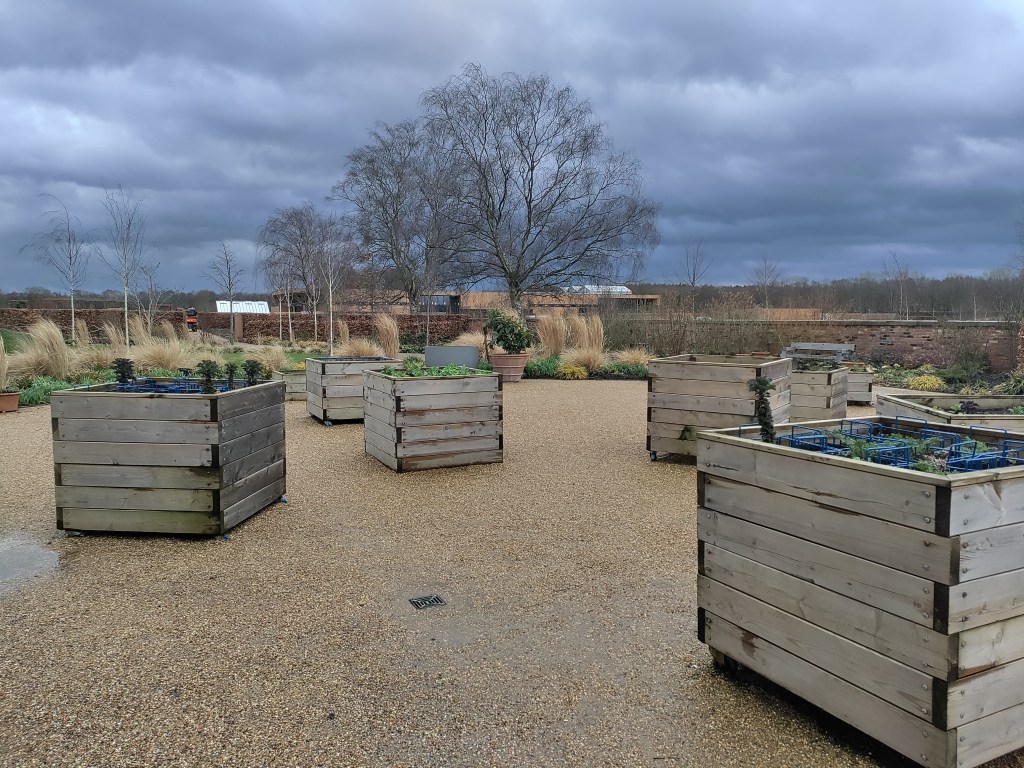

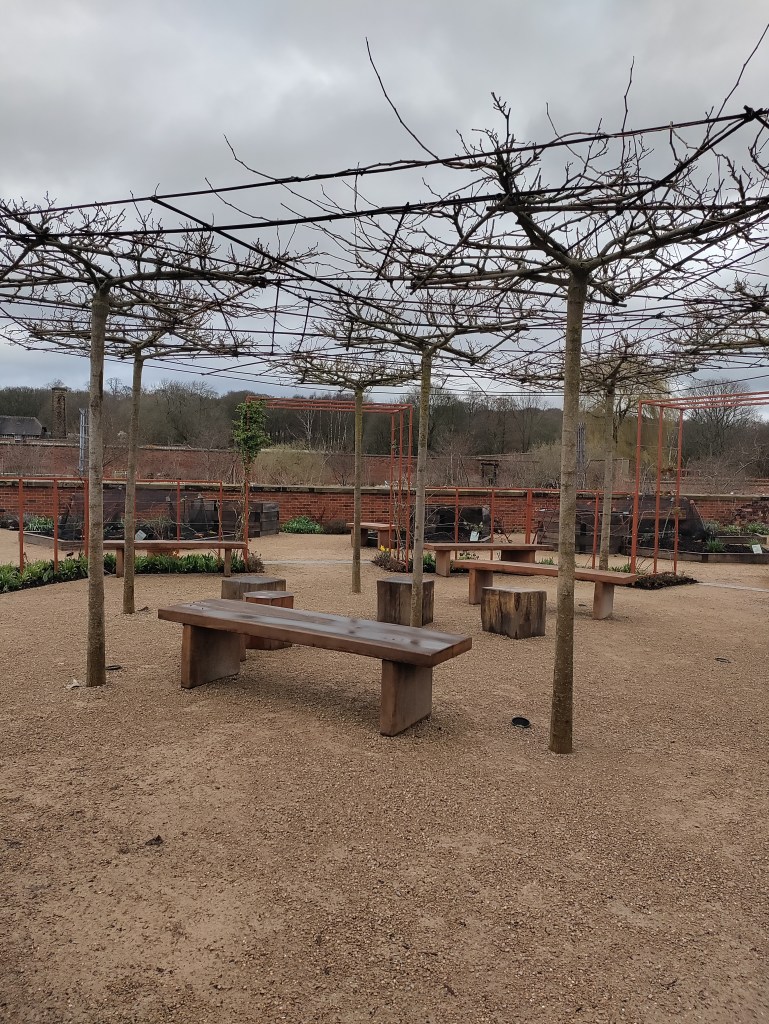
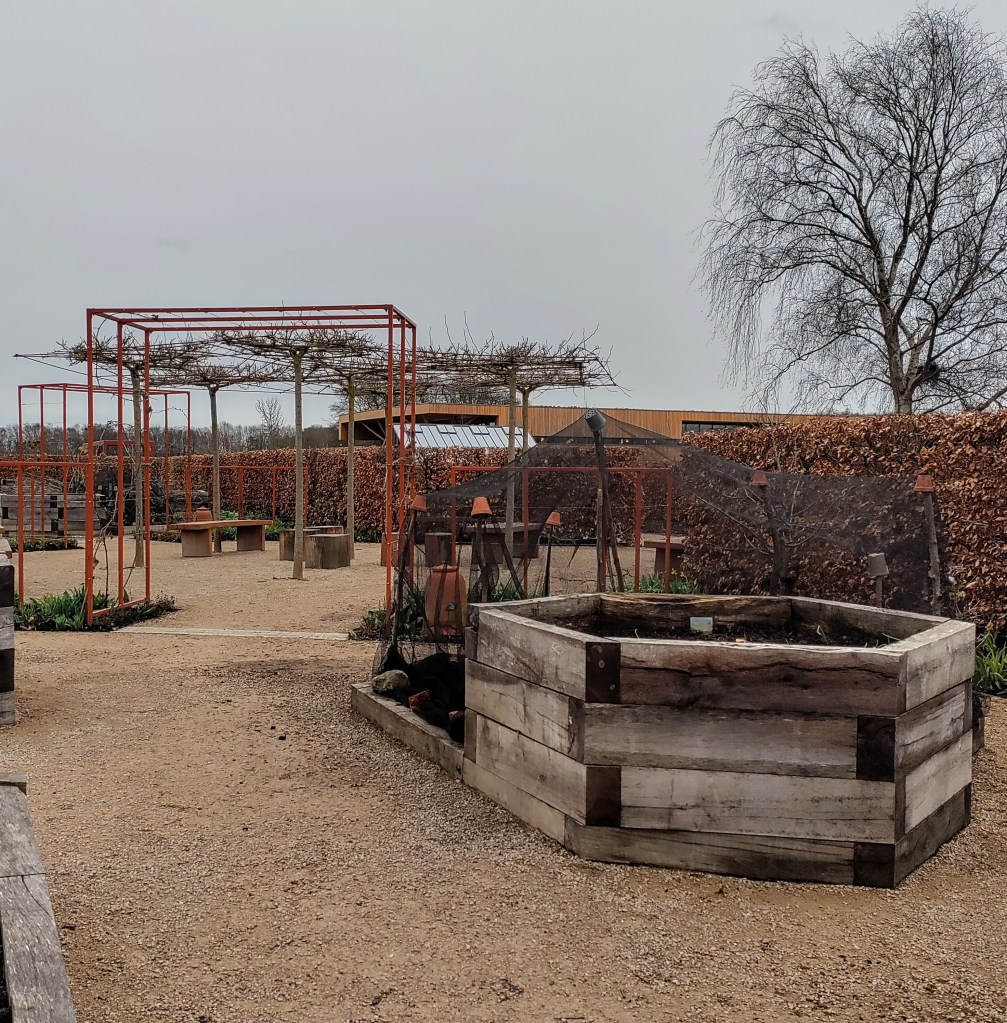
Community Groups can apply for a bed in this garden to come together in a ‘hive-like’ setting to work communally in developing their food-growing skills. The communal seating area will provide a place to gather and shelter under the umbrella mulberry trees.


The Frameyard
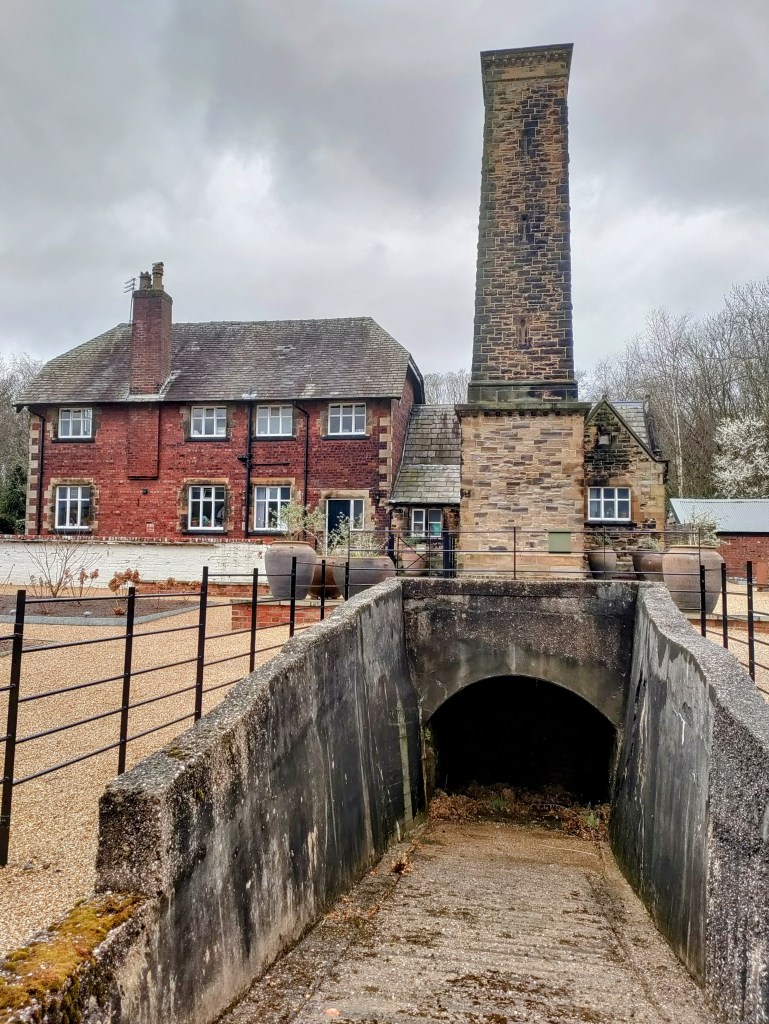
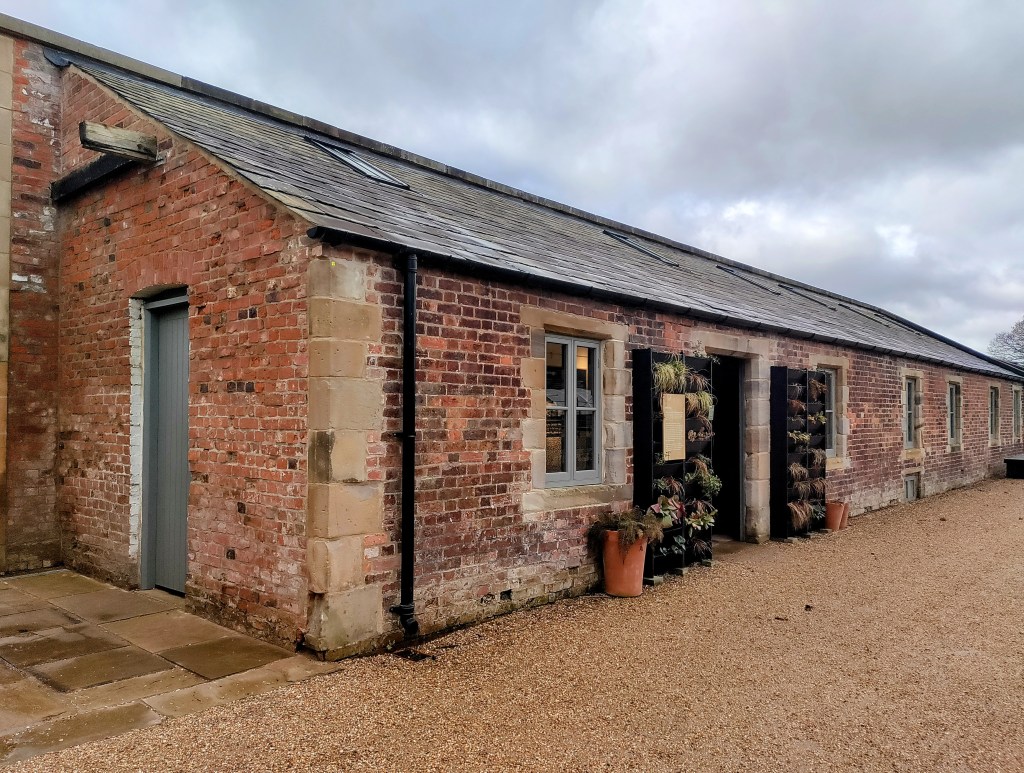
Behind the walled garden, the working area of the Victorian Garden has also been developed and opened to the public and includes the potting sheds, bothy and testing area.
The bothy once housed 34 apprentice gardeners who were also responsible for keeping the boiler stoked. Both the house and the chimney are now listed buildings.

The future

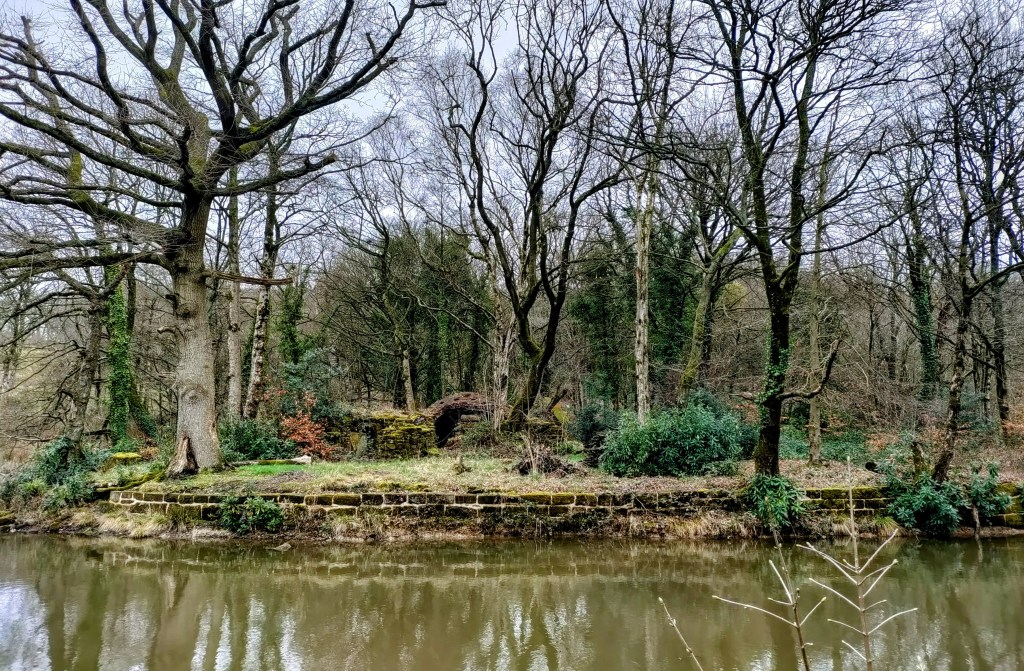
The grotto on this island in the lake and was once accessed by an iron bridge.
The Chinese Streamside Garden is a work in progress covering approximately 7 acres. Its newly constructed stream meanders slowly from Ellesmere Lake to Moon Bridge Water at the information centre.
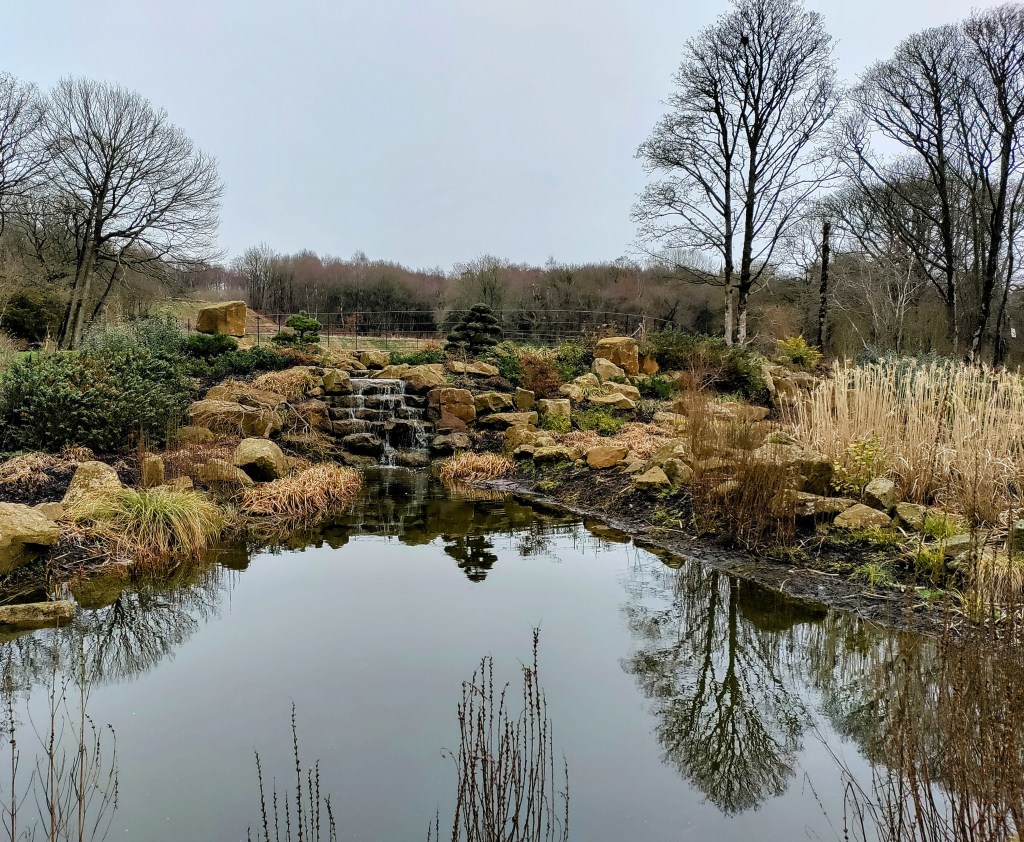
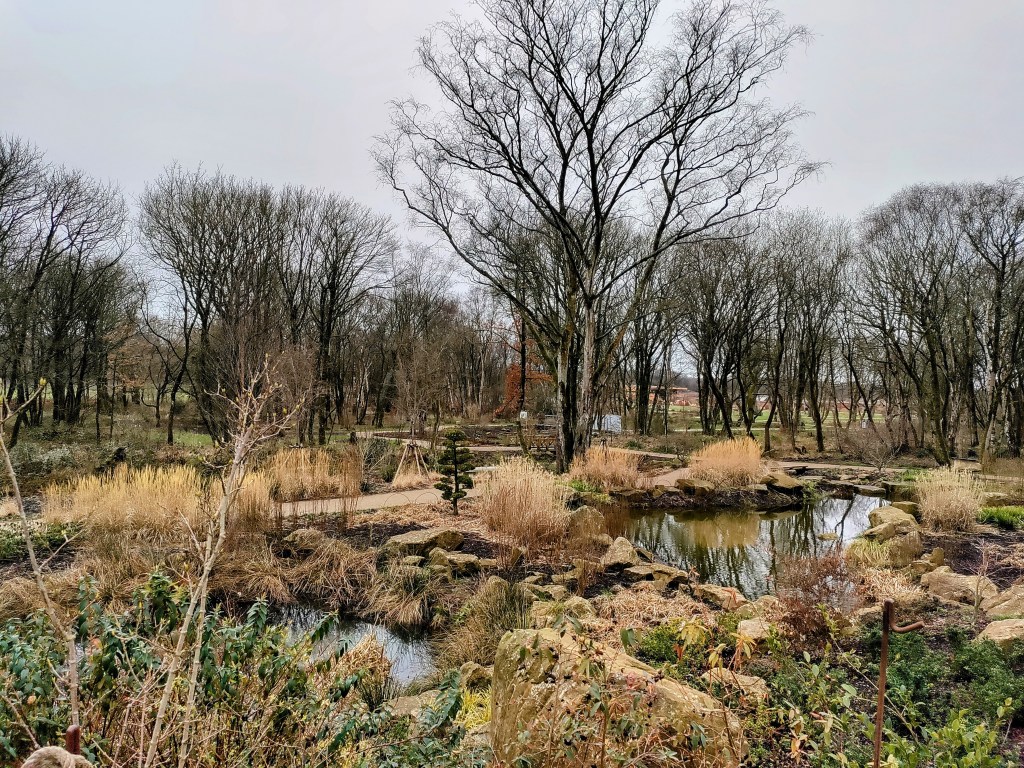
Along the length of the watercourse are a series of smaller pools and weirs, while a sinuous path weaves over five stylised wooden bridges.

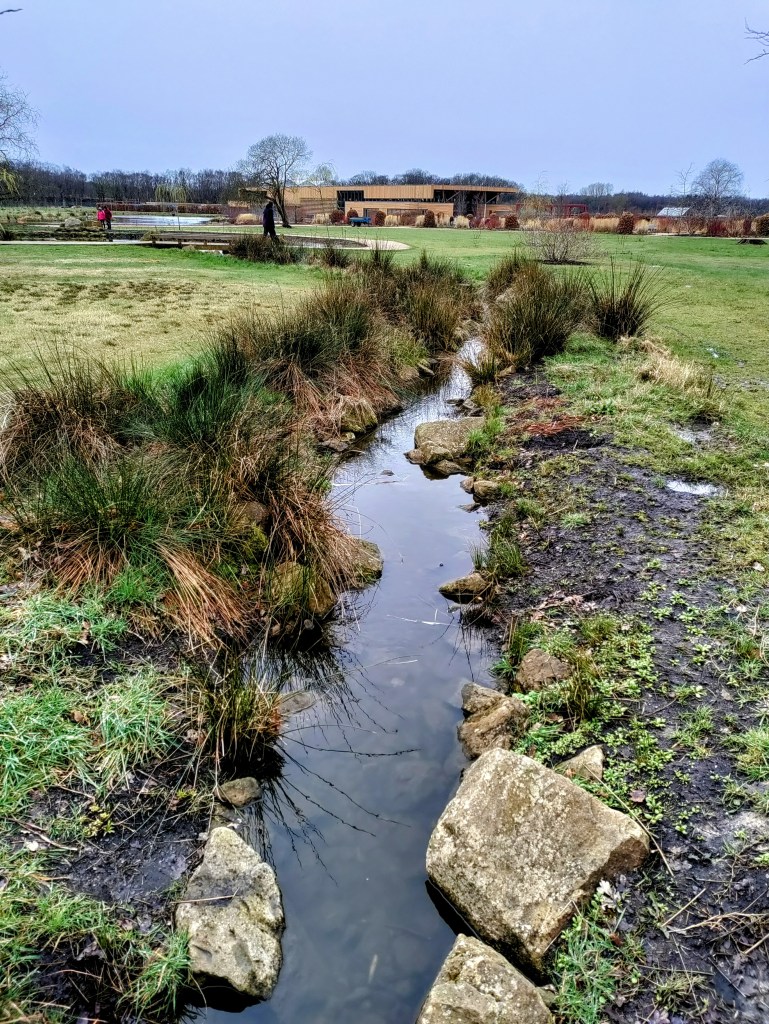

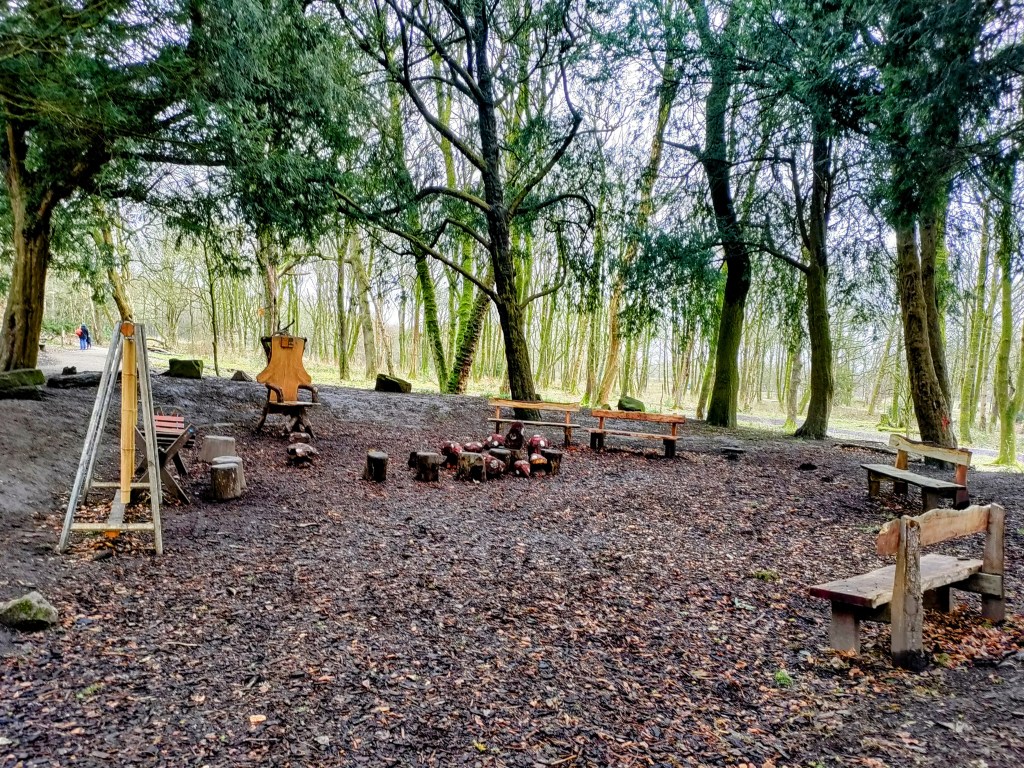
Middle Wood has been a landscape feature on maps since at least 1799. The wood has two distinct halves. A south facing slope and a woodland of mature trees. There is a lot of development and replanting planned, especially for the little folk.

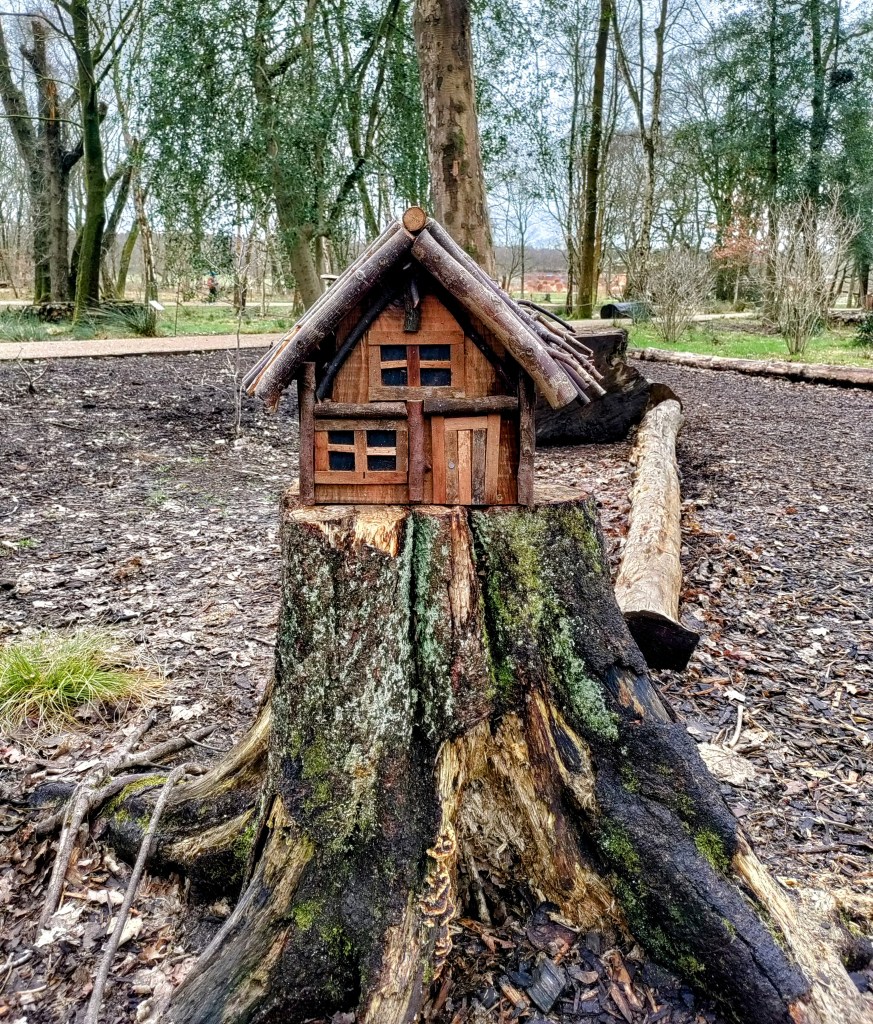
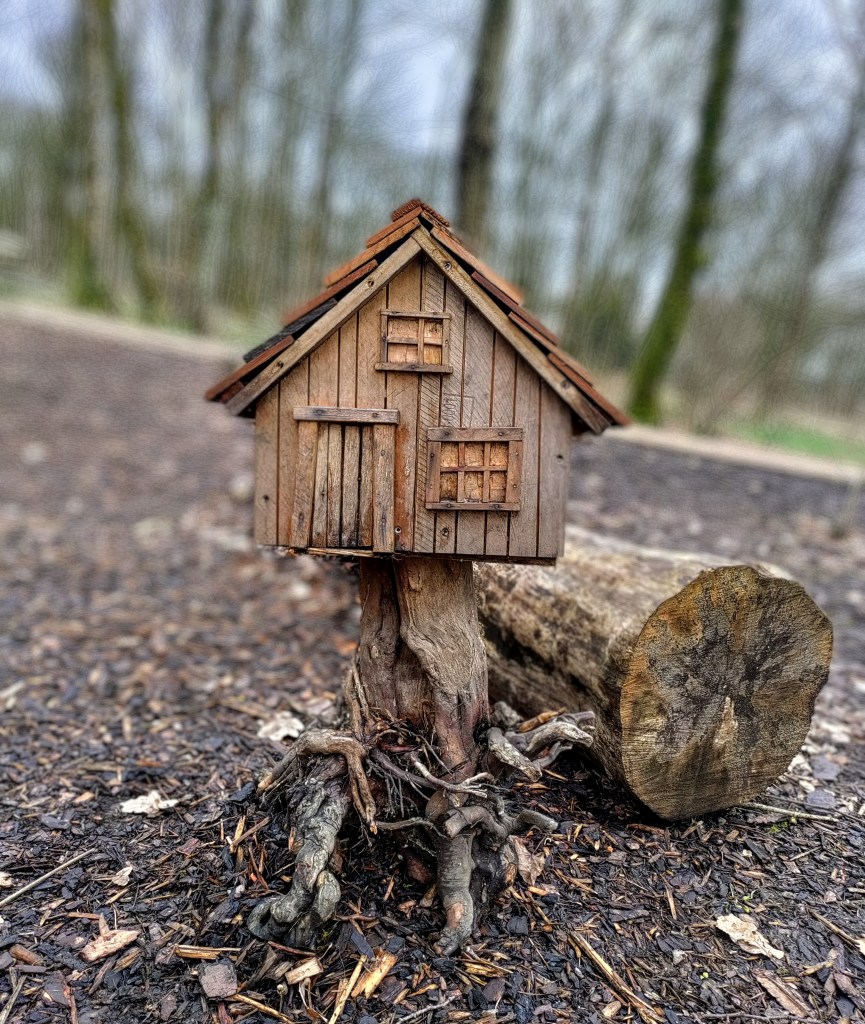
And homes for the fairies?????
I hope you have enjoyed this recollection of my visit. I’m grateful to the RHS Bridgewater website, Wikipedia and our guides Ann and Victoria for the information. I was fascinated by the history of the site and must certainly come back to see how the garden developes.
 H&P Adventures