

I would like to say we are heading for our maiden voyage on Somnia but that is not the case as we had a week back in February! Despite lockdown and long lazy days at Melmore I didn’t quite get round to finishing the blog of that trip. Suffice to say we had a lovely week with Aninka on the Grand Union Canal between Wigram’s Turn and Rugby!

Now a word about our narrowboat. NB Somnia is 58′ long and 6’10” wide. She was built in August 1999 by Pat Buckle Boats in a semi-traditional style.
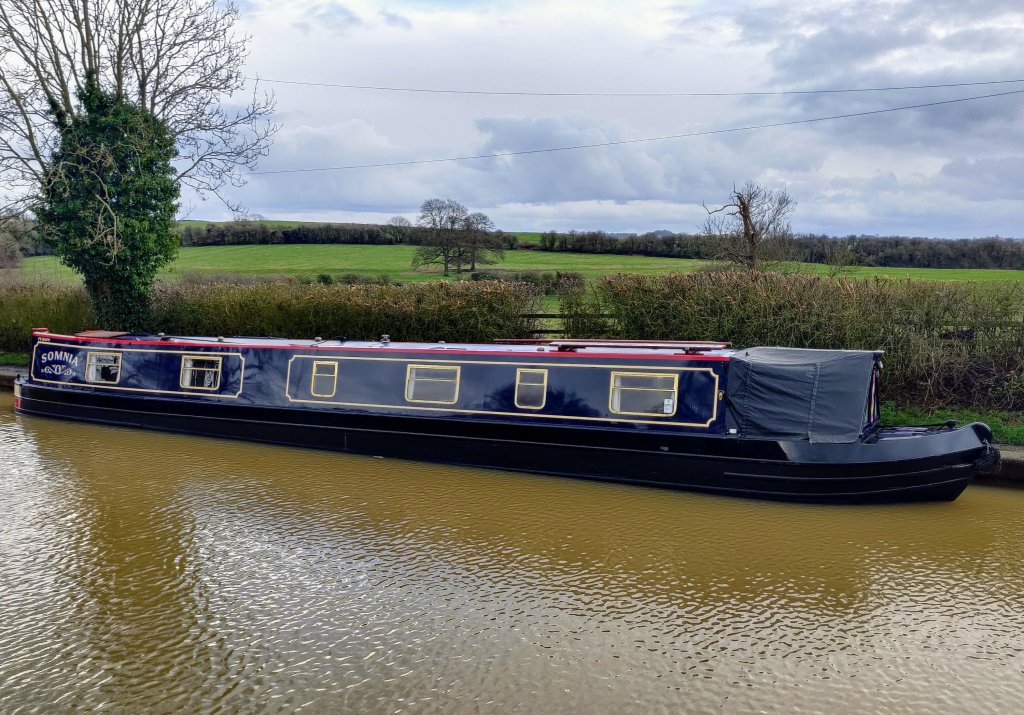
There are three main areas on the boat – the saloon, at the bow (or pointy end for my non boating readers) which has two seats on either side which can be used as two singles or a double bed. The main bedroom in the middle is a fixed double bed that can extend to a king-size and the dinette at the rear with L-shaped seating which converts to a double bed. There is a bathroom with shower etc and a separate WC beside the saloon. So, if you are counting, she can sleep six! From our recent experience – two is comfortable, four would be cosy and six a crowd!

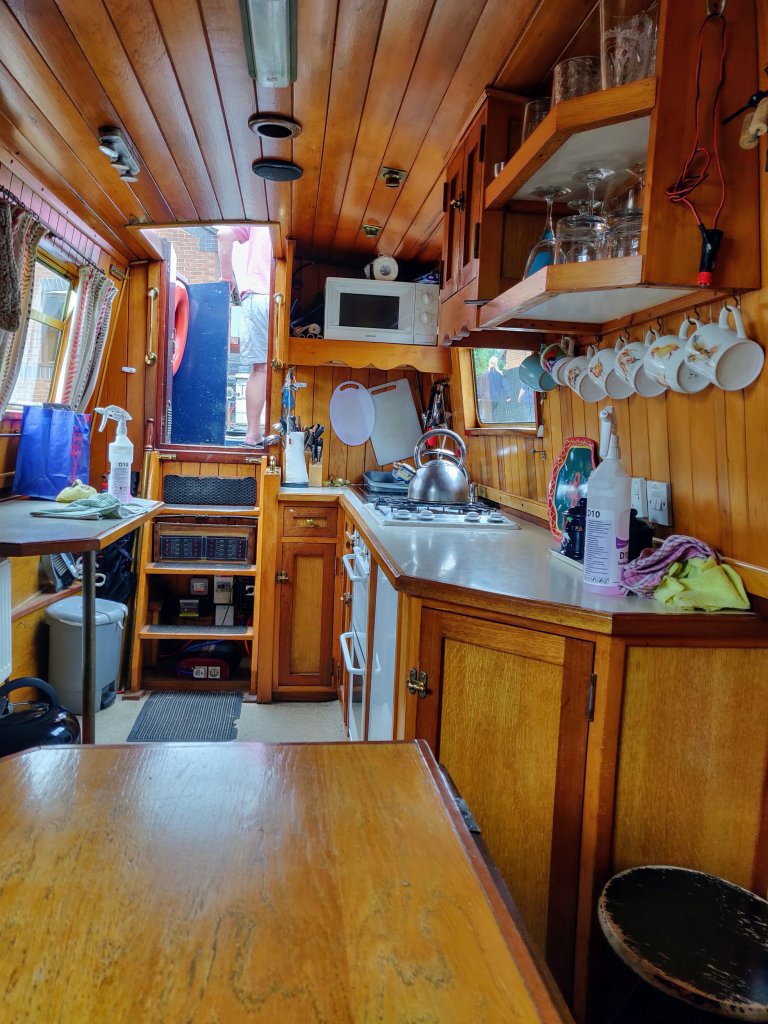
The galley is equipped with a gas hob and oven and grill. There is a fridge, microwave and we can use a toaster though the last two items are heavy on the batteries I’m reliability informed by my captain! Bit like our set up in Melmore! We’ve never used a microwave on a boat before and on this trip it doubled up as a bread bin!
I’ll maybe leave the technical stuff to another time – if your interested, leave us a question!!
This time we are doing what is referred to as a “remote handover”. Our friends, and fellow shareholders, Sara and George have been on the boat for a week and we are meeting up with them at Market Harborough. After some shuffling of cars between the boat and the home marina at Wigram’s we will have a fortnight on board.

Back in the 18th century, Market Harborough was a staging point for horse-drawn coaches travelling between London and the Midlands.
By 1790, businesses began to turn a watchful eye to the canal network steadily growing across the country. With barges able to carry nearly 40 tonnes in weight, and travel as quickly as horses and mules, the canal network seemed a safe investment. The development of a waterway then known as the Leicestershire and Northampton Union Canal got underway to link Leicester and the London/Birmingham Canal.
Harborough Wharf served its purpose as a distribution centre for industry. Goods such as worsted cloth, grain, bricks, beer and coal were brought in and out of the town via barges and contributed to Market Harborough’s prosperity.
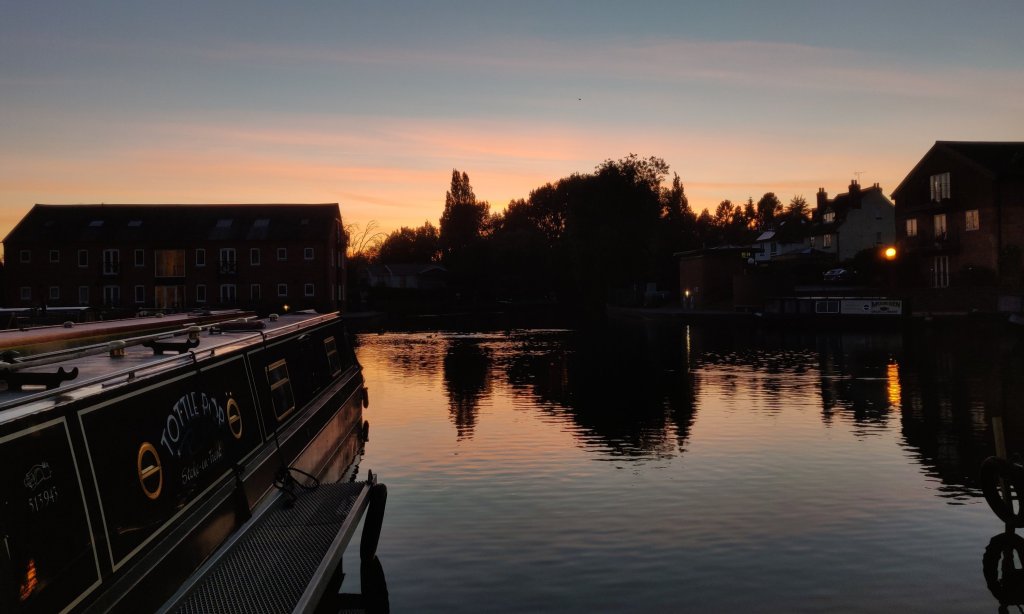
Today the red brick buildings of the wharf area have been restored and developed in to chic apartments, waterside cafés and small businesses. There is a thriving canal boat hire centre for holidays and day boats.
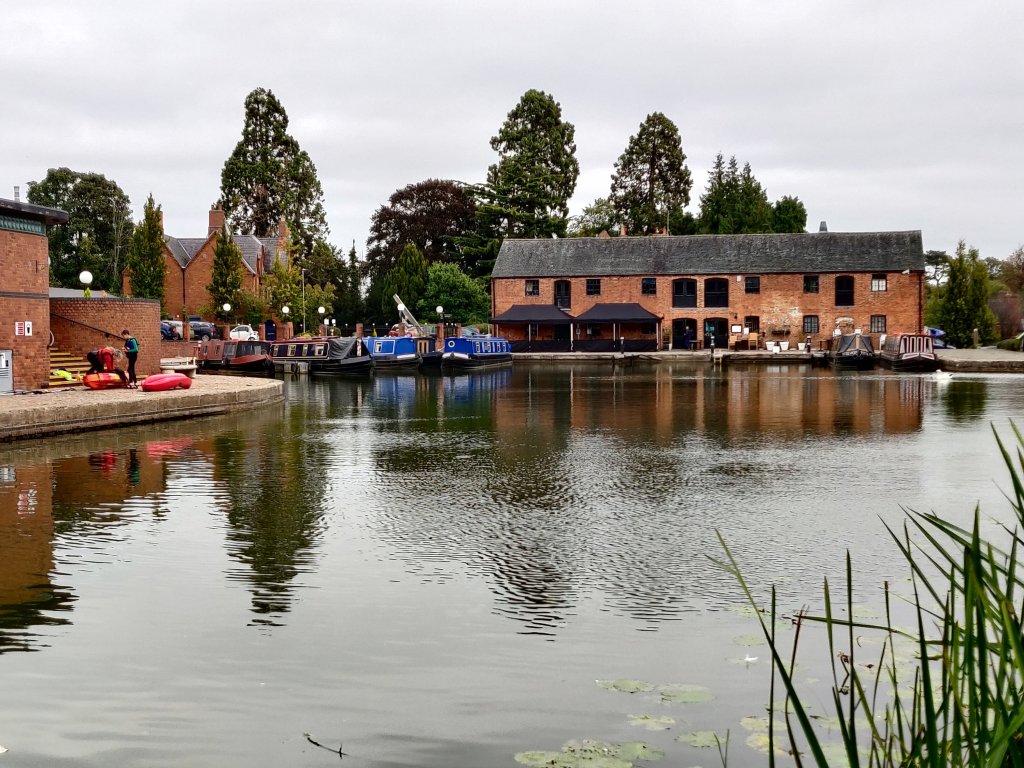
We will explore the town and stay another night before casting off on our journey south.
 H&P Adventures