

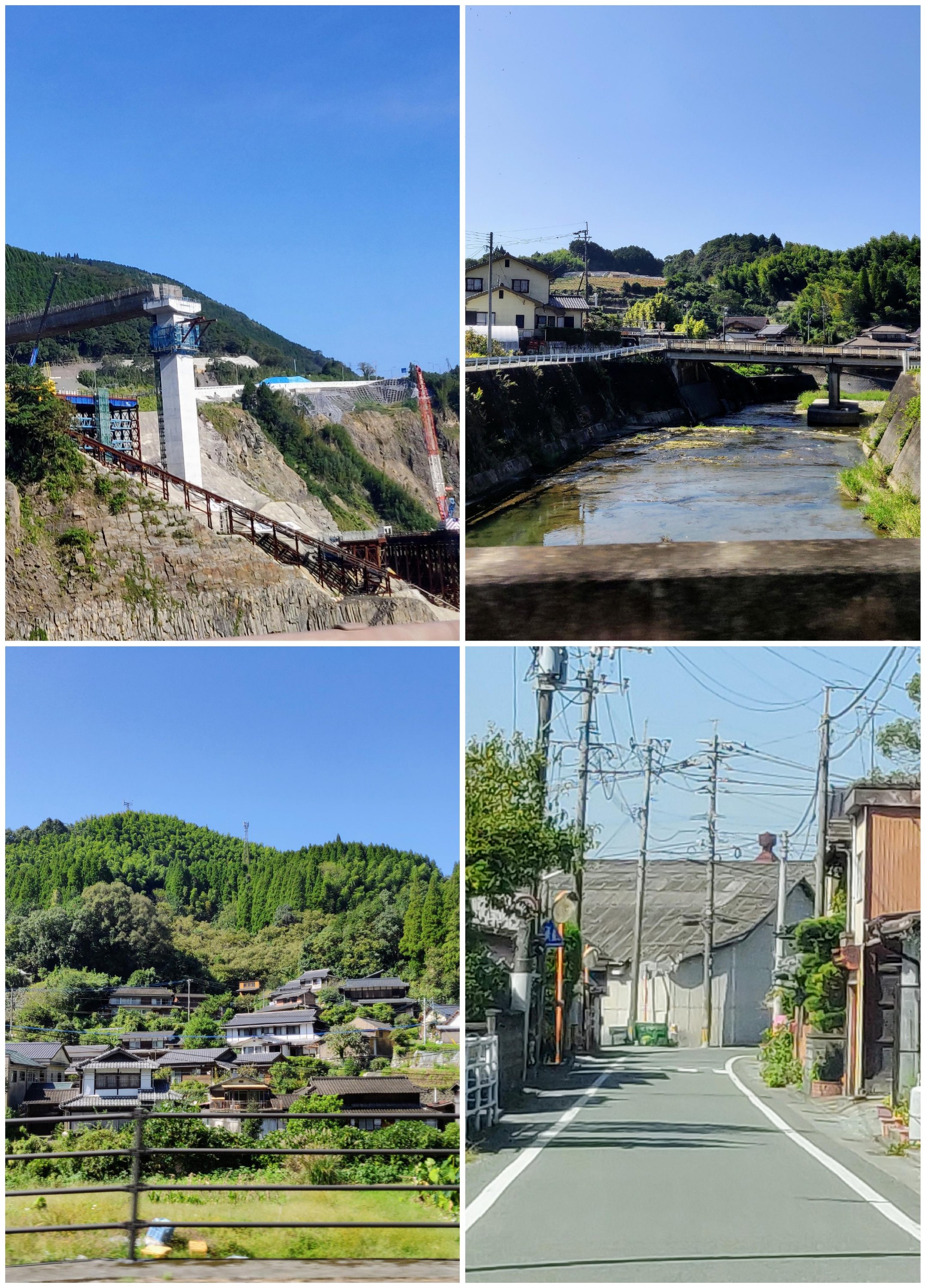
After leaving the beautiful Aso area we had an 88 mile journey to our final pool match destination, Fukuoka. We weren’t long on the road until, to the left of the freeway there was hilly terrain, covered in lush green vegetation and to the right, an urban sprawl that went on for mile, after mile, after mile. It seems that 95% of the 12,970,479 population of Kyushu Island live around the edges!
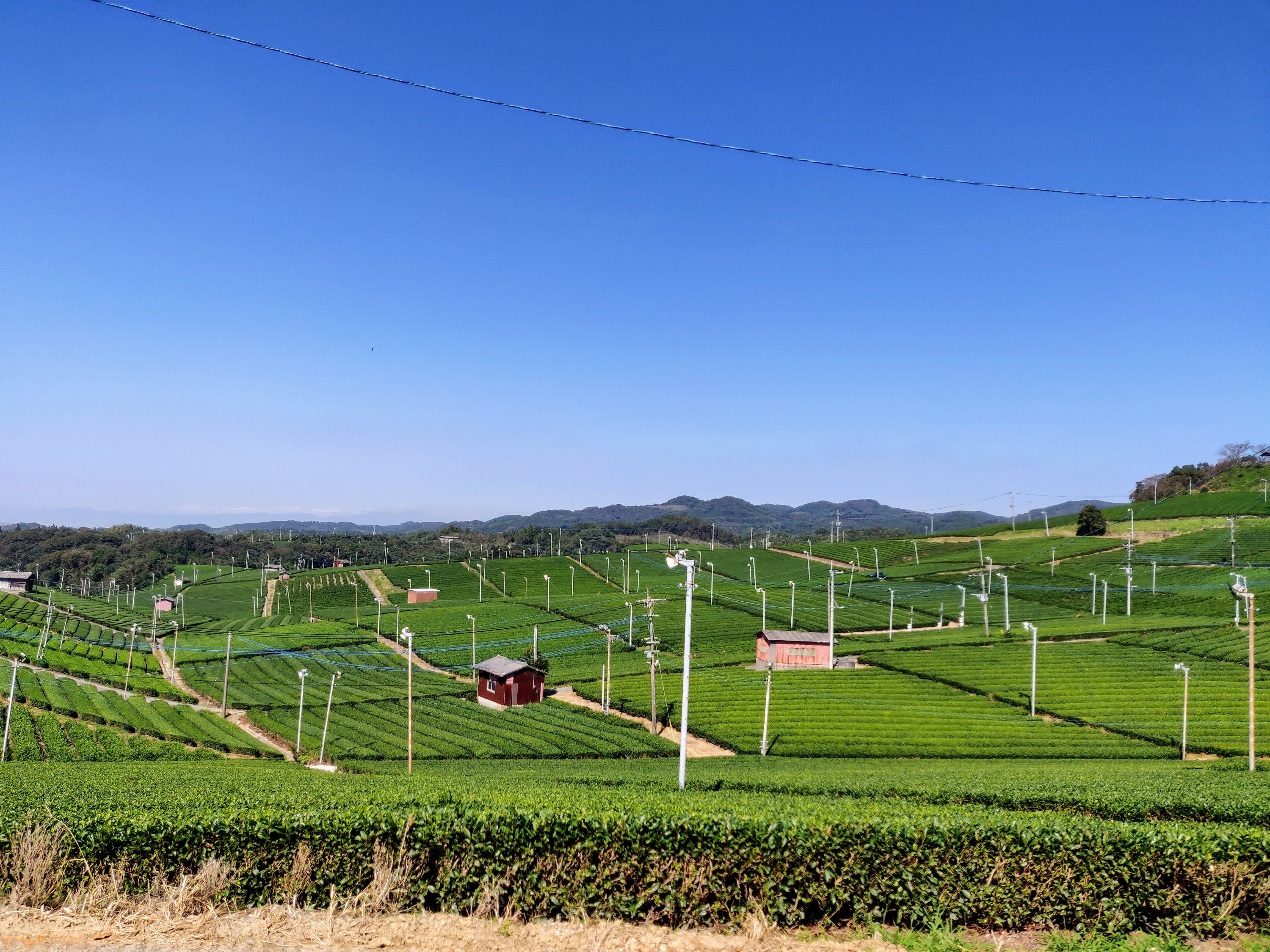
On route we detoured to visit the Yame Central Tea Plantation. Yame-cha (tea) is the 6th largest brand in Japan and most of the tea is grown on the 160 acre site we drove through. Did know that the top two leaves and the bud are picked to make the fine tea? And who knew that it takes 1kg leaves to produce 200g of tea!



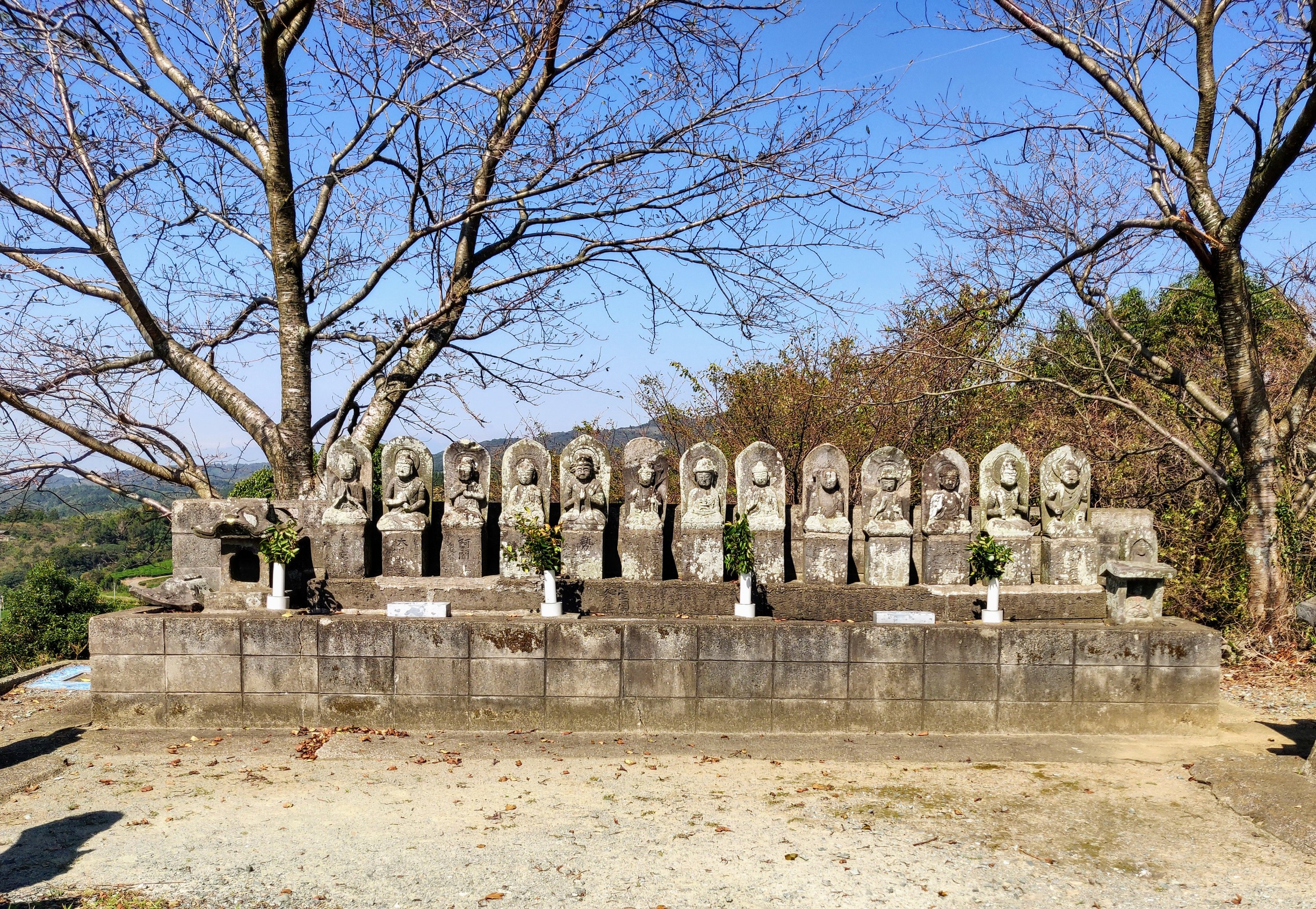
We checked in to our accommodation before returning the car to the hire depot – 1500 miles, great craic.
We have enjoyed a wide variety of rooms on this trip and ended up in a shoe box! The bedroom was 8’x10′ with a corridor that contained a kitchenette on one side, including a washing machine and a toilet and shower room on the other. The bonus of the shower room was it had a warm air dryer which could be programmed for drying clothes so we were able to get a laundry done! Other than that the place was clean, comfortable and home for three nights!

Fukuoka is the fusion of two cities. In 1889 the port city of Hakata and the former castle town of Fukuoka were united into one. Hakata remains the name of one of Fukuoka’s central districts and of the main railway station. It sits on the northern shore of Kyushu Island and is known for ancient temples, beaches and modern shopping malls. Off we go to explore!
Canal City Hakata is a “city within the city”. With 250 shops, cafes and restaurants, a theatre, game center, cinemas, two hotels over five floors and there is a canal running through the complex. There is something for everyone! At the centre there is a fountain with water shows every 30 minutes from 10:00 until 22:00.

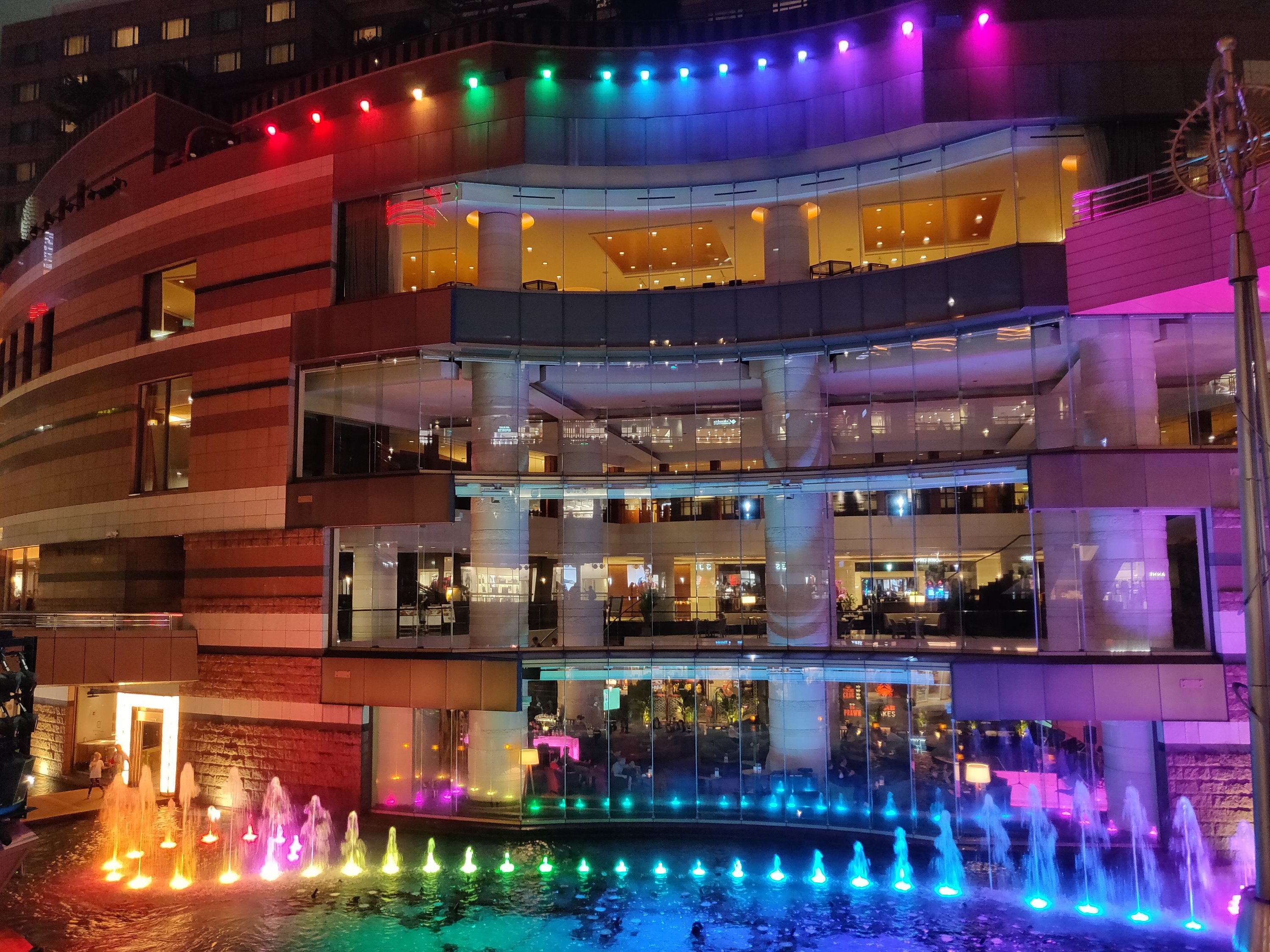
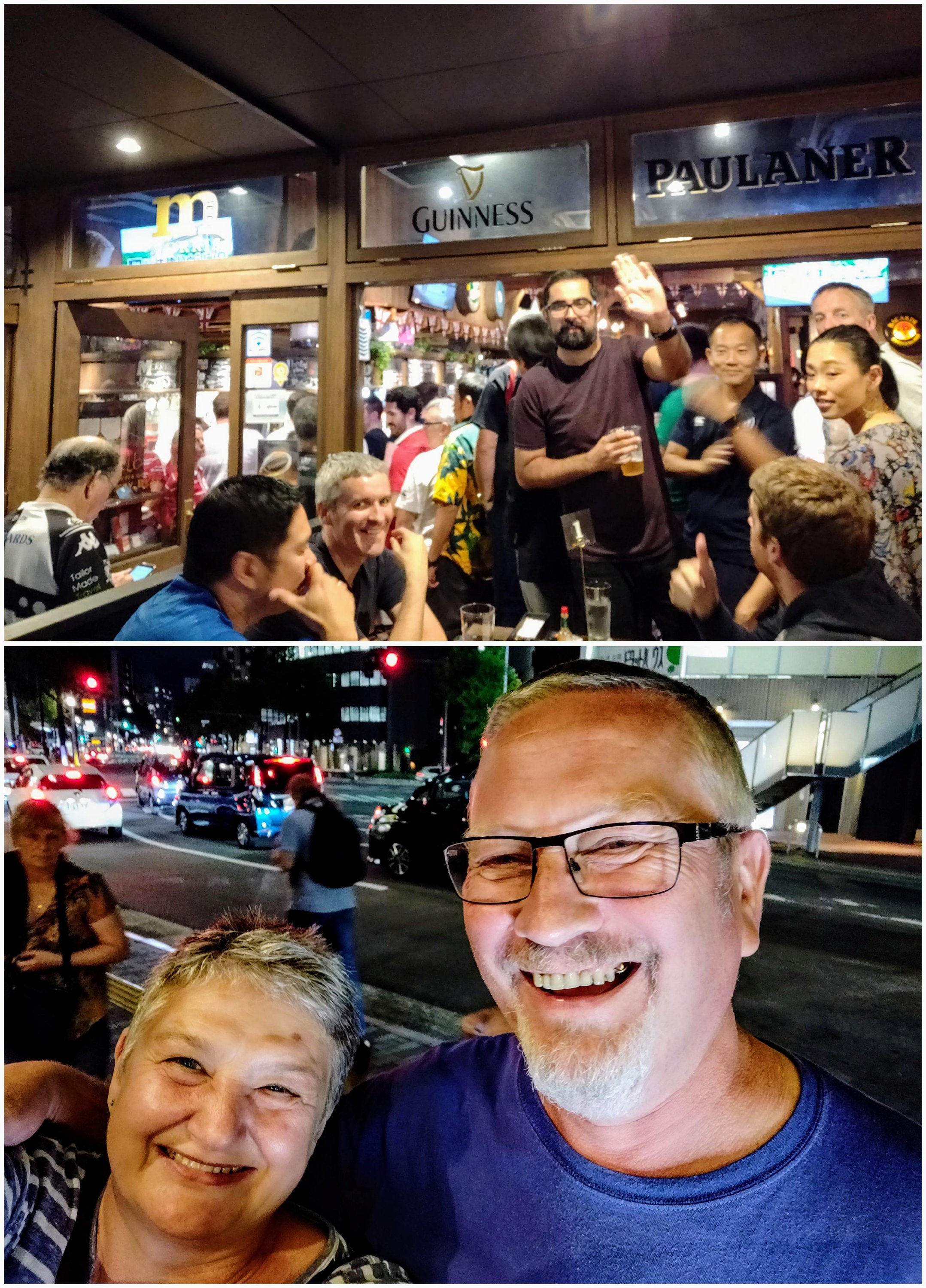
The centre is adjacent to the Grand Hyatt Hotel so we took ourselves in to the lobby for a beer and some talent spotting – only the Irish Rugby team where staying there!! Having ticked off most of them coming and going, and with a bar bill of £70, we decided to move on! And in case you think we had a lot – between us it was four beers, two G&Ts and two iced coffee!

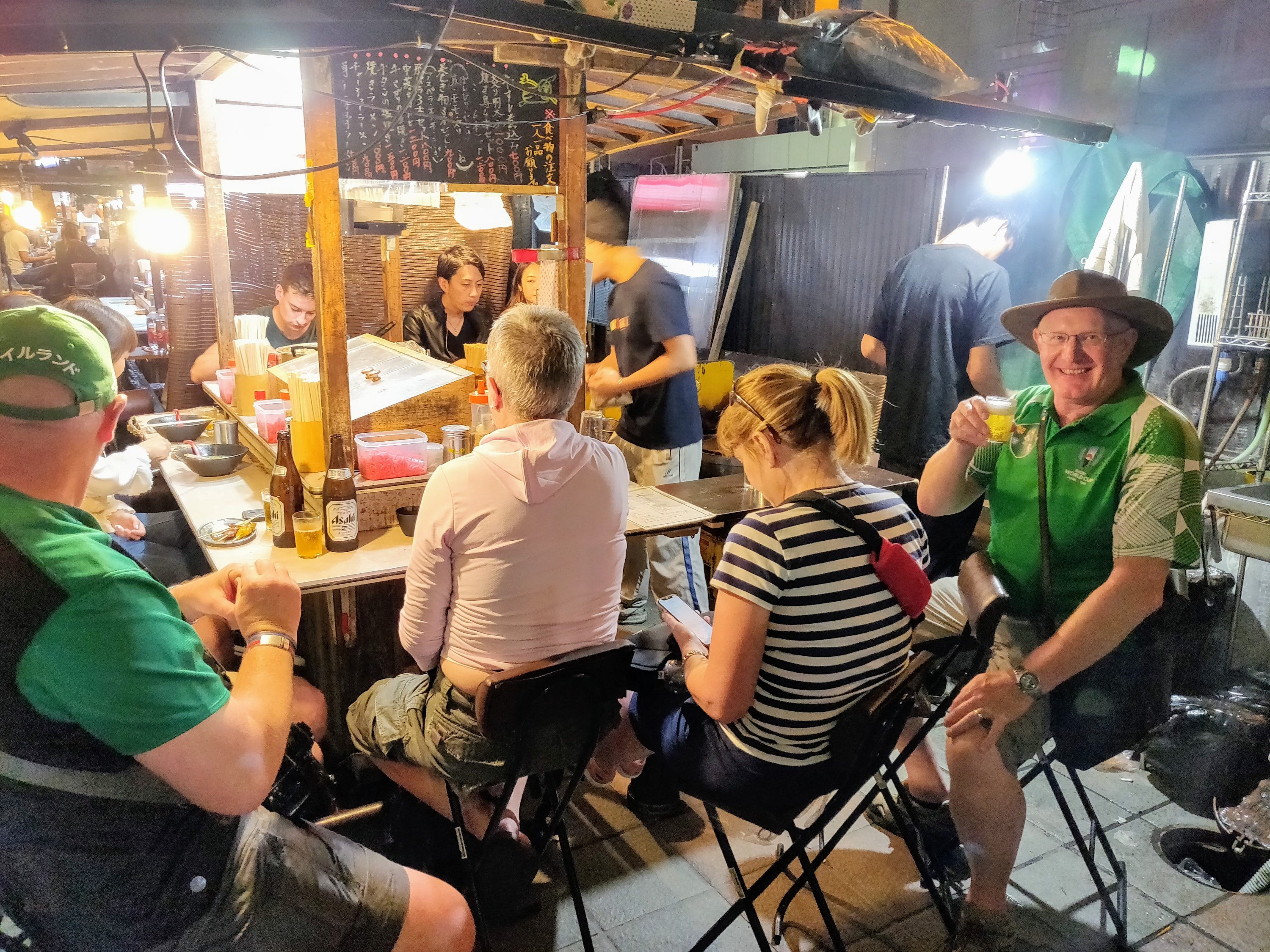
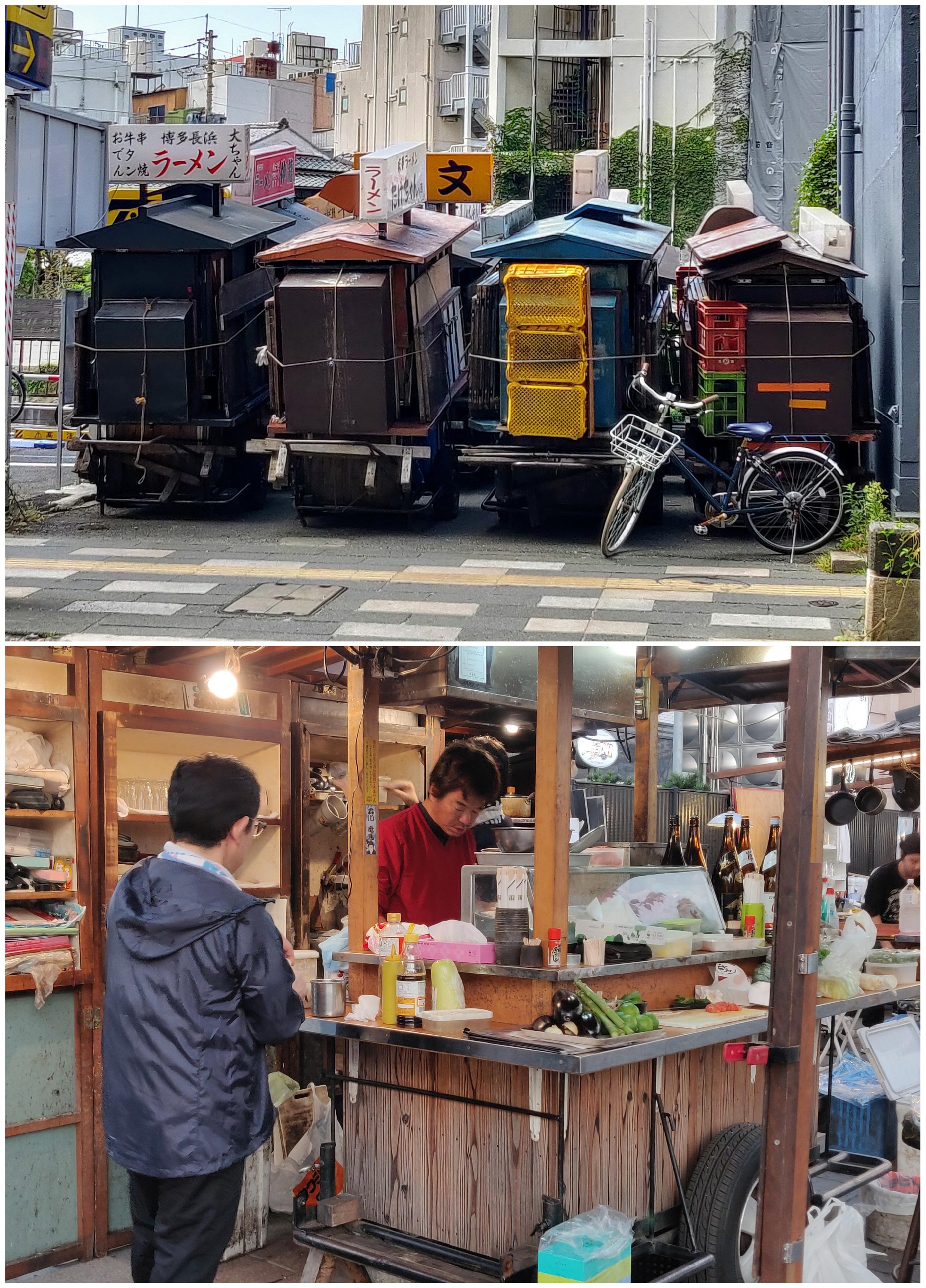
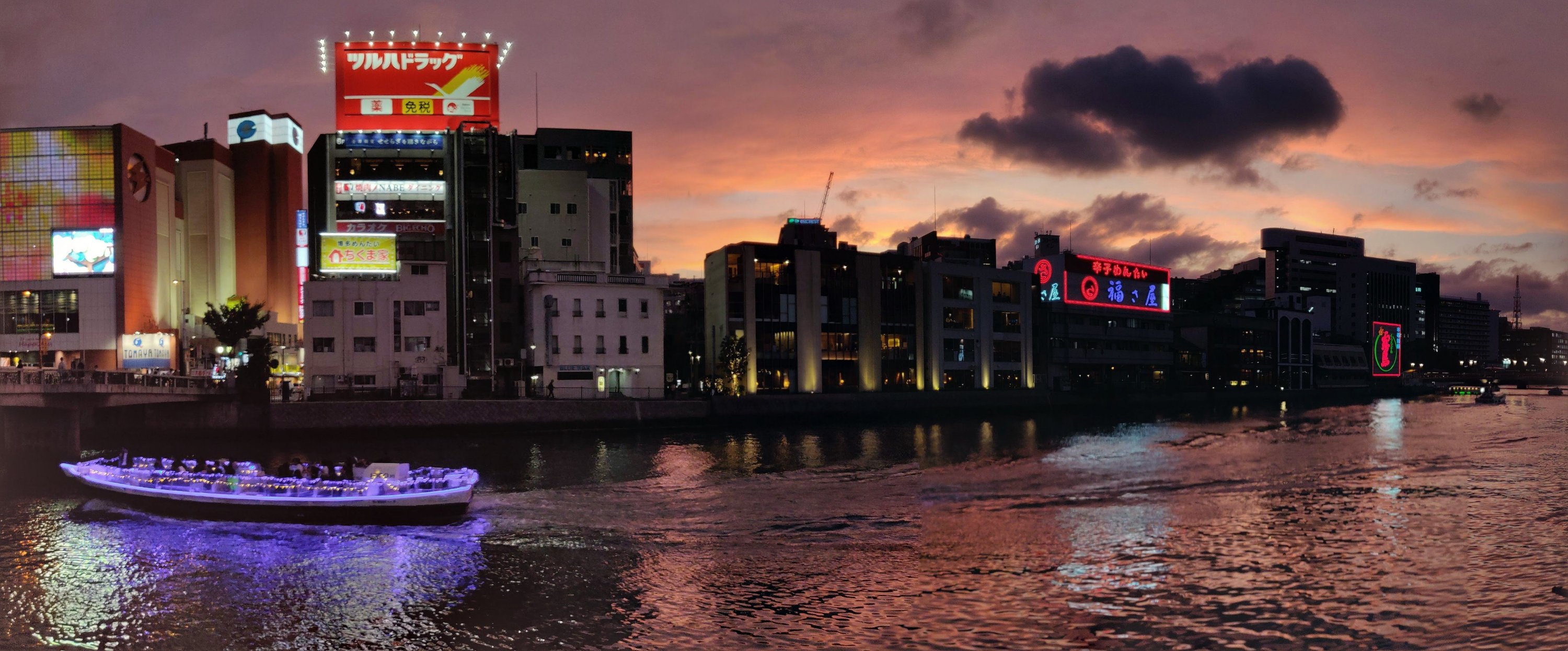
Fukuoka’s famous food stalls, Yatai, are located along the river on Nakasu Island, and can be accessed opposite the front of the Grand Hyatt. There are about 20 Yatai stalls in this area, which are open 6pm-2am, seat about seven or eight people and serve a variety of simple foods such as grilled chicken skewers (yakitori), hot pot (oden) and most famously, Hakata Ramen, a local noodle dish featuring relatively thin noodles in a pork bone based soup (tonkotsu). Fantastic atmosphere but when you are finished you are asked to move on!

Match Day
When a rugby match is late in the evening you find yourself (or we do) just waiting! A great breakfast near our hotel then M&T sorted out stuff and we visited Sumiyoshi shrine. The gods enshrined here have been worshipped for protecting the nation and sea voyage since ancient times.
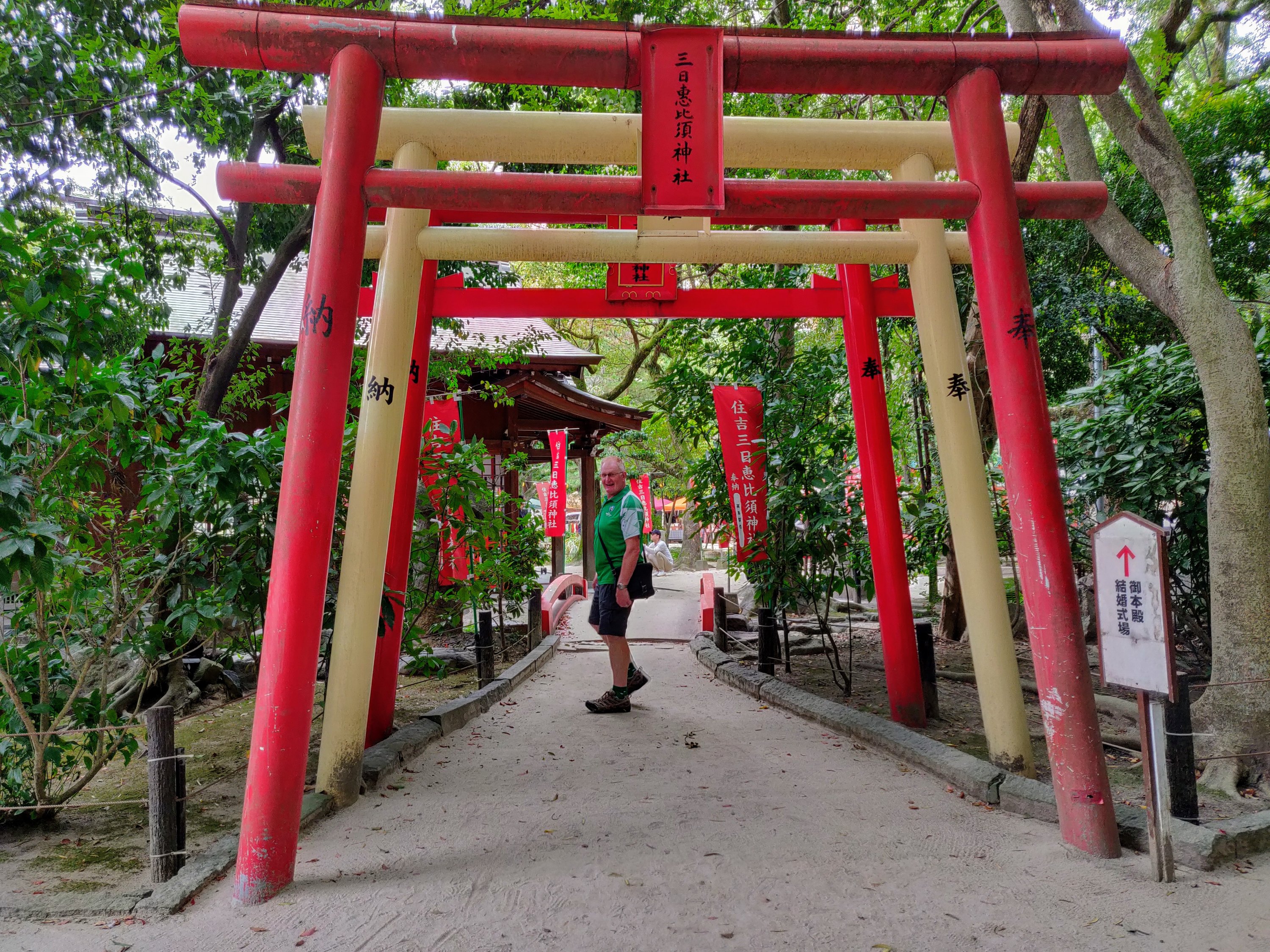

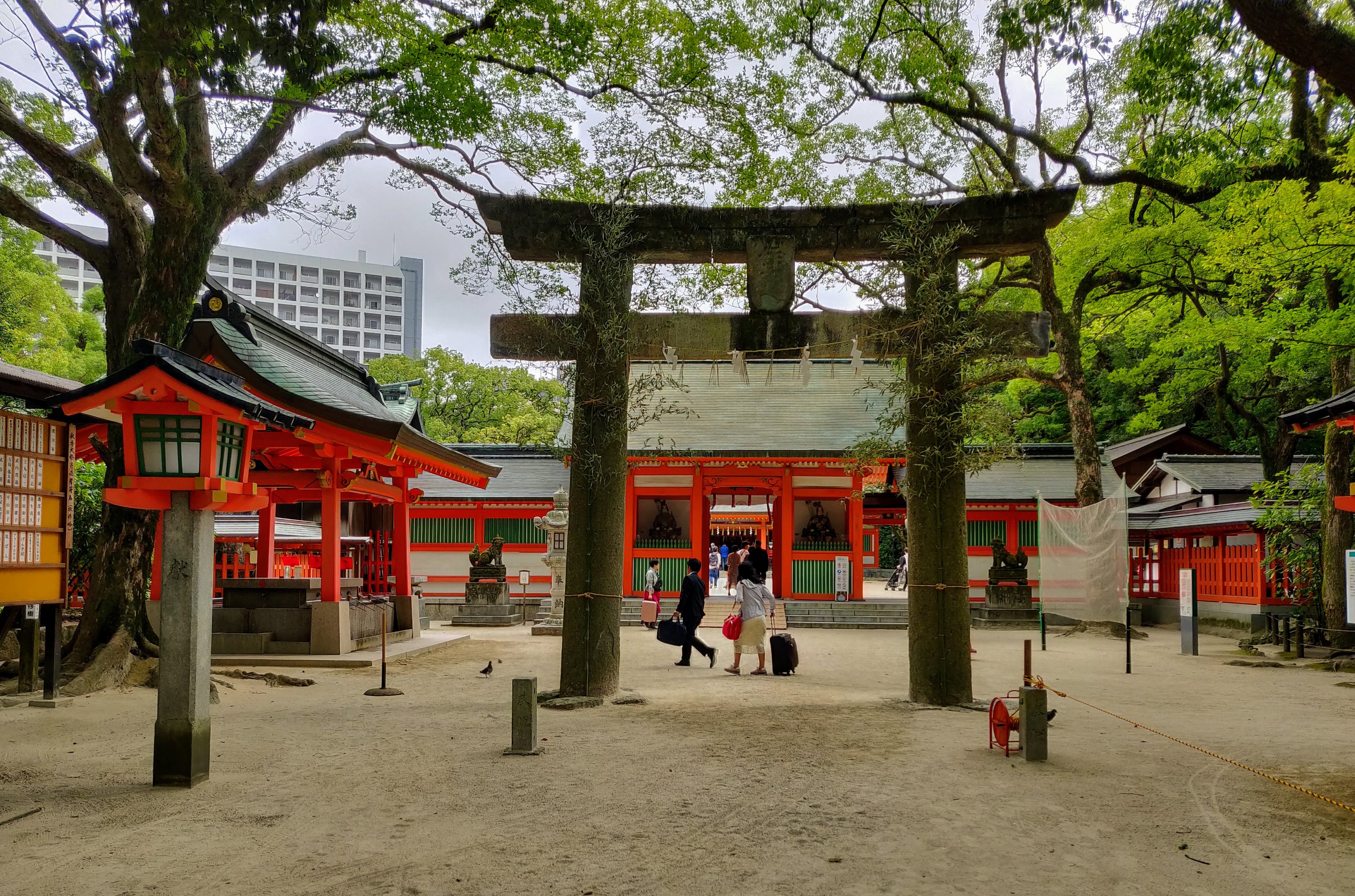
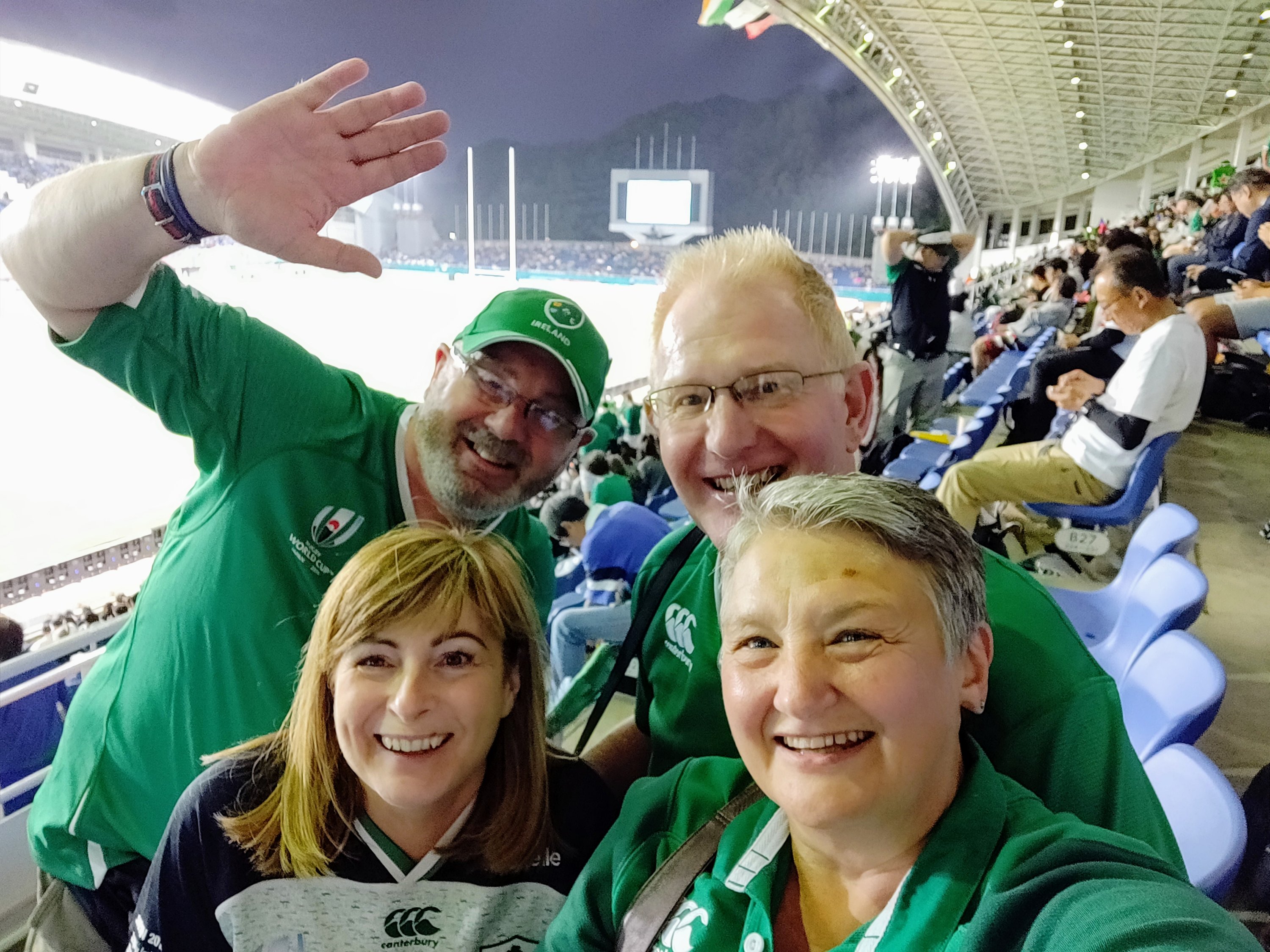
We floated about Fukuoka, had a little rest and then headed out to the stadium. Have to say, this was the best organised crowd management operation (work speak) we have encountered this trip! We took advantage of the buses laid on and were grateful for advice from a local!
Sunday we had a bit of a lie in before heading out to breakfast at Royal Host (a favourite after one day). As we were finishing breakfast the man sitting behind us told us to go to the temple across the road at 11am. The same one we had visited the day before (Sumiyoshi-shrine).
We couldn’t understand what he was telling us was happening so we just turned up! To this….
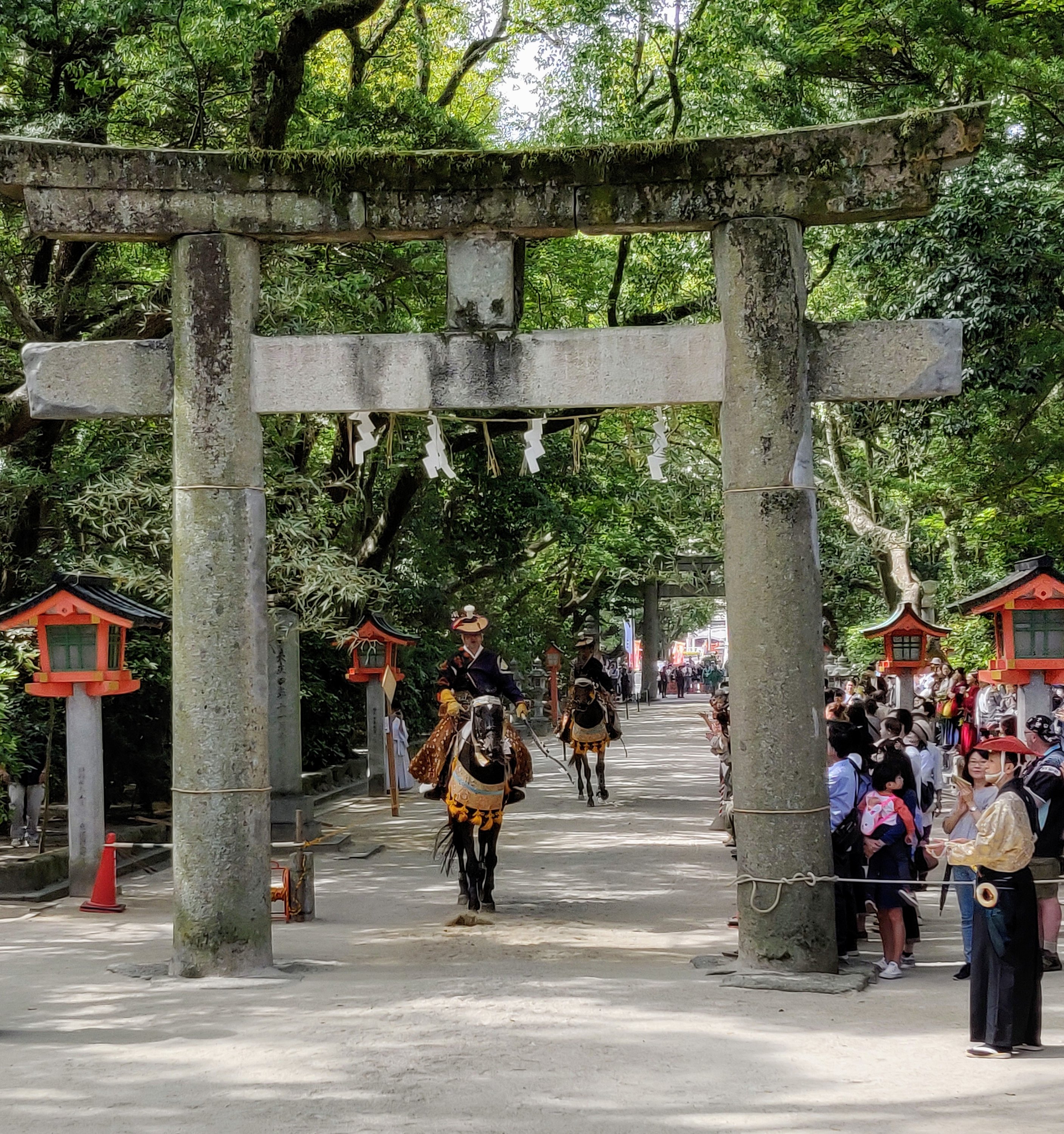
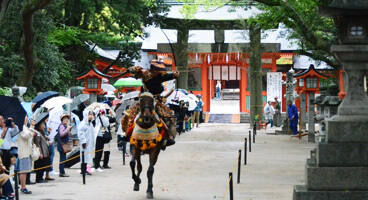
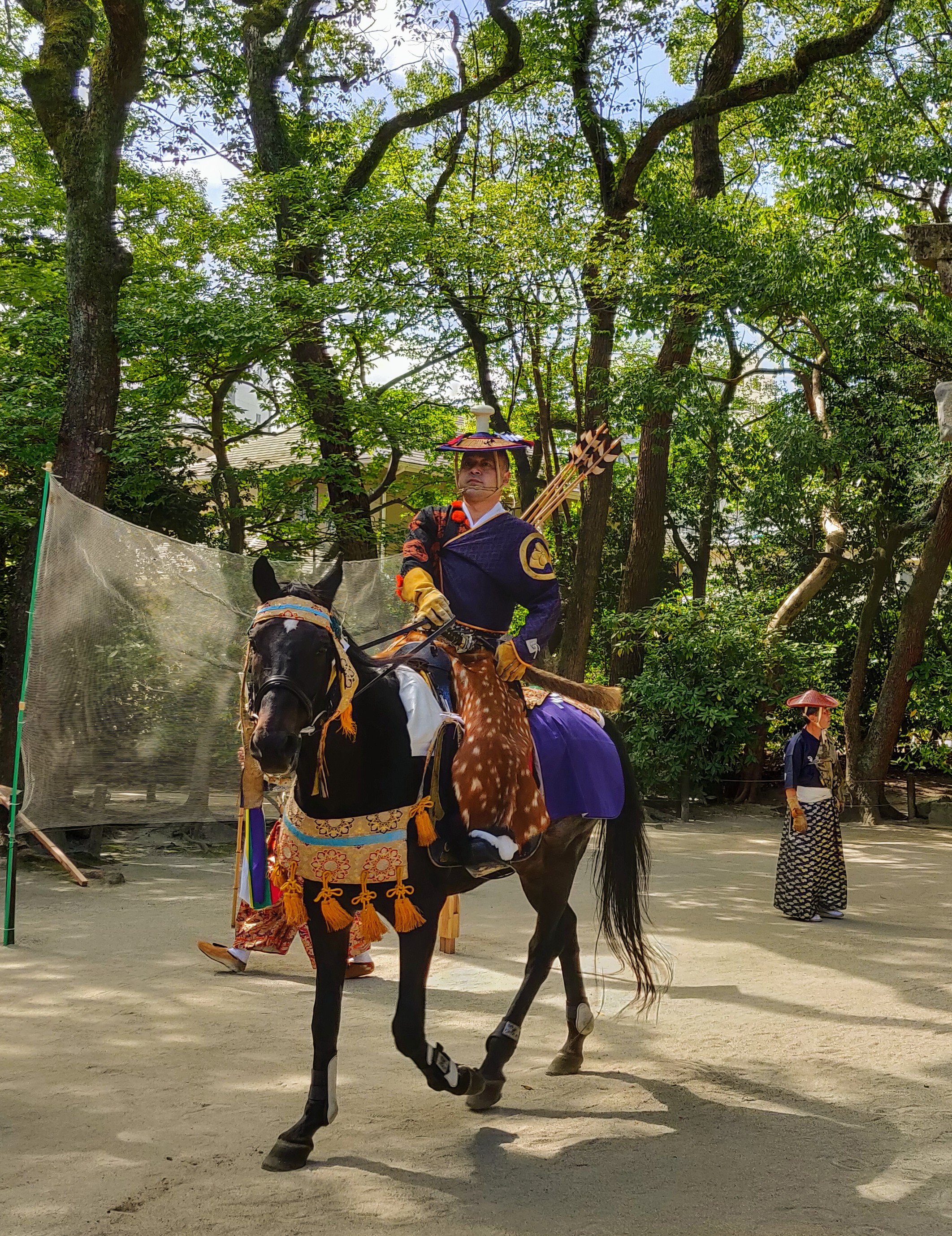

From the shrine website it appears this is ceremony commerates Emperor Jin Gong going to Korea… he was grateful for his safe return due to the sacred virtue of Sumiyoshi Daijin, and comforted his sacredness with “sumo” and “fluid horse”. There appeared to be three parts to each part of the ceremony, maybe something to do with the three god’s….

Spent lots of time here then we moved on…. to….
Kami-Kawabata is Hakata’s oldest shopping arcade is about 400m long with approximately 130 shops selling a variety of traditional and other goods as well as numerous food outlets.

A couple of blocks over we came to the Shofukuyi Temple which has the distinction of being the first Zen temple constructed in Japan. It was founded in 1195 by the priest Eisai, who introduced the Rinzai sect of Zen Buddhism from China into Japan. The temple buildings are not open to visitors but the grounds are attractive and peaceful to walk through.
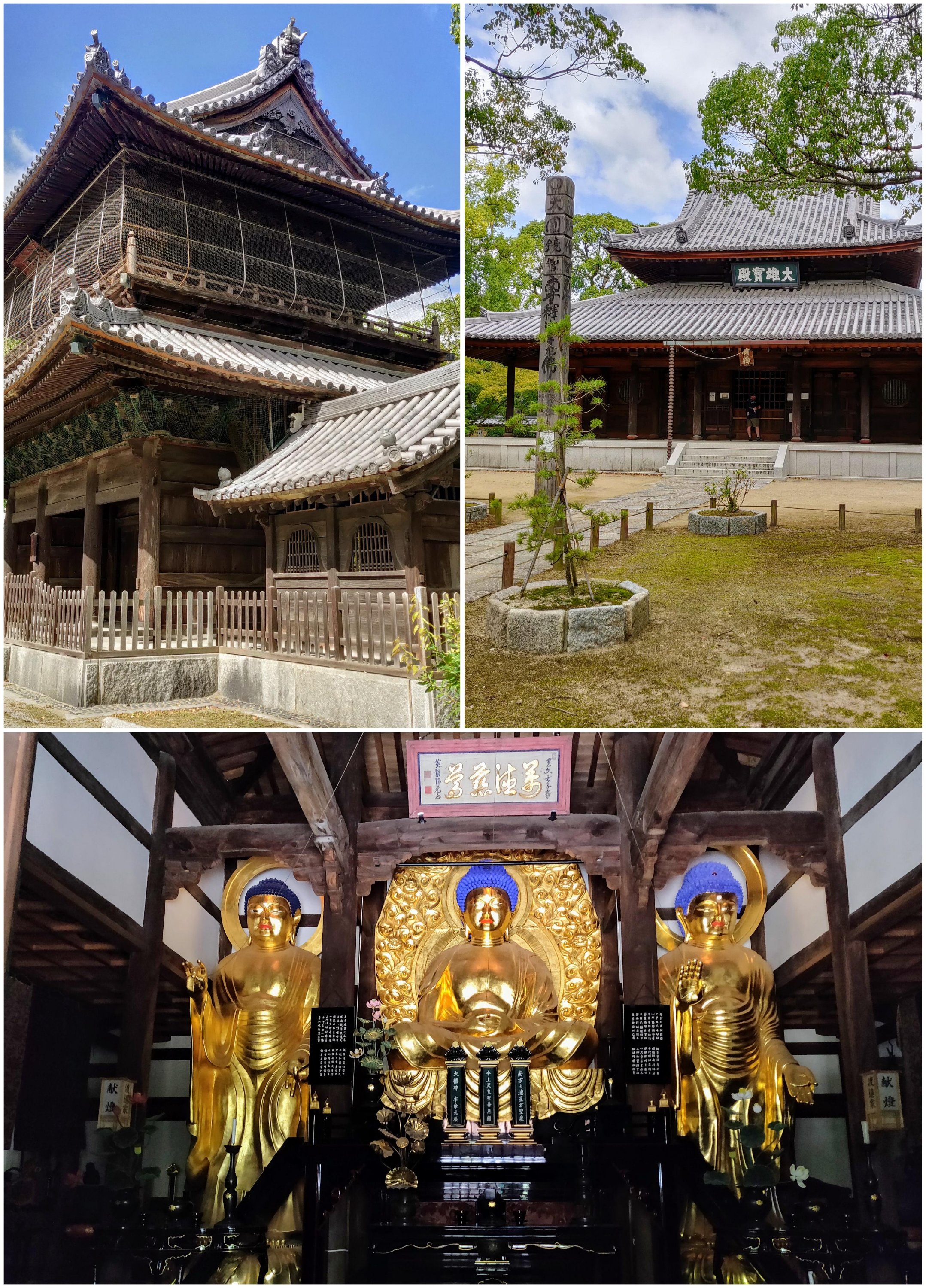
Next door to Shofukuji is Myorakuji Temple which was founded in 1316. When seen from the sea, it looked
like a stone castle, therefore it won the honorific title of “Sekijozan”, or Stone Castle Mountain. The temple was originally built on the shore of Hakata Bay and was an important venue for providing accommodation for Japanese envoys to the Ming Dynasty. The temple was later destroyed in war, and transfered to its current site by Kuroda Nagamasa, the first lord of Fukuoka Domain.

Maybe, like me you have been wondering what the difference is between Shinto Shrines and Buddhist Temples. Here is the easiest explanation I can find….
From triple lights.com
Shinto is Japan’s indigenous religion based on the worship of nature. Shinto is polytheistic and has no founder and no script. Shinto’s most important thing is purity. Shinto deities are enshrined in shrines.
Buddhism was introduced through China and Korea to Japan in the 6th century, and it was founded by Buddha and has script. Buddhism teaches how to reach the enlightenment. The statue of Buddha or various kinds of Buddhist deities are worshiped at temples.
So now you understand that Shrine is for Shinto and Temple is for Buddhism, OK!?
And just round the corner from these shrines/temples was Todaij – “Great Eastern Temple” It is one of Japan’s most famous…

Until recently, Todaiji’s main hall, the Daibutsuden (Big Buddha Hall), held the record as the world’s largest wooden building, despite the fact that the present reconstruction of 1692 is only two thirds of the original temple hall’s size. The massive building houses one of Japan’s largest wooden statues of Buddah. The 15 meters tall, seated Buddha represents Vairocana and is flanked by two Bodhisattva – sorry, no photos allowed!

After lunch there was a walk in the park…
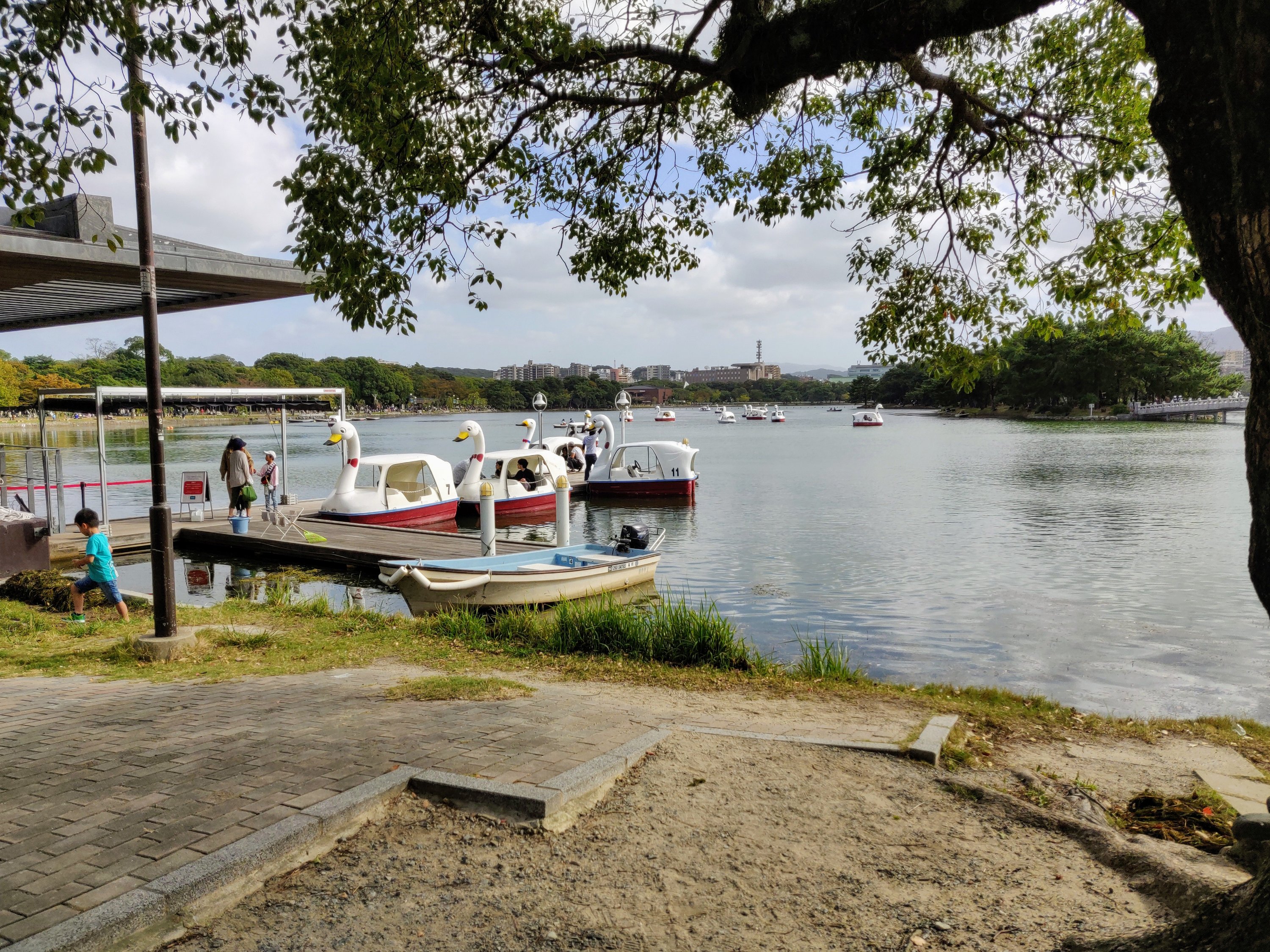

And a visit to the ruins of Fukuoka castle which we all found underwhelming!
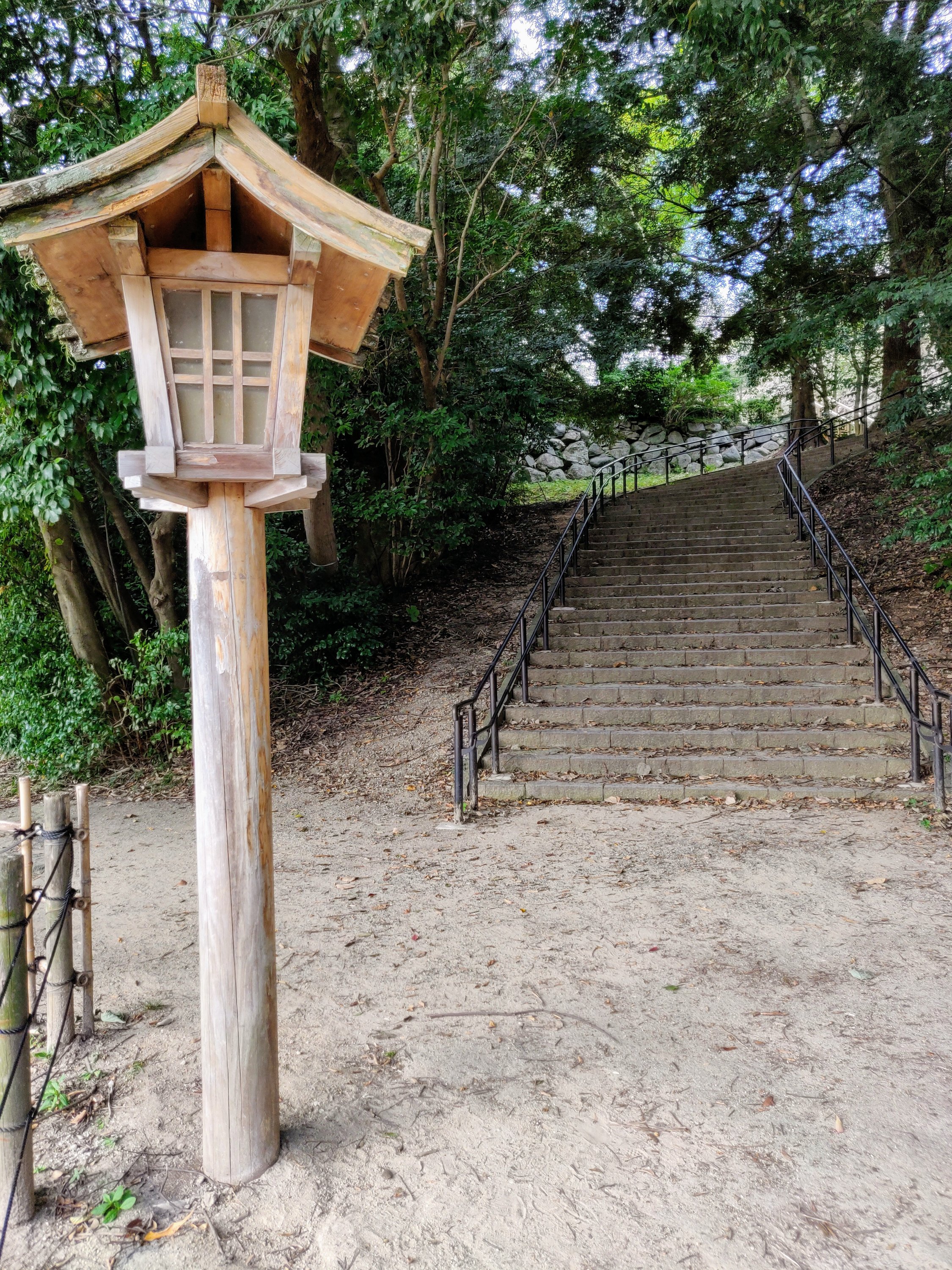
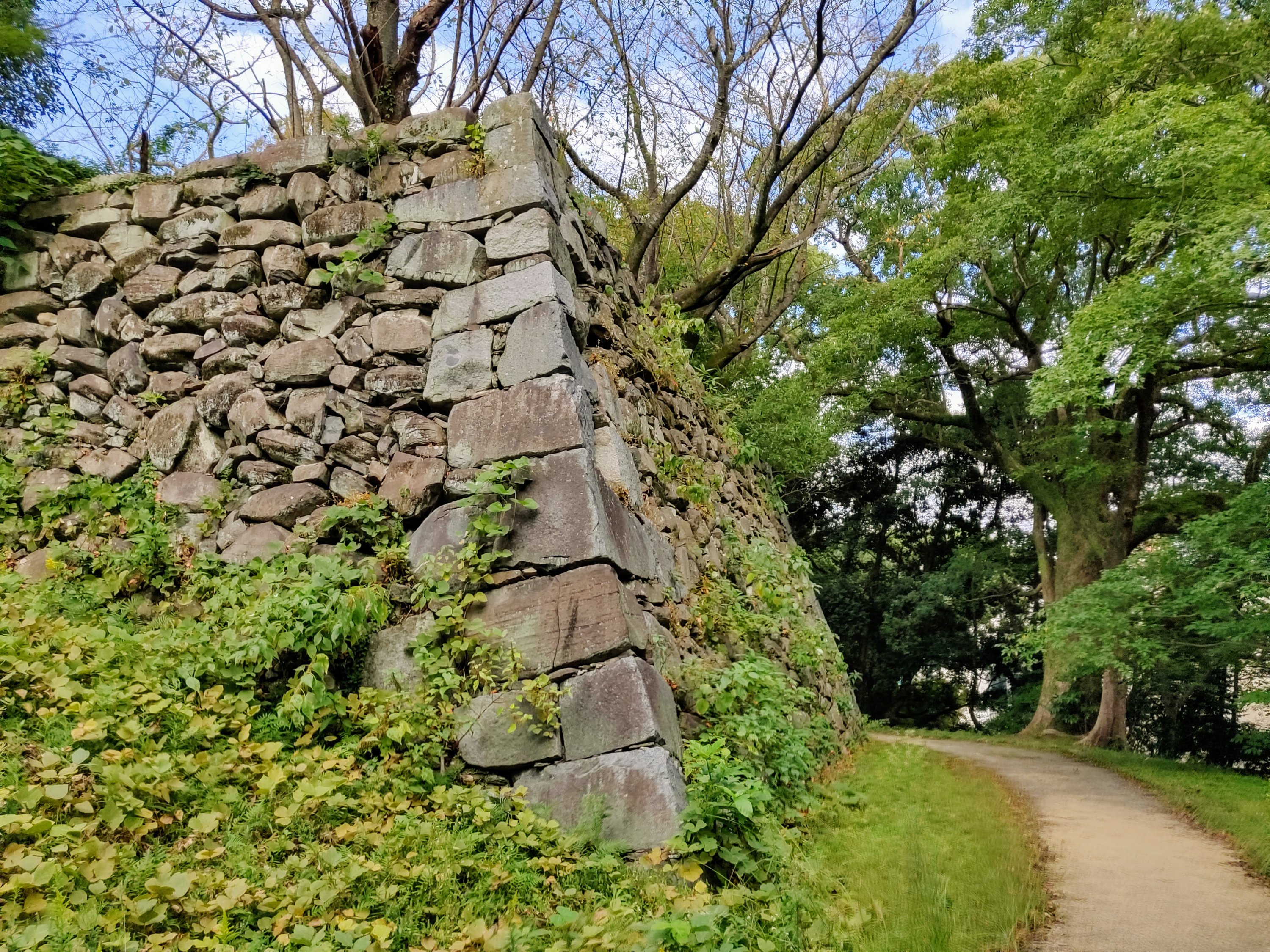
By this time we were knackered and decided to make our way back to the hotel for a wld (wee lie down) before dinner. Charged with getting us there T followed his trusty Google maps and the signs at the train station only to bring us out at the wrong side! What a blessing in disguise….
Within 500 yds of our hotel, in a direction we hadn’t been, we came across a advertising board for a restaurant with a big A4 notice stuck to it saying “rugby and yakitori”. Have I already mentioned how difficult it is to see matches in Japan? The guys went in to see what the story was and secured us a seat in front of the television for the Japan Scotland match.

With a couple of groggy heads the next morning it was an early start to the airport for our return to Tokyo.


Back in Tokyo we have had a lovely couple of days…
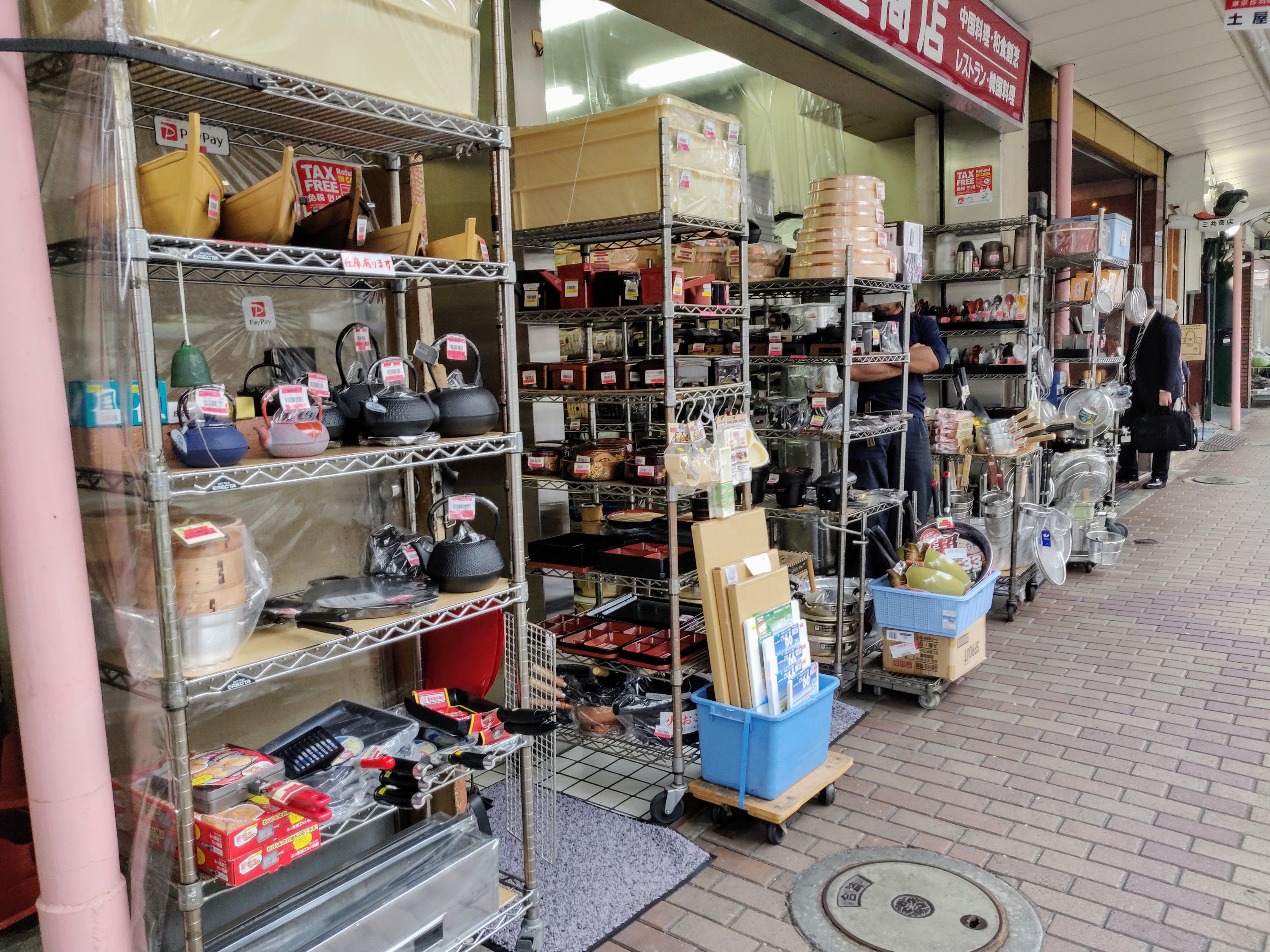
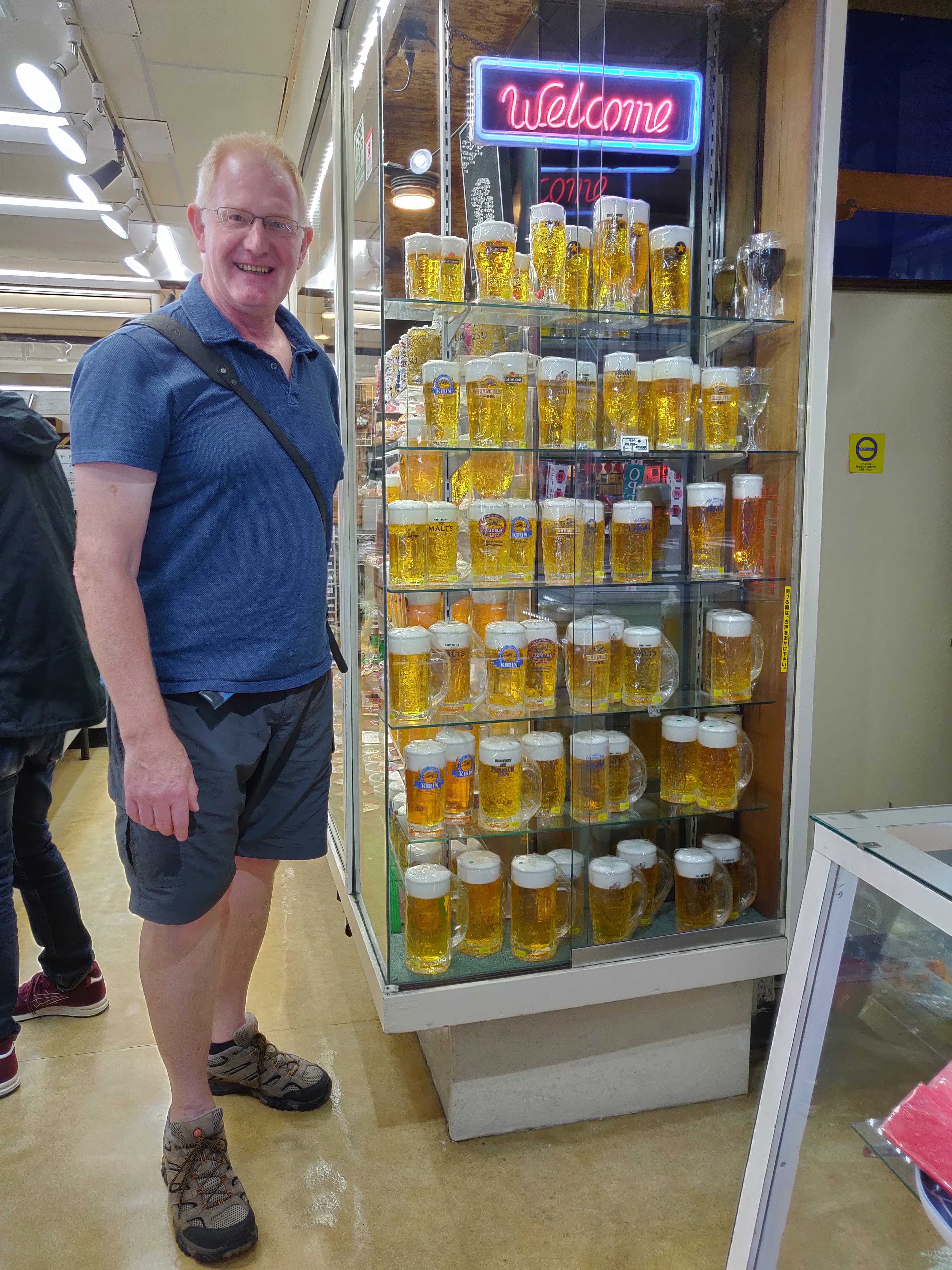
A visit to Kappabashi Street where you will find absolutely everything for the restaurant trade and home kitchen – even plastic and wax food samples, used by many restaurants in their show windows. Only disappointment was the fact we have no room in our luggage and another four weeks travelling or I would have a whole new range of Japanese kitchenware I didn’t know I needed until now!

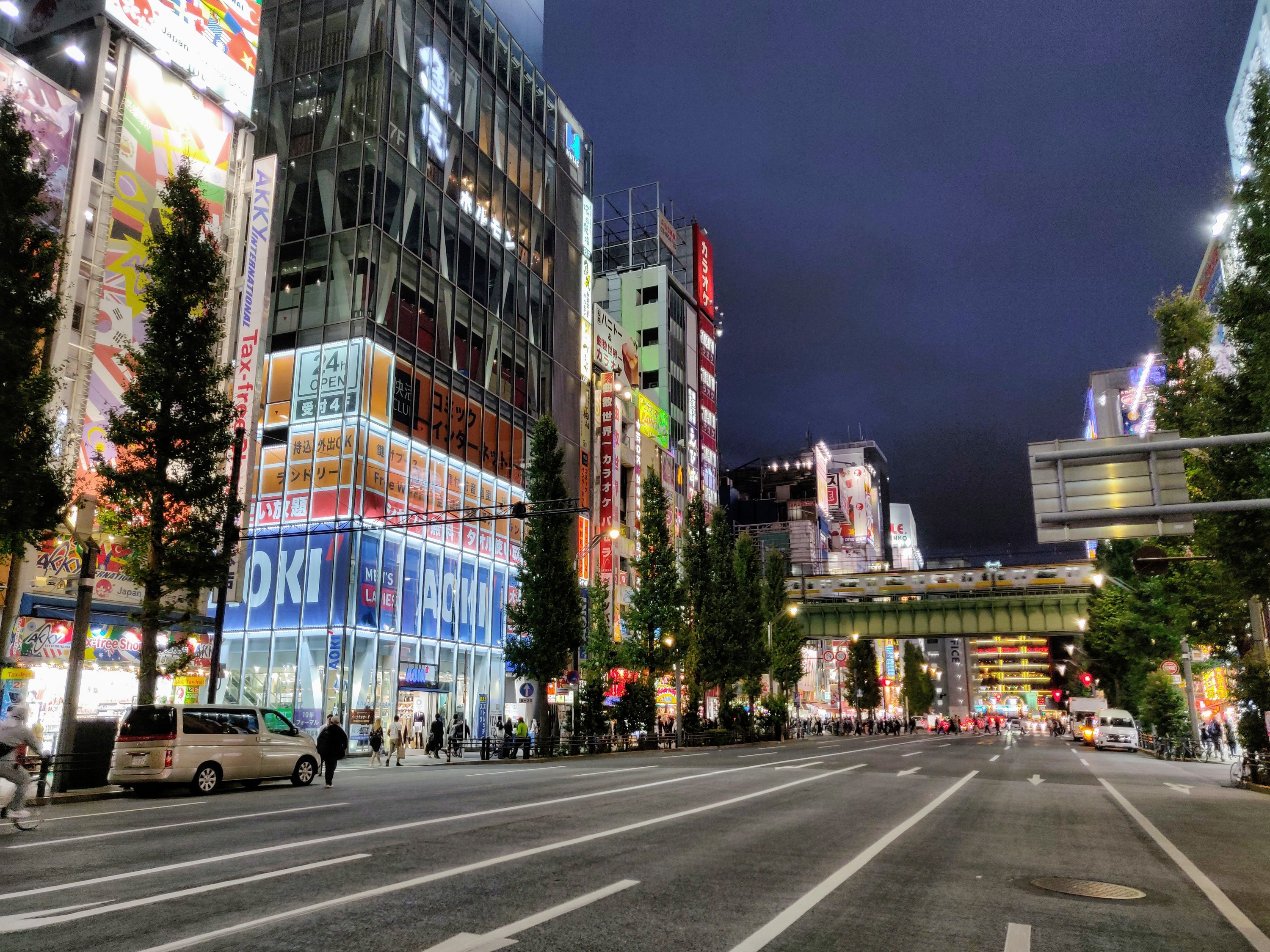
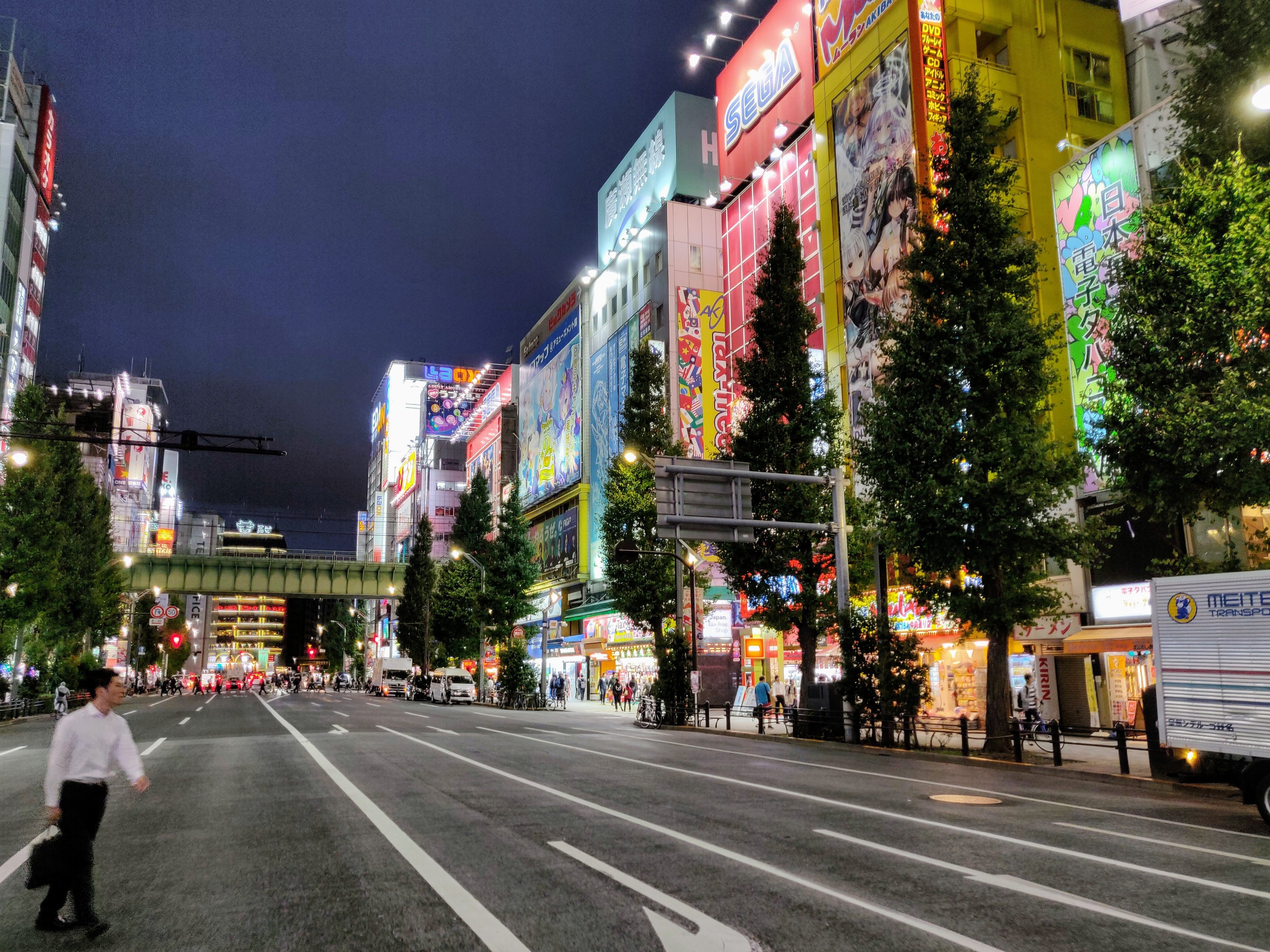
Electric city – Akihabara – famous for its many electronics shops and a must see spot after dark to get the full impact of the thousands of neon signs! The place is absolutely buzzing with activity and lots of young girls advertising restaurants and shops. There are literally hundreds of electronics shops, ranging from tiny one-man stalls specializing in a particular electronic component to large electronics retailers and chain stores.
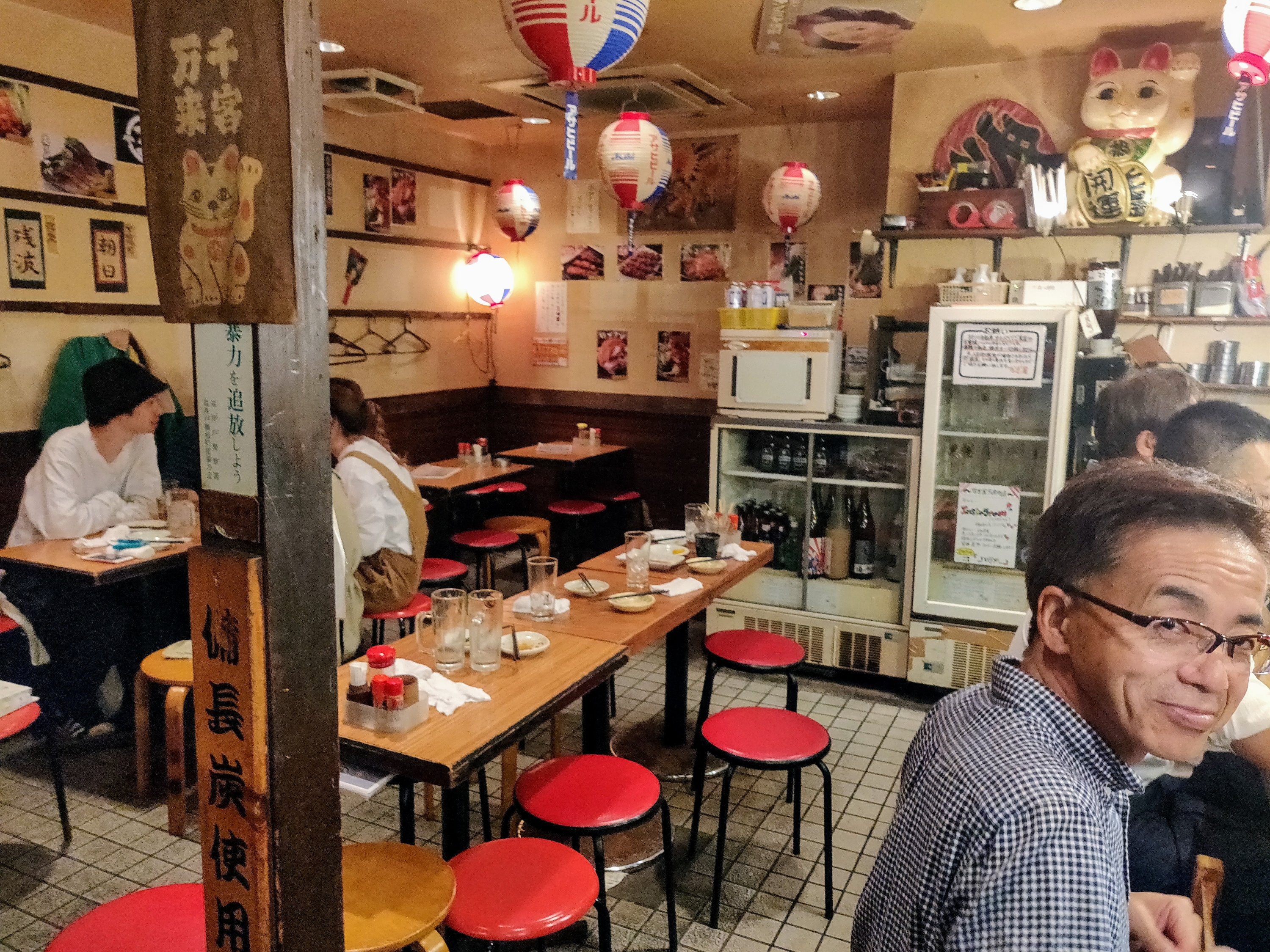
Special lunch finds…. Sakura Tei a quirky Okonomiyaki restaurant in Shibuya
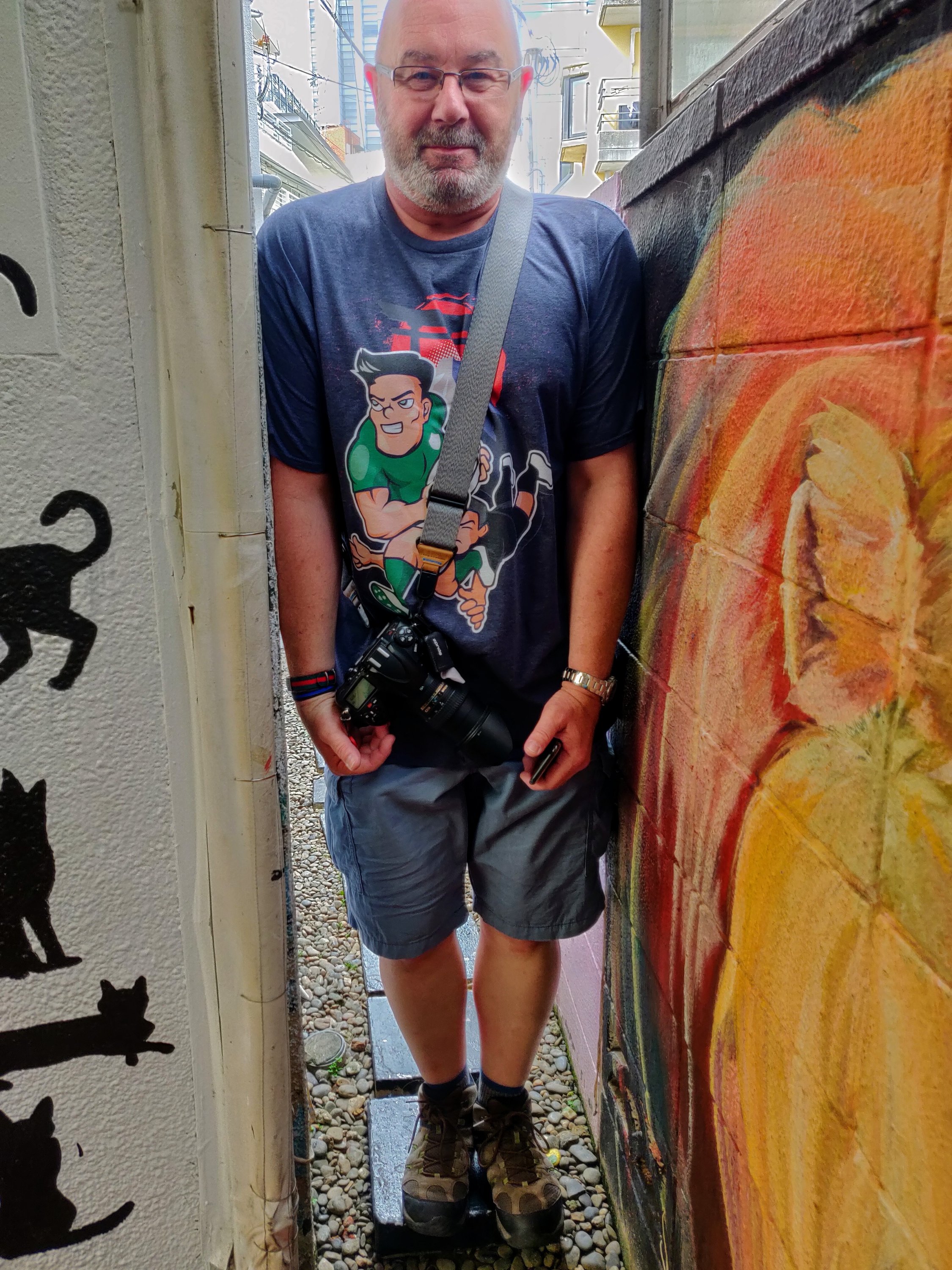

I could go on forever but now it is time to say goodbye to Japan and move on. We have had the most fantastic time. The country is beautiful and the people very special. The lady on the train who was very interested in our journey and the man up the lamppost with the key to adjust the traffic lights! We have so many memories and stories.
To Tomoko and Sarah, we are very grateful to you for your hospitality, sharing your home with us and sorting out my medical emergencies – those pesky little bugs got me again!
To Trevor and Michelle for sharing this experience with us and for all the planning. Thank you xx

To Wikipedia, Google, Lonely Planet, Japan-Guide, Time-Out and numerous web pages of the places we visited for the facts and figures!
To our family and friends who support us and read these ramblings! We, the bears’ are very blessed with health and wealth and happiness. The cases are packed and we are ready for our next adventure!
 H&P Adventures
Wonderful finale to the fantastic first leg of your trip.
Here’s to the rest
Safe travels my friends.
LikeLiked by 1 person