

Two and a half hours on the bullet train from Tokyo to Kobe, a distance of 312 miles flew in. We had a chance to see some of the countryside and Mt Fuji. Negotiating the trains and underground was a bit more challenging in Kobe as there was less English about the signs but we managed to find our way to our hotel and dumped our bags before going exploring.


I wasn’t going to mention our hotel but I think it is worth a bit of a chuckle for some of you. It was handy to the train, the room was spacious and comfortable with air conditioning and an array of brochures and information. Only problem was everything was in Japanese! We were to order our breakfast using a tablet device but it proved too difficult. We didn’t want to open the window screens which was a good job as the views were of industrial areas.
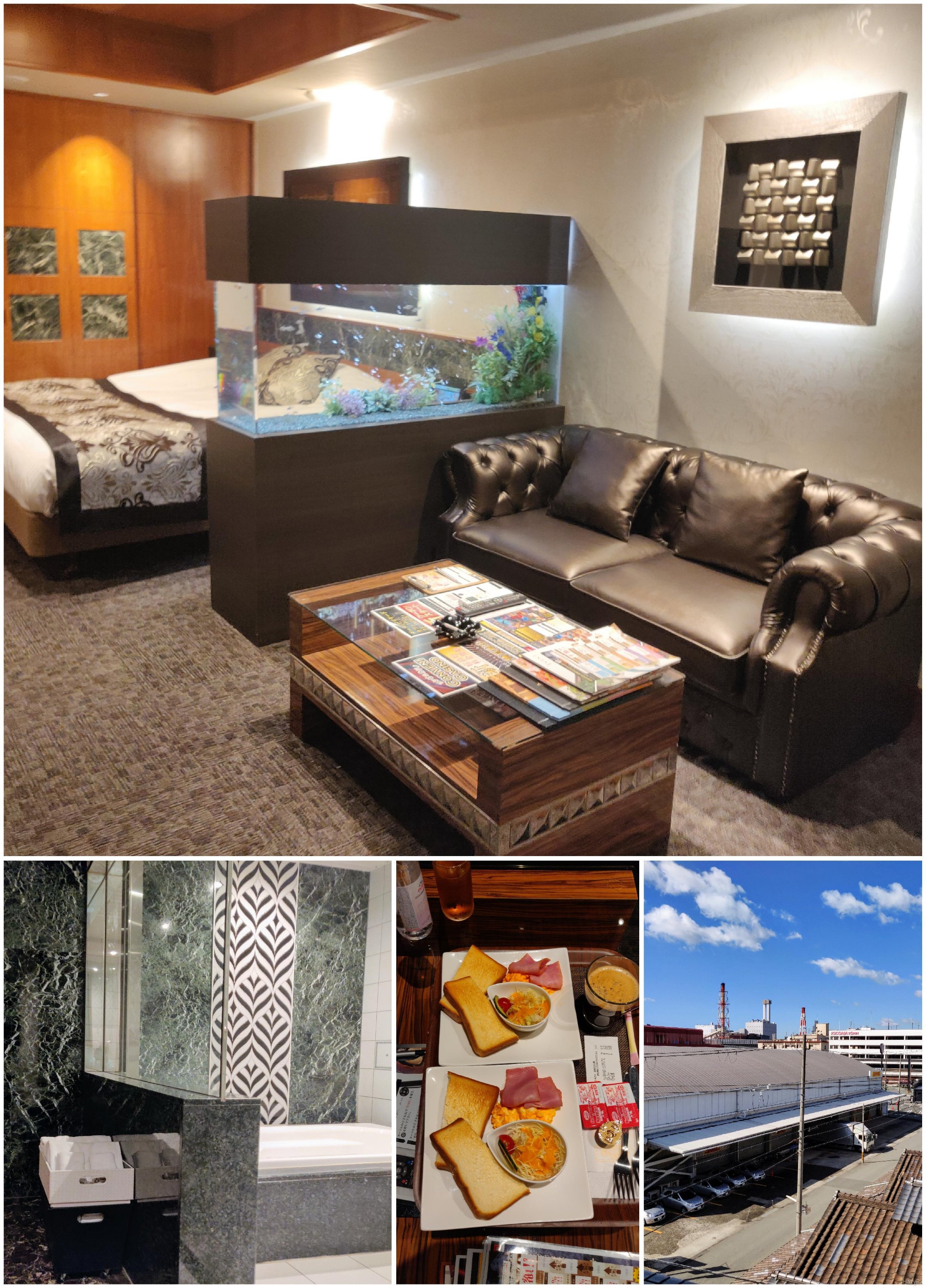
Then there was the items in discreet black boxes beside the bed and the brochures of items you could buy and it dawned that the “adult only”hotel we had been booked in to didn’t mean – no children…. It was a whole different place altogether 🤣😮😃

Sake
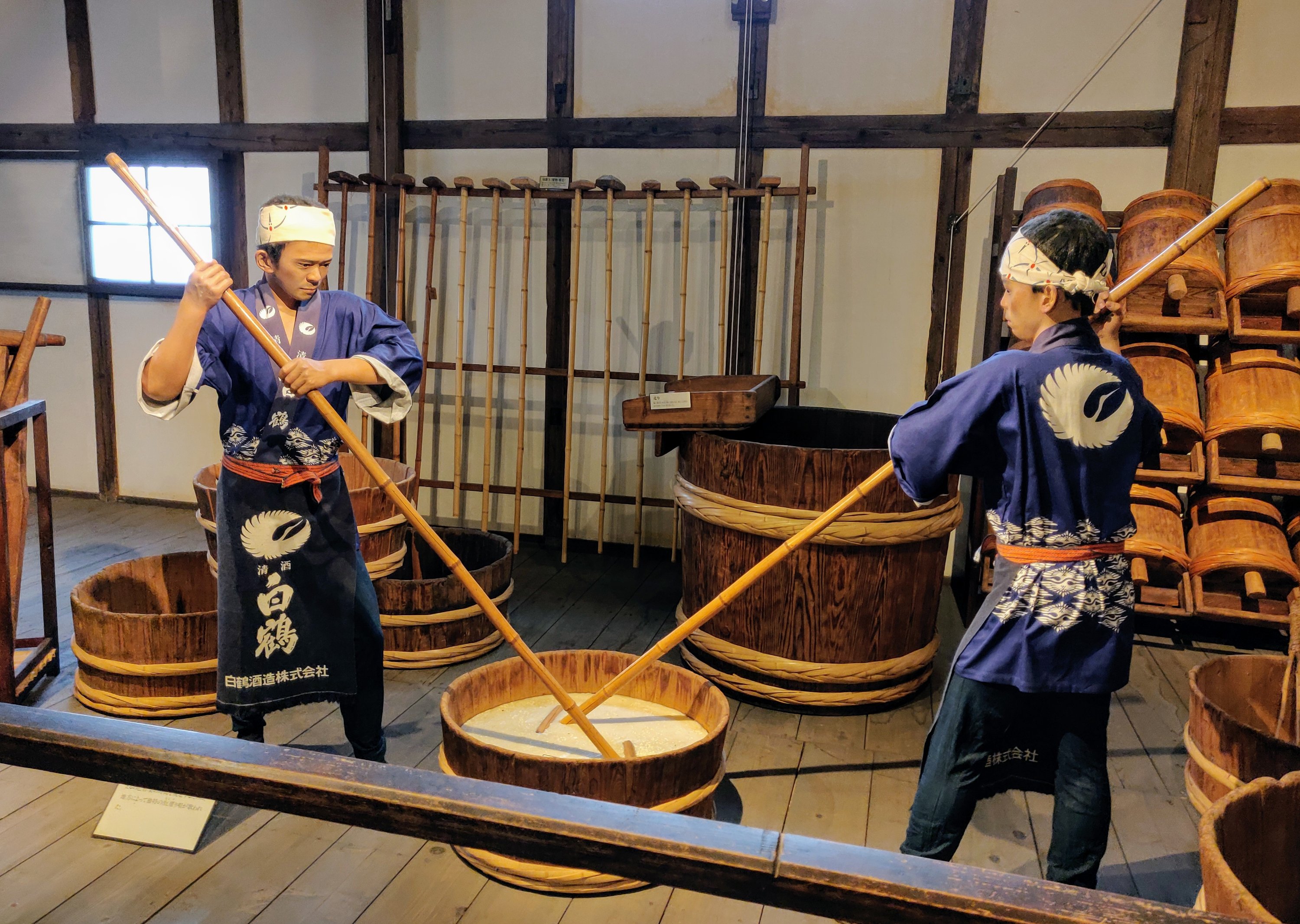
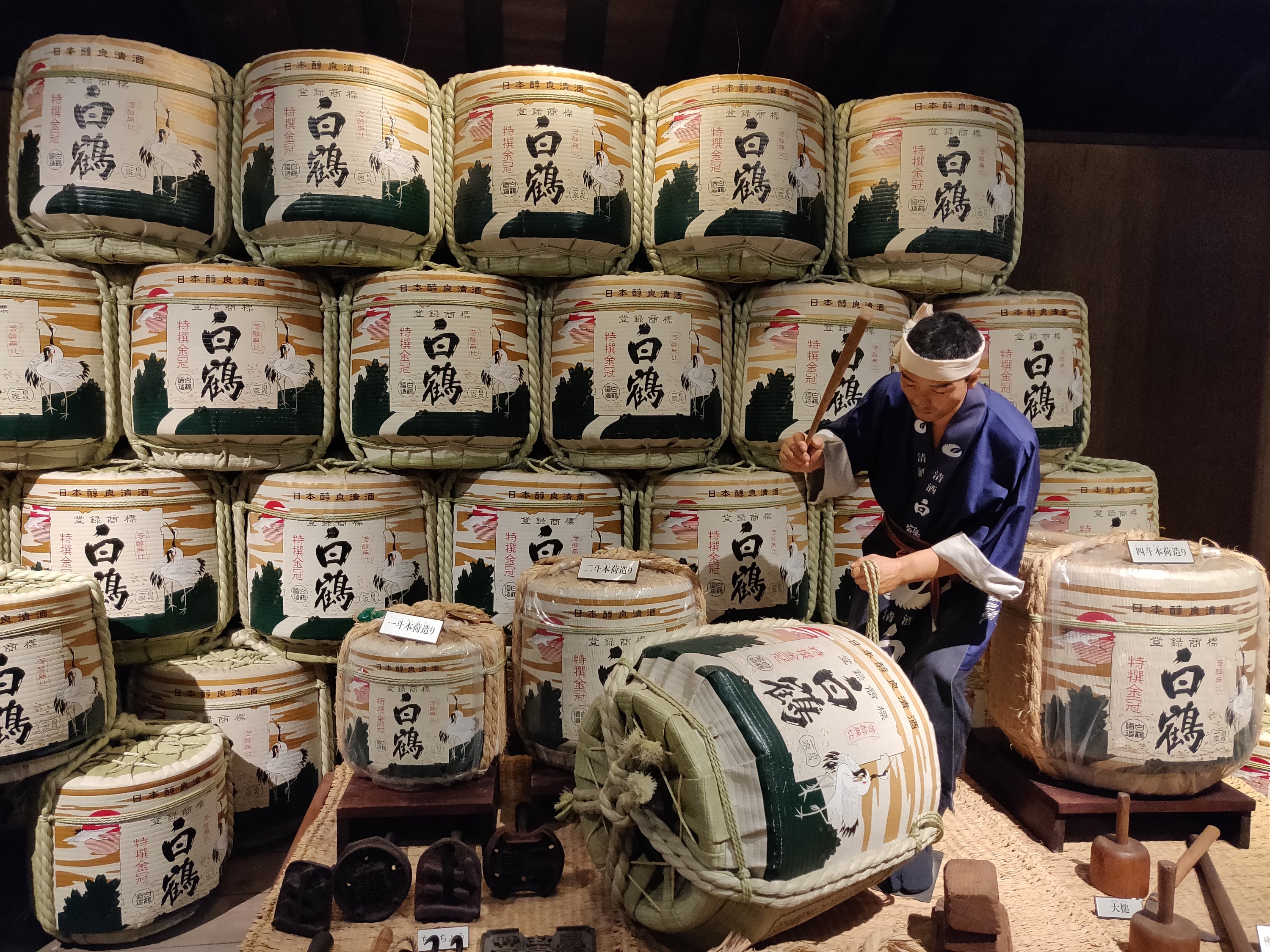
The first stop on our exploration was to Hakutsuru Sake museum, courtesy of Lonely Planet. Sake is Japanese rice wine, an alcoholic beverage made by fermenting rice hat has been polished to remove the bran. Despite the name, unlike wine, in which alcohol is produced by fermenting sugar that is naturally present in fruit, sake is produced by a brewing process more akin to that of beer, where starch is converted into sugars, which ferment into alcohol. It was a short exhibition with excellent full size diorama exhibits and a help yourself tasting bar at the end…. that was the best bit for Paul, not like the one glass at Bushmills.
Today the process is completely automated but we didn’t get to see it!


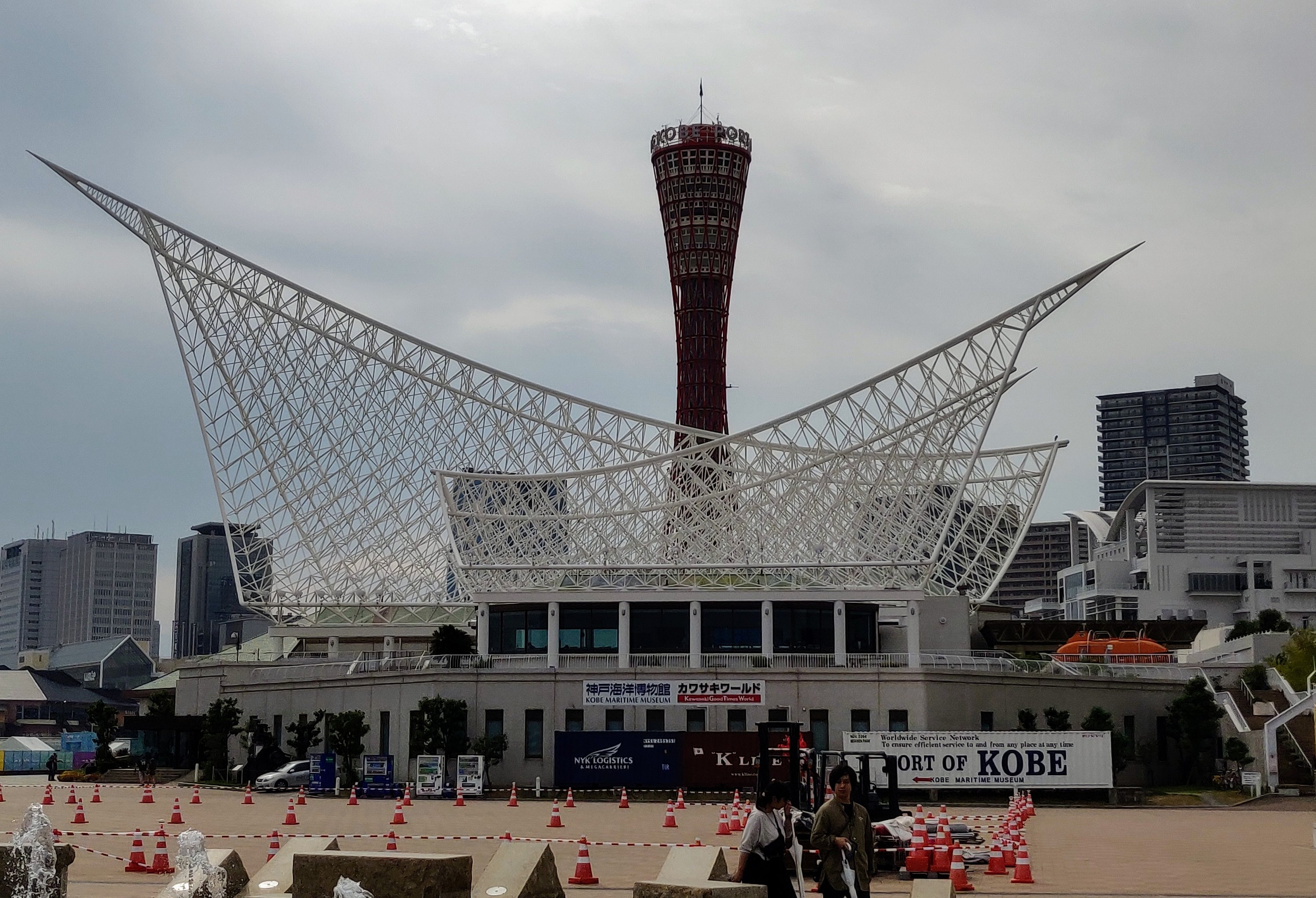
Meriken Park
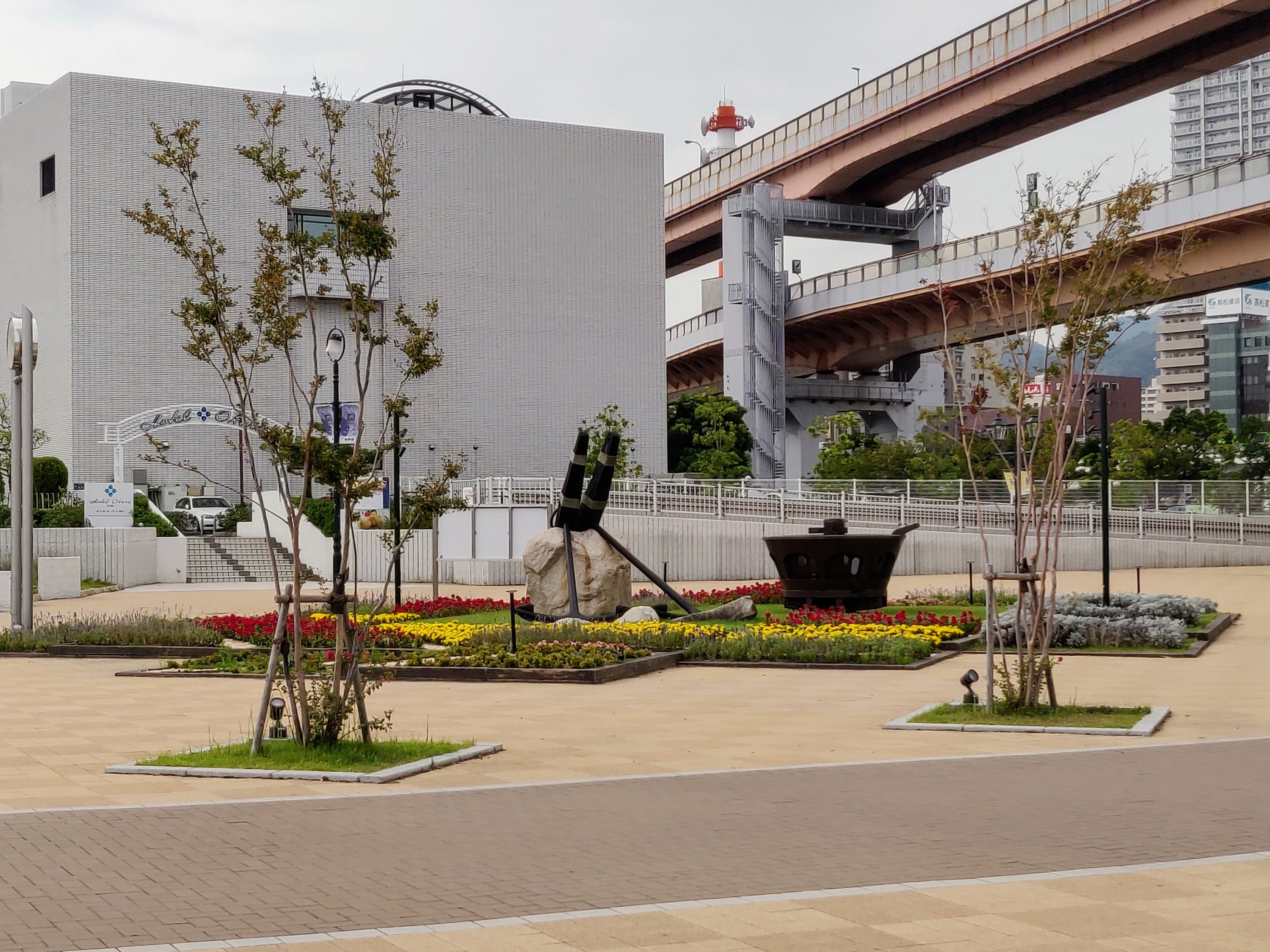
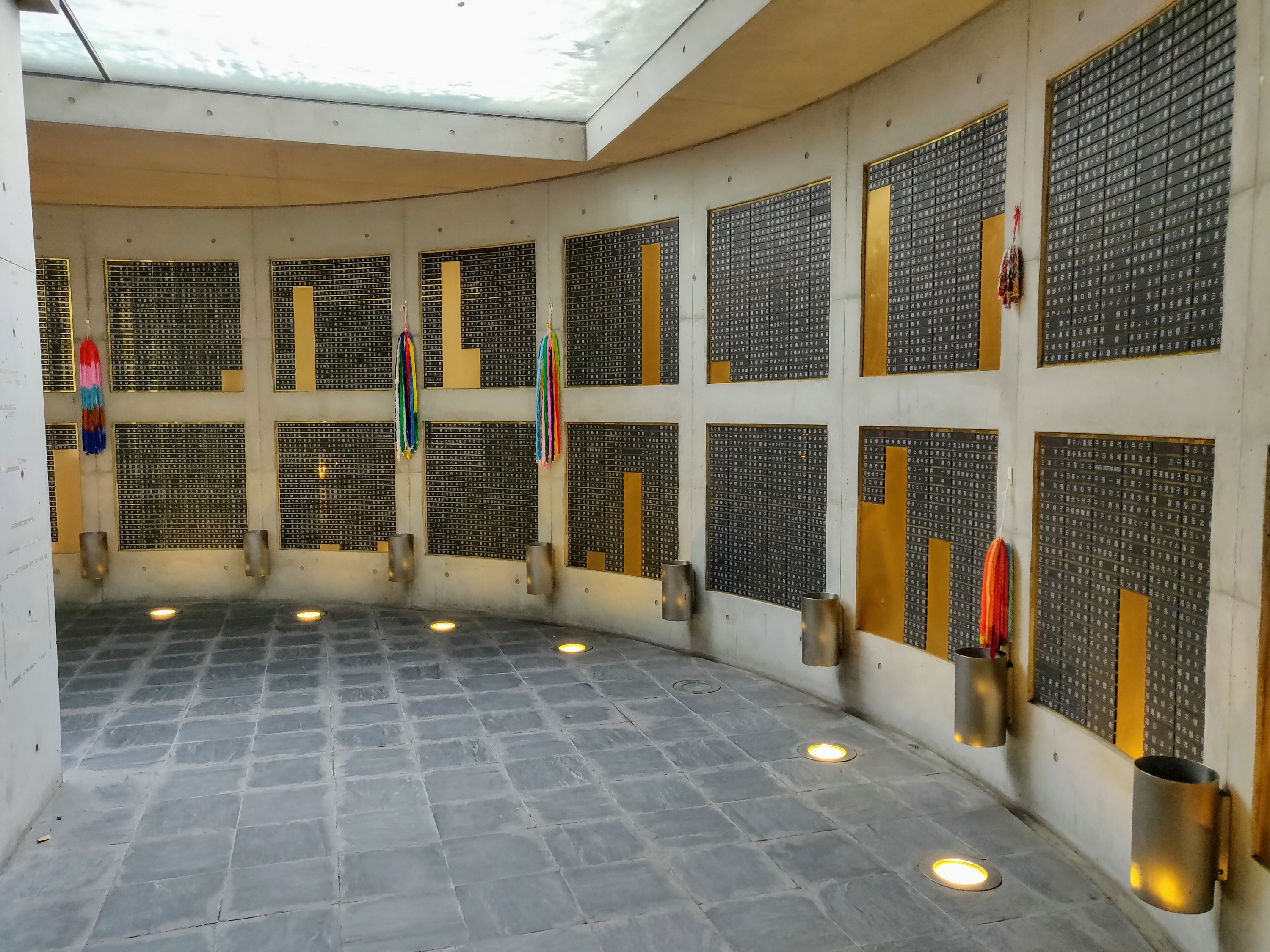
On 17 January 1995 at 0546hrs Kobe suffered an earthquake measuring 7 on the JMA Seismic scale. The tremors lasted for approximately 20 seconds. The centre of the earthquake was located 17 km beneath its epicenter, 20 km away from the center of the Kobe. In Meriken Park there is an Earthquake memorial park. Part of the port side has been left as it was after the quake and there is an open air museum to commentate those who lost their lives.



Nunobiki Herb Garden
Accessed by cable car Kobe Nunobiki Herb Gardens are Japan’s largest herb gardens with around 75,000 herbs and flowers of about 200 kinds blooming throughout the year. There are 12 extensive garden areas where visitors are welcomed by seasonal herbs and flowers arranged according to different themes. Autumn and Halloween prevailing during our visit. Totally amazing place. We took the cable car up and walked down. The staff were surprised at this!! Took us about 1.5hrs to walk back down…. definitely recommend this route!
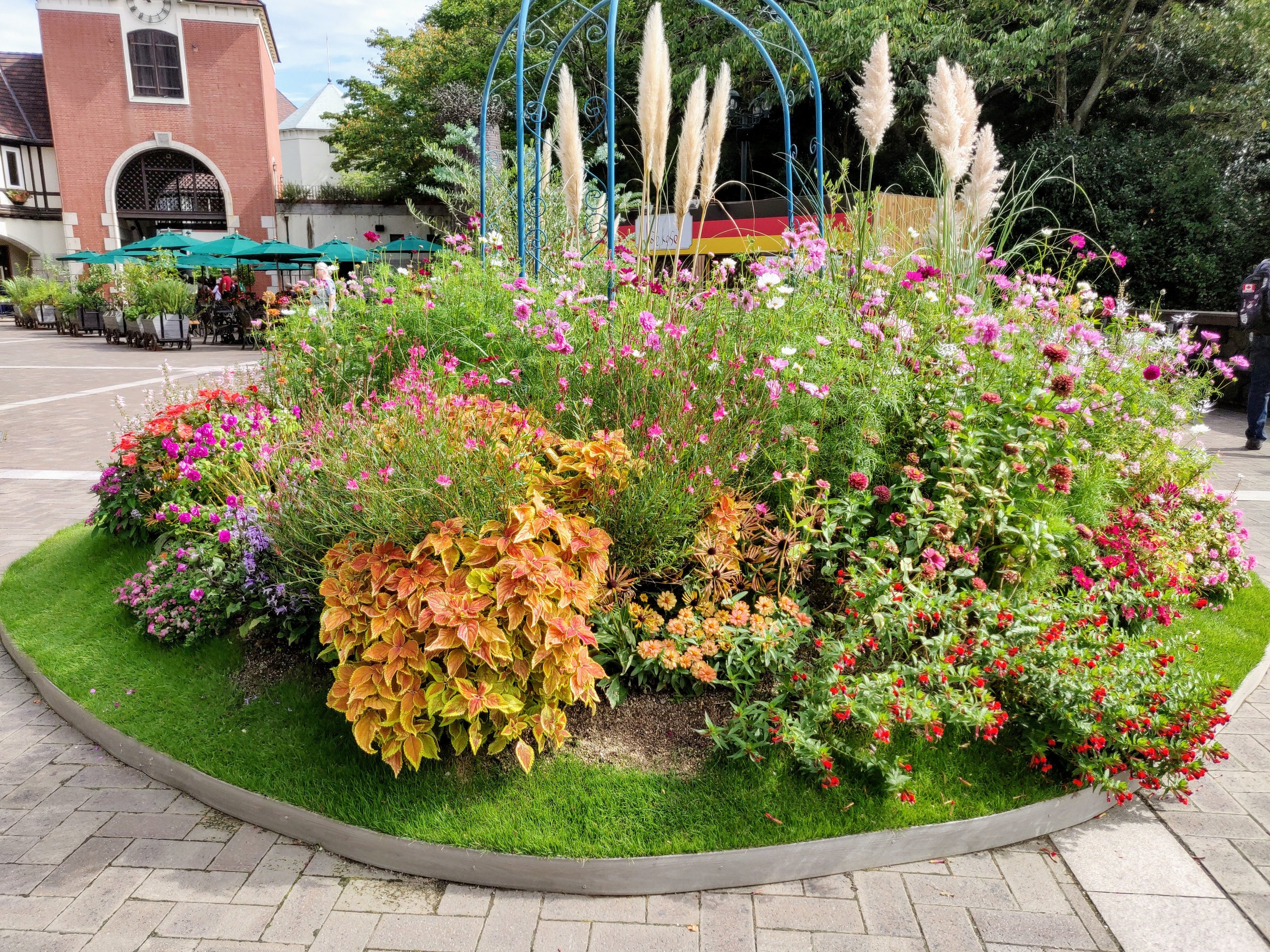


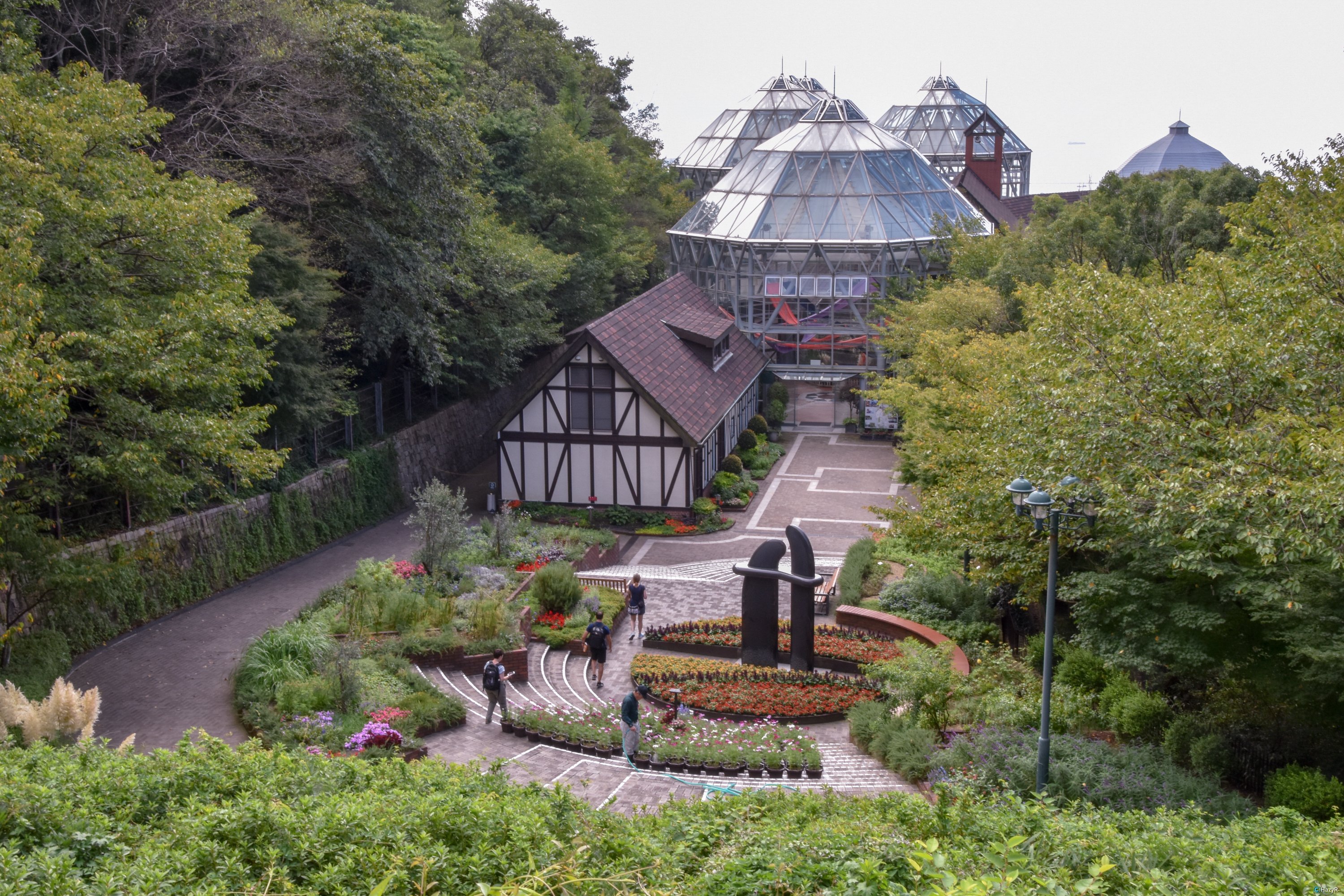


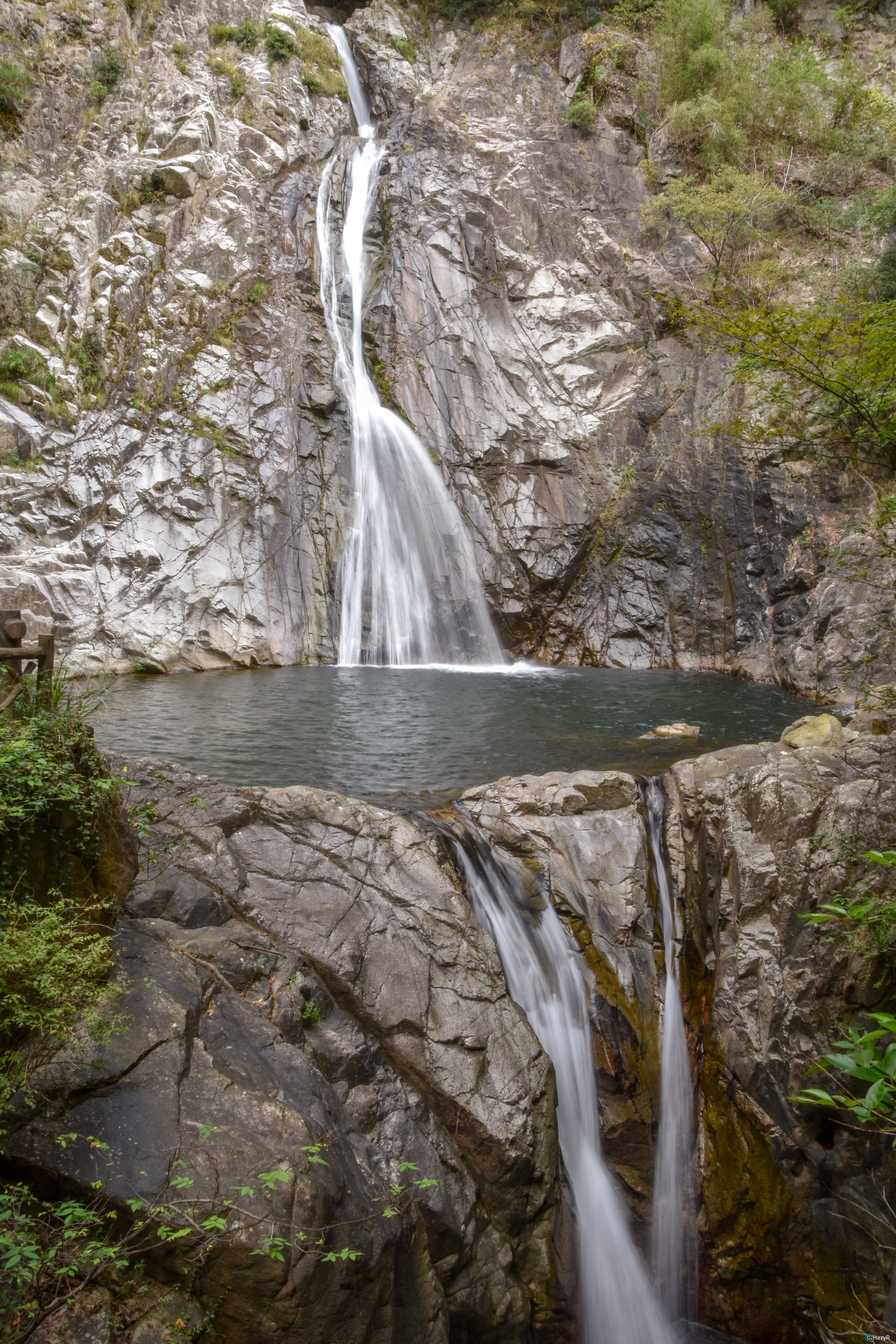
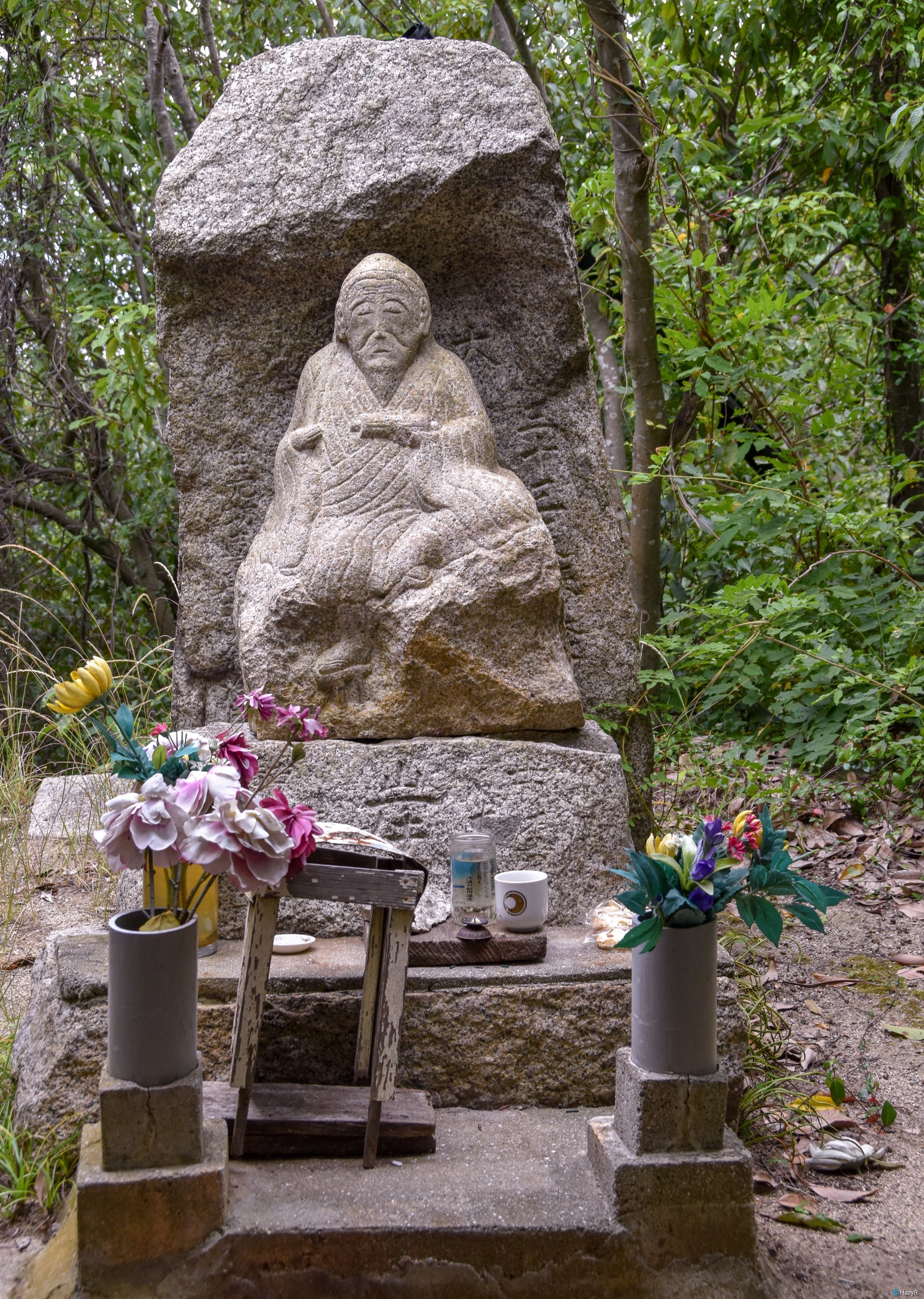

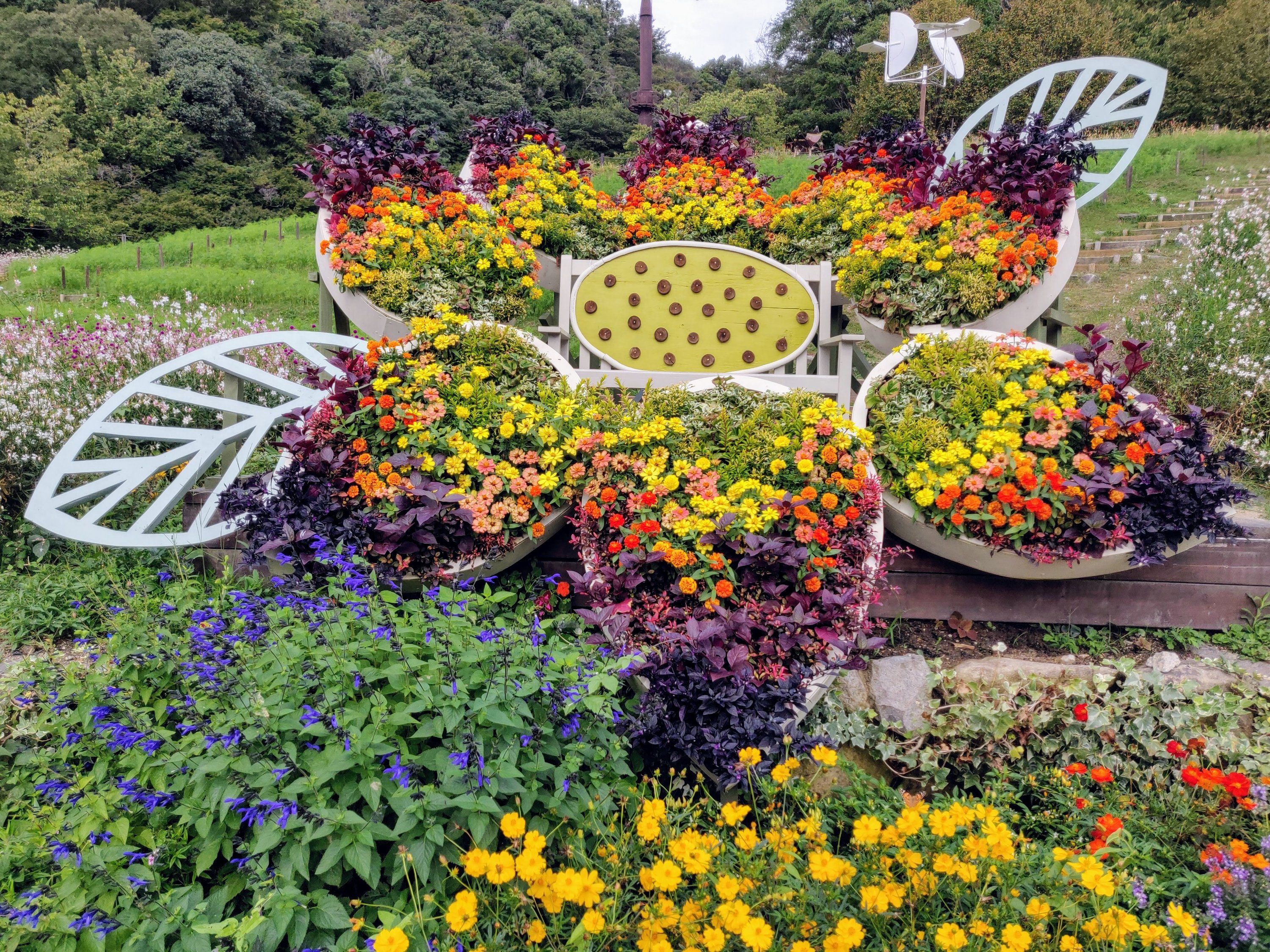


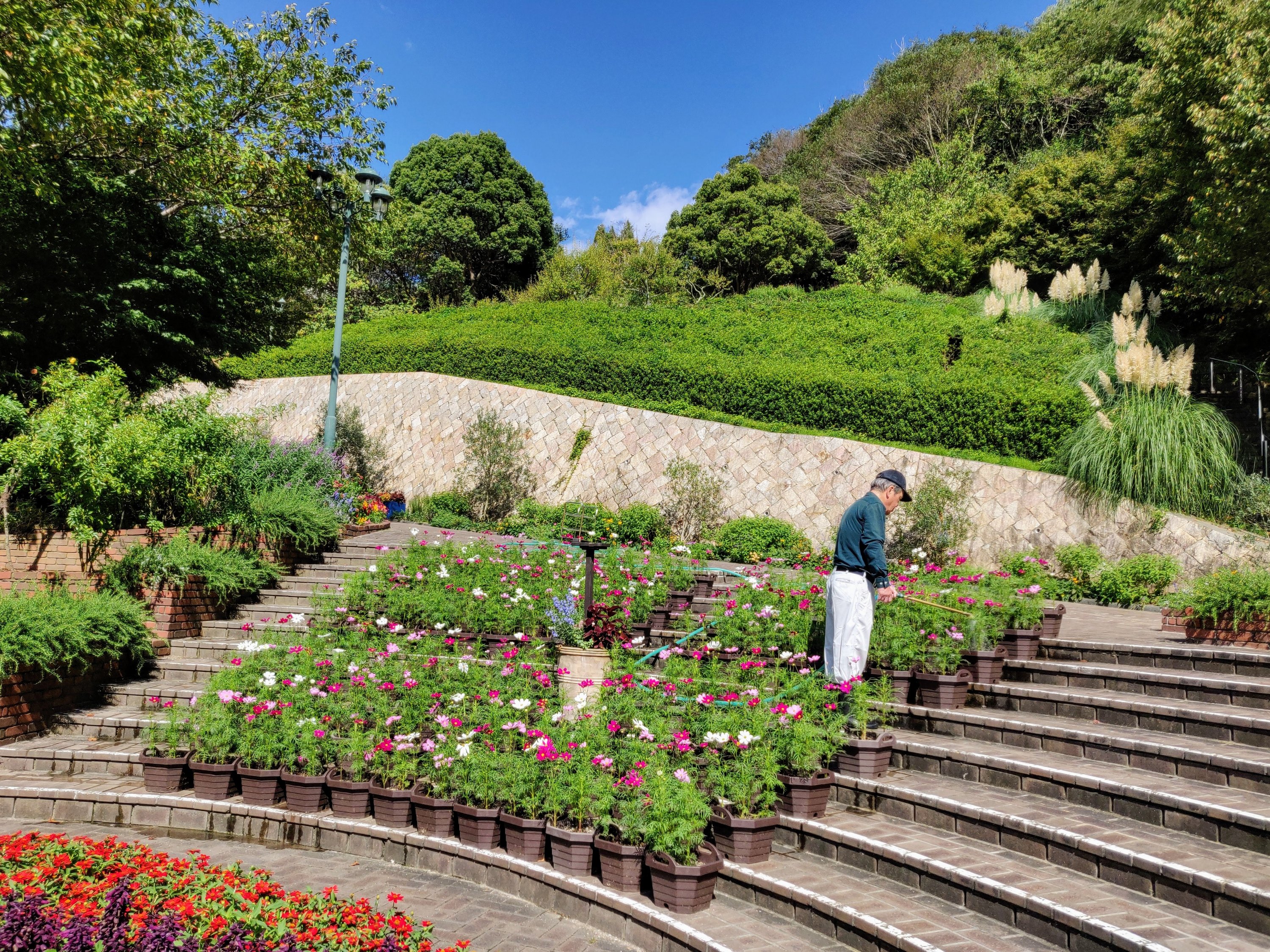

Could go on forever….. Put it on your list if visiting Japan!
City Hall Observation Tower
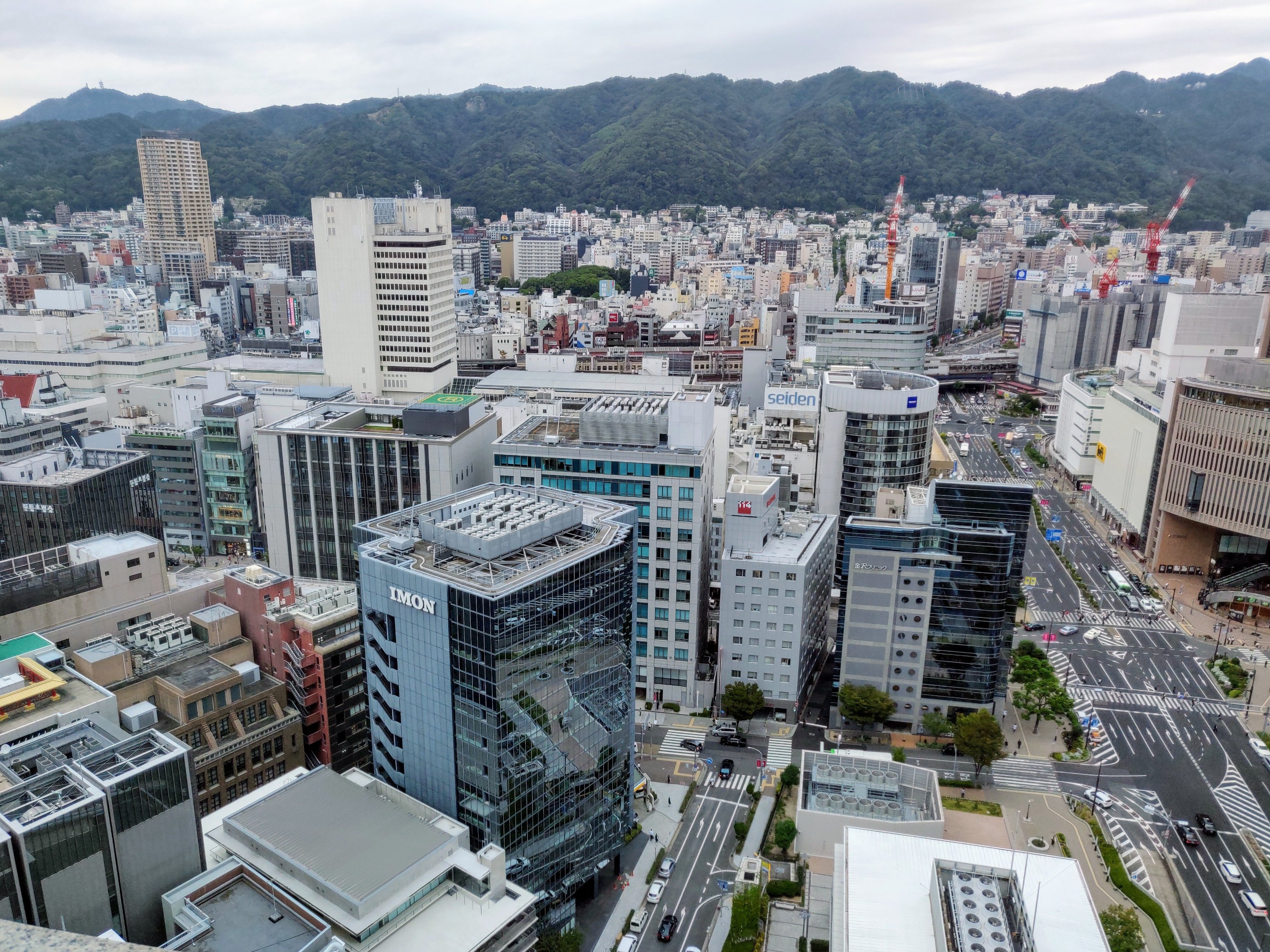
A freebee…. On the 24th floor of the City Hall the observation floor gives great views over the city…


“Everyone’s death”
The lights pointed here are 5:46 am on January 17, 2000, 10 fires from 10 cities and 47 fireworks from all over Japan, Pointed. 20104F117 1.17 Flame of Hope 5. 46am, 17th January 1995 The Great Hanshin Earthquake
This earthquake took many things, Lives, Jobs, Communities, Our Cityscape, Our Memories, These things appear safe, permanent, Even moments before, we cannot know
This earthquake left many things behind, Kindness, Compassion, Human Bonds, Friendship
This flame links the lives which were taken away.With our thoughts, the survivors.
Inscribed by Masami Horiuchi

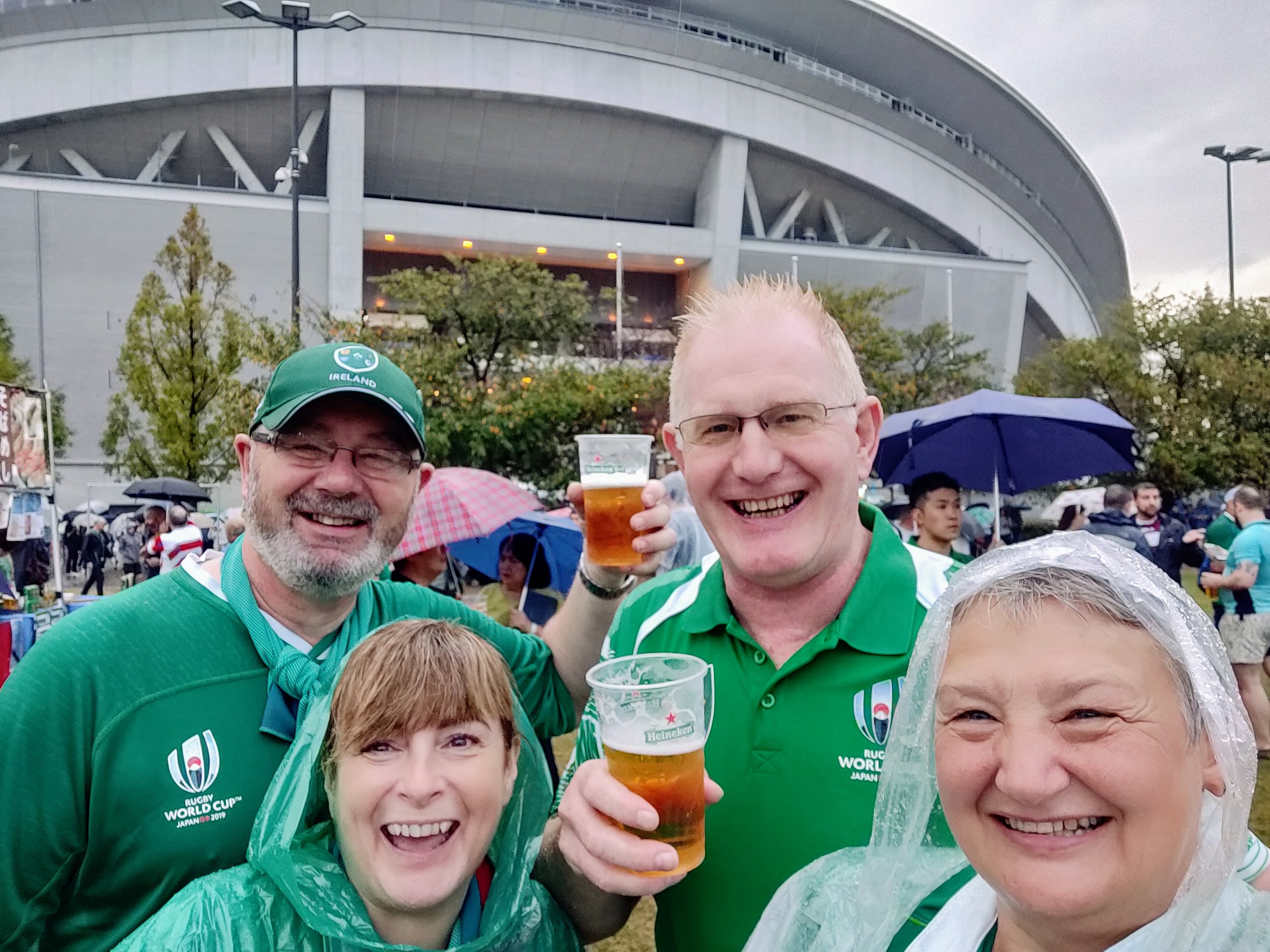
Rugby Match – Ireland Russia
Well, what can we say….. This Ireland team needs to get its act together… Other than that, we were SOAKED, the atmosphere was fantastic and at least we won!!!


Kyoto
The team travel guide (T) planned a day trip to Kyoto. 75 miles back up the rail tracks (I told you those Sucia cards would be important). Kyoto, once the capital of Japan, is a city on the island of Honshu. It’s famous for its numerous classical Buddhist temples, as well as gardens, imperial palaces, Shinto shrines and traditional wooden houses. Hard to fit it all in in a few hours.
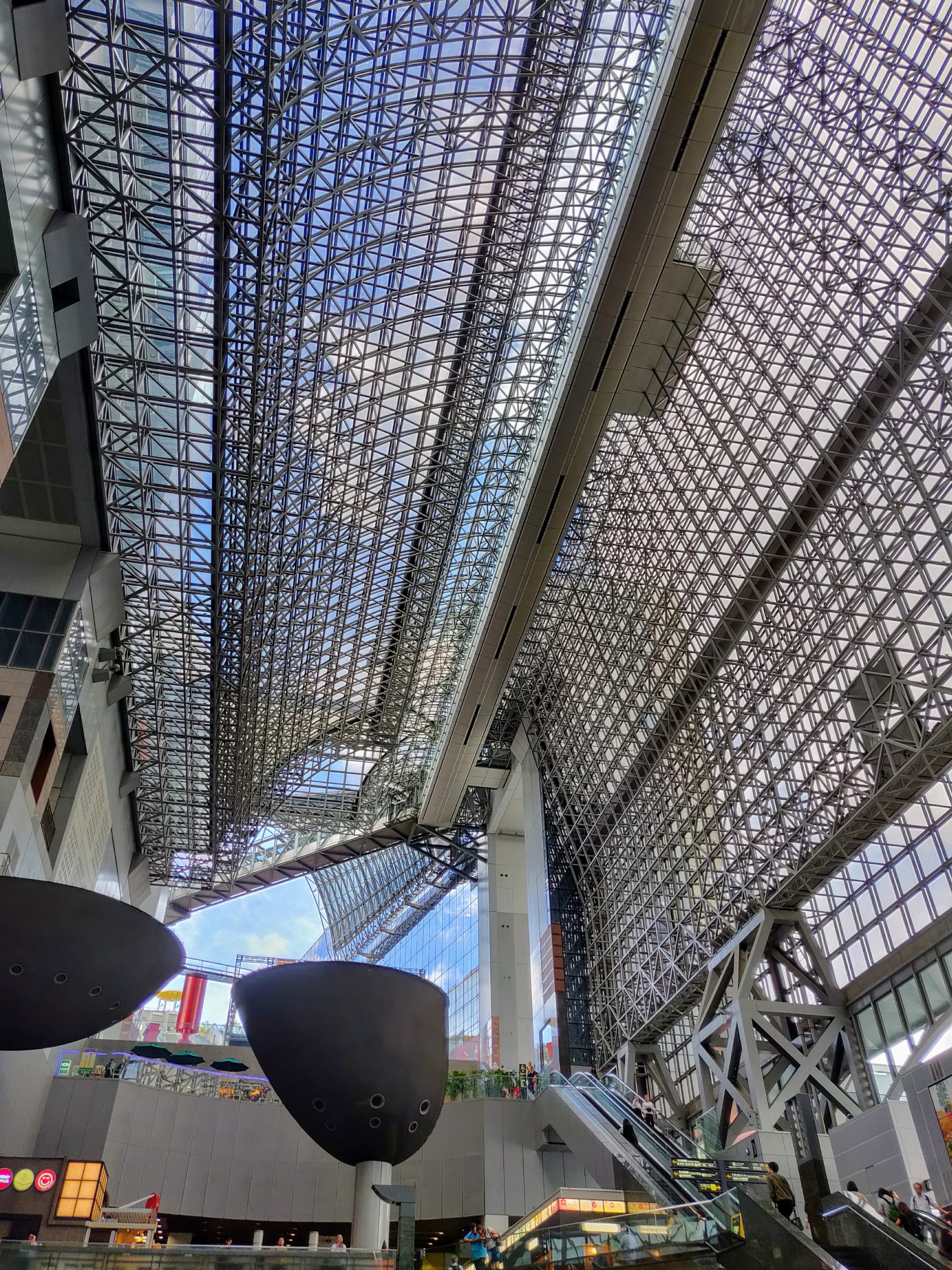
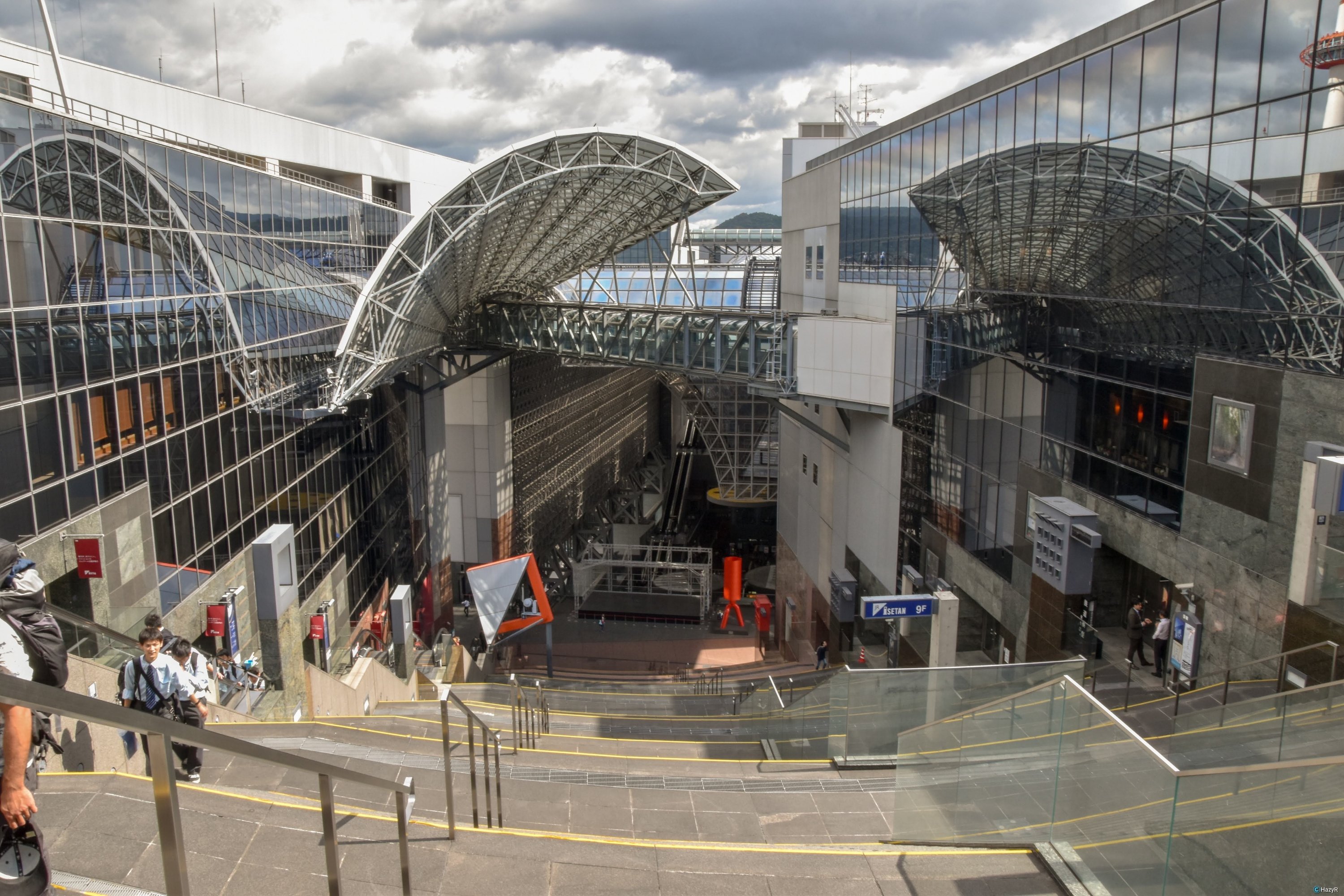
Our first stop was at the train station… an impressive structure made of steel and glass it has an escalator to a sky garden on the 15th floor, well worth taking the time to explore….

We can highly recommend Inoda’s for coffee…. established in 1940 it is very stylish and serves great coffee


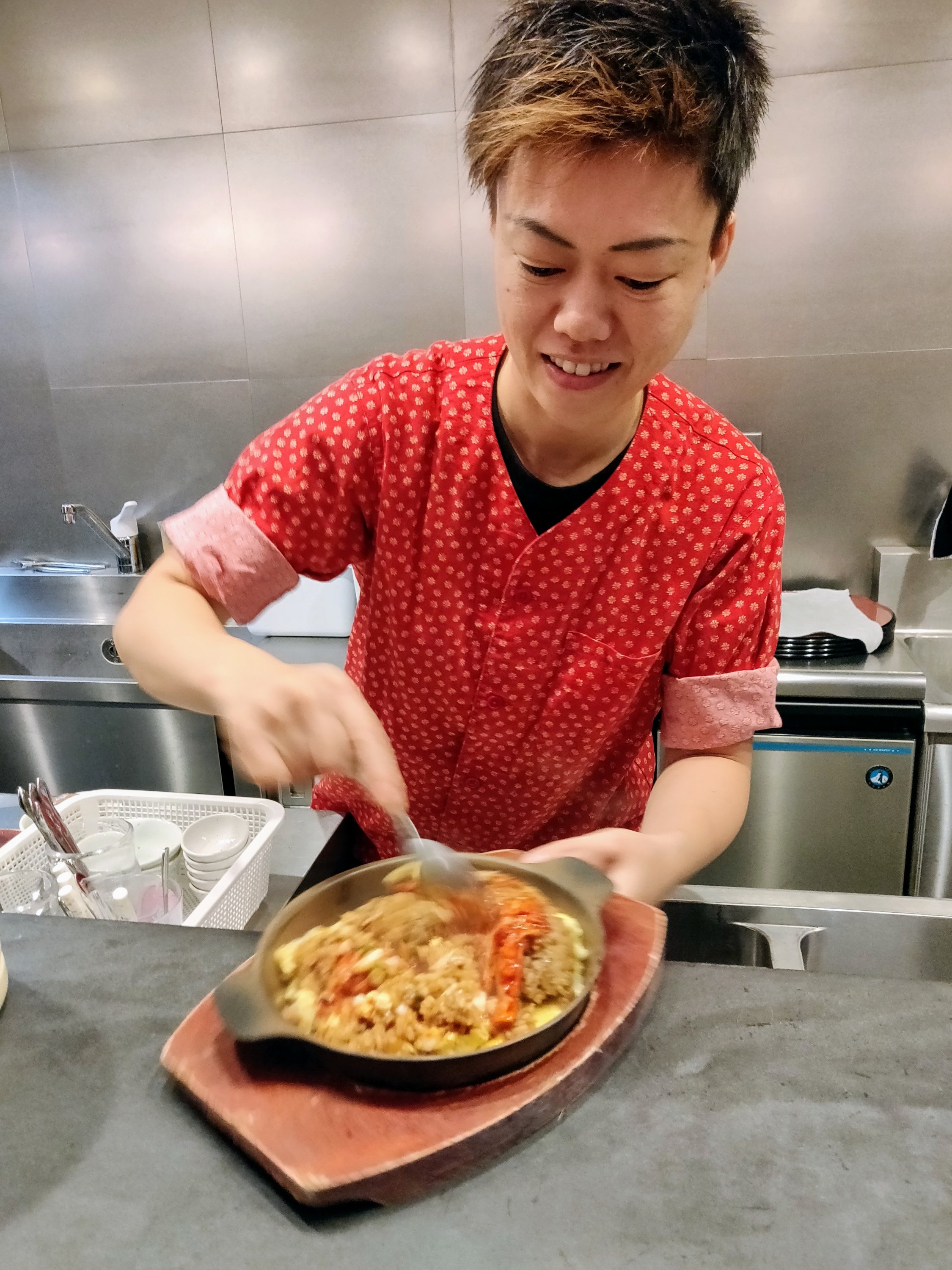
The next stop was lunch on Zaimokucha… Highly recommended in some guide books for traditional food but everything was closed on our visit! We stopped to speak to some Welsh rugby supporters and found this minute but delicious restaurant, just like sitting at the Chef’s table….

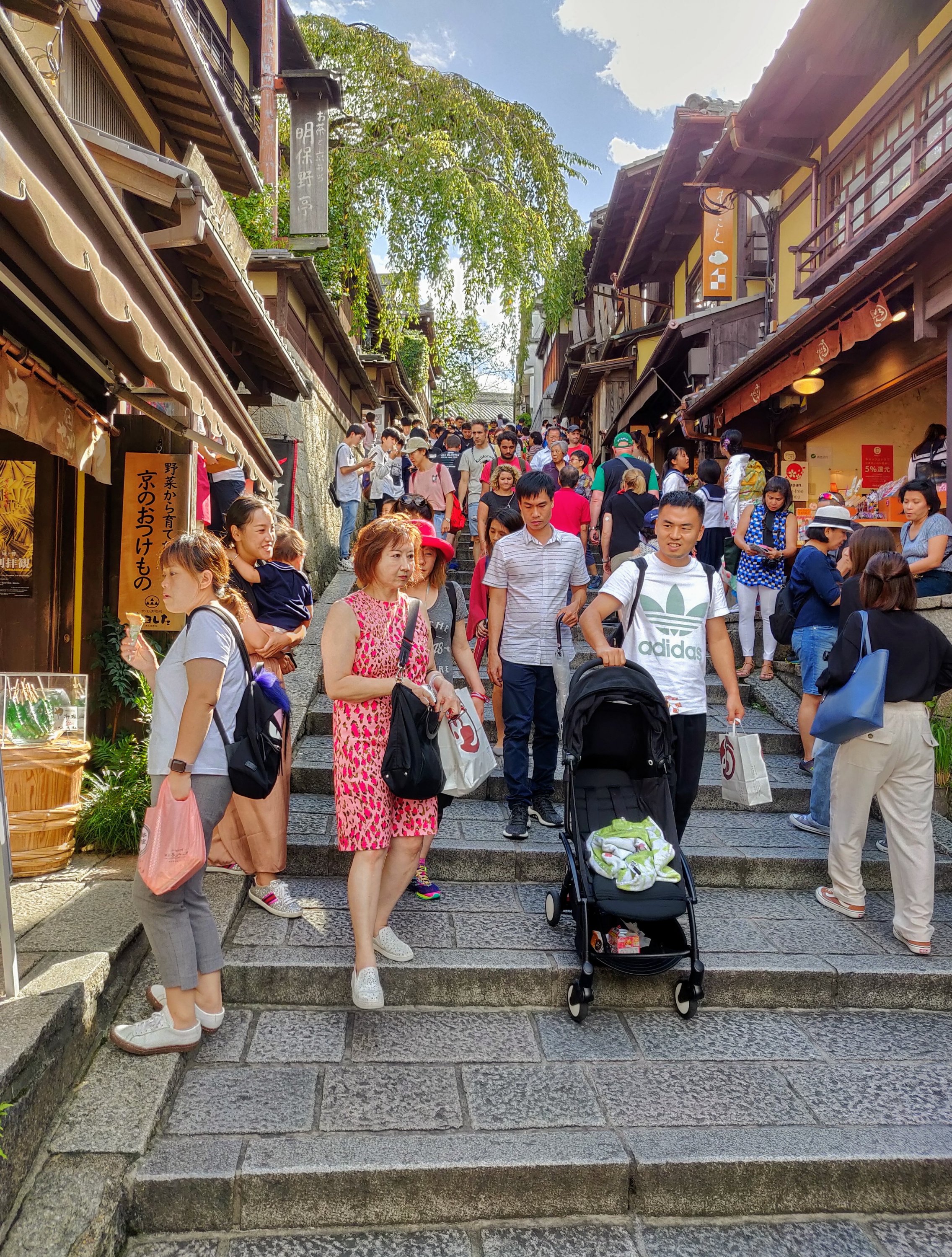
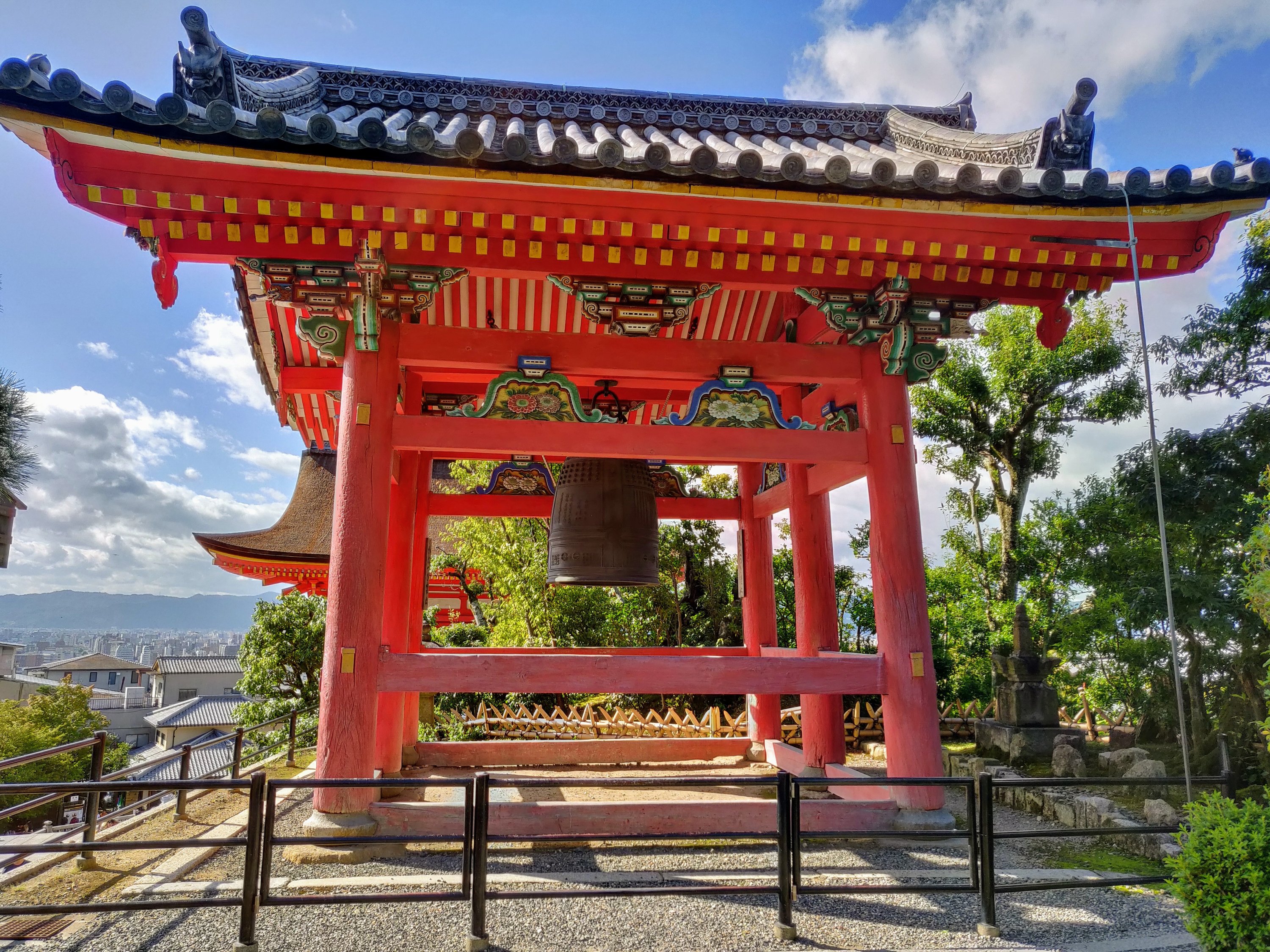
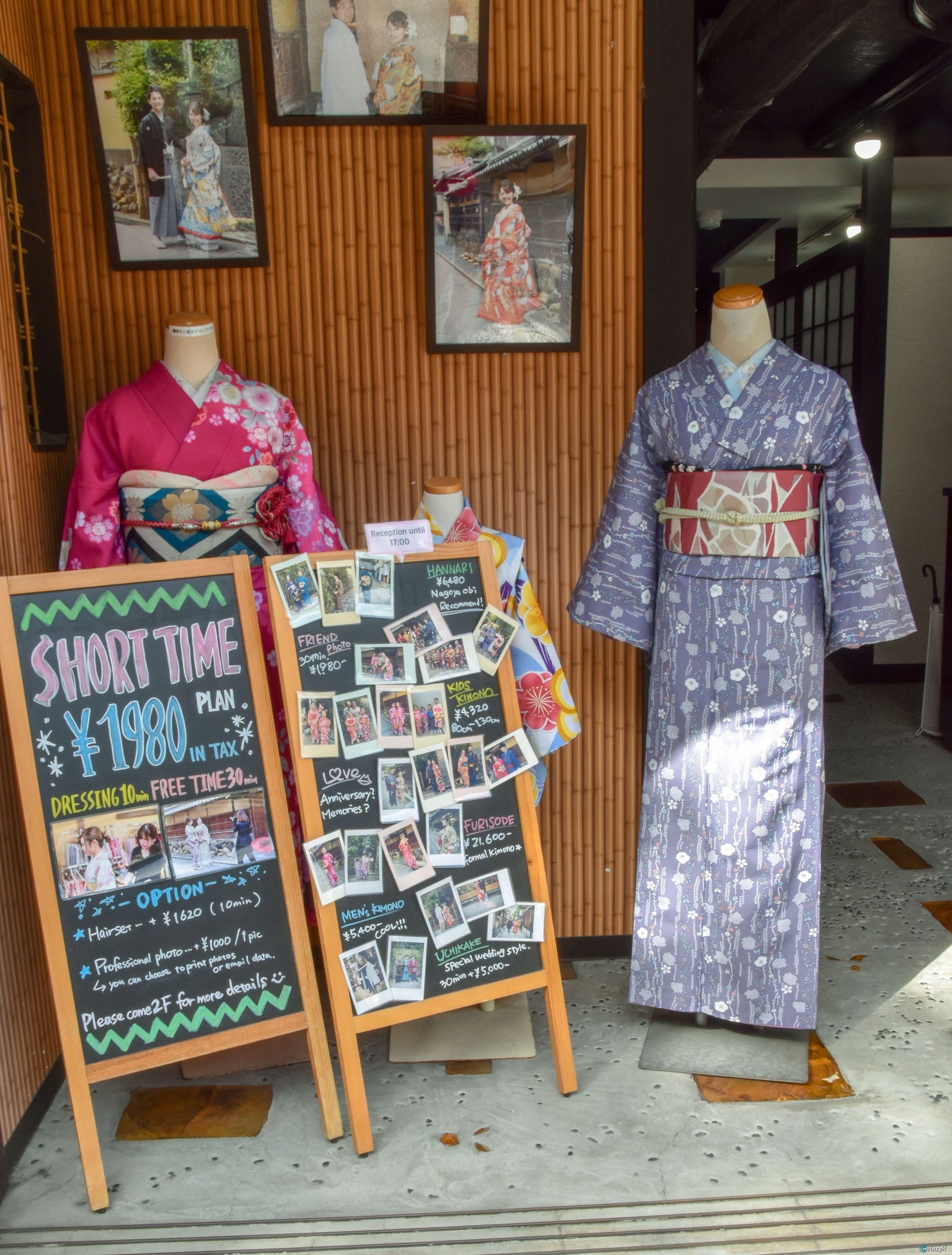
There are many temples, shrines, gardens, castles and world heritage sites in Kyoto, Google top things to do, we choose the Ninenzaja and Sannenzaka Slopes to Kiyomizudera Temple – probably the most famous and certainly the most visited site. The slopes were constructed in 808 and many of the buildings have been beautifully restored and house tea rooms and a variety of shops.
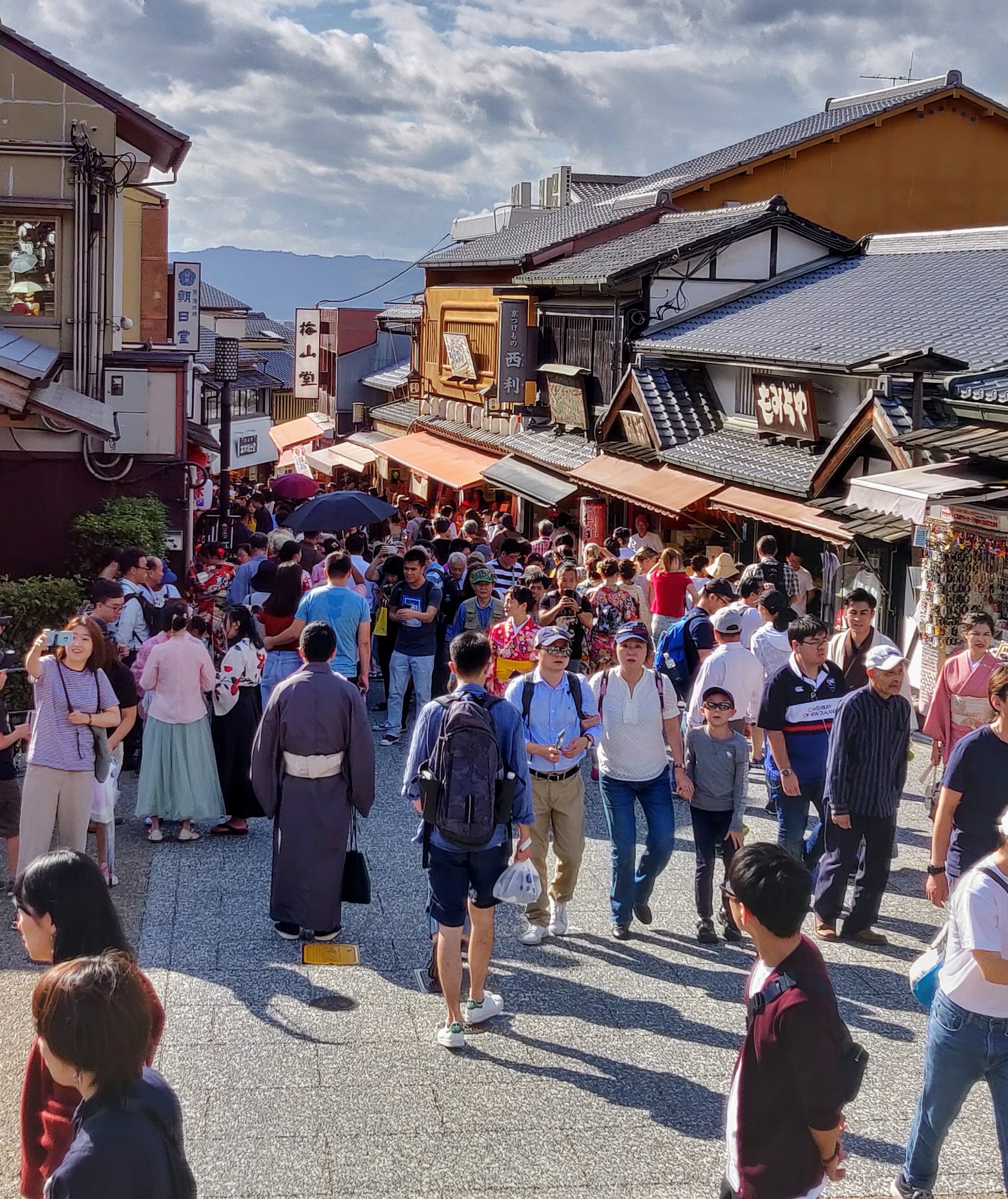
Kiyomizudera (literally “Pure Water Temple”) is one of the most celebrated templesof Japan. It was founded in 780 on the site of the Otowa Waterfall in the wooded hills east of Kyoto, and derives its name from the fall’s pure waters. The temple was originally associated with the Hosso sect, one of the oldest schools within Japanese Buddhism but formed its own Kita Hosso sect in 1965. In 1994, the temple was added to the list of UNESCO world heritage sites.


The present building was reconstructed in 1631. With the spectacular views of the sunset from the site of Sai-mon, it has long been considered a gateway to Paradise and is known as a sacred place for Nissokan, one of the meditation practices for visualizing the Pure Land.
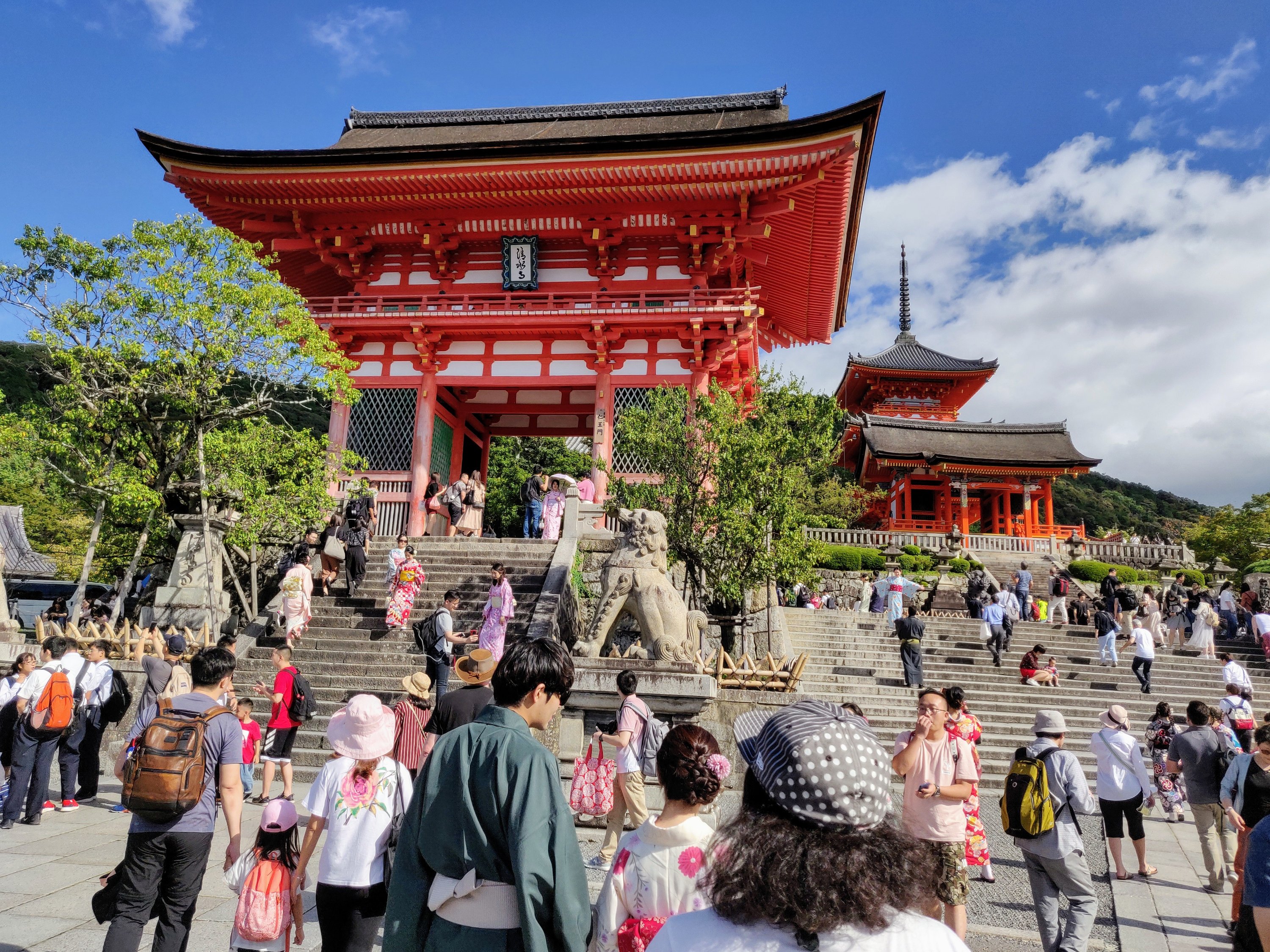
This is the main entrance of Kiyomizu-dera Temple. It was burnt down during a civil war (1467-1477) and reconstructed in the early 16th century. In 2003, the gate was taken apart and refurbished. This magnificent two-story gate measures approximately 10 meters wide, 5 meters long, and 14 meters high.

Day done it was back on the train to Kobe and a few beers at Iznt, another Lonely Planet recommendation who didn’t know they were in the guide, and a bit difficult to find – eyes glued on – and some food.
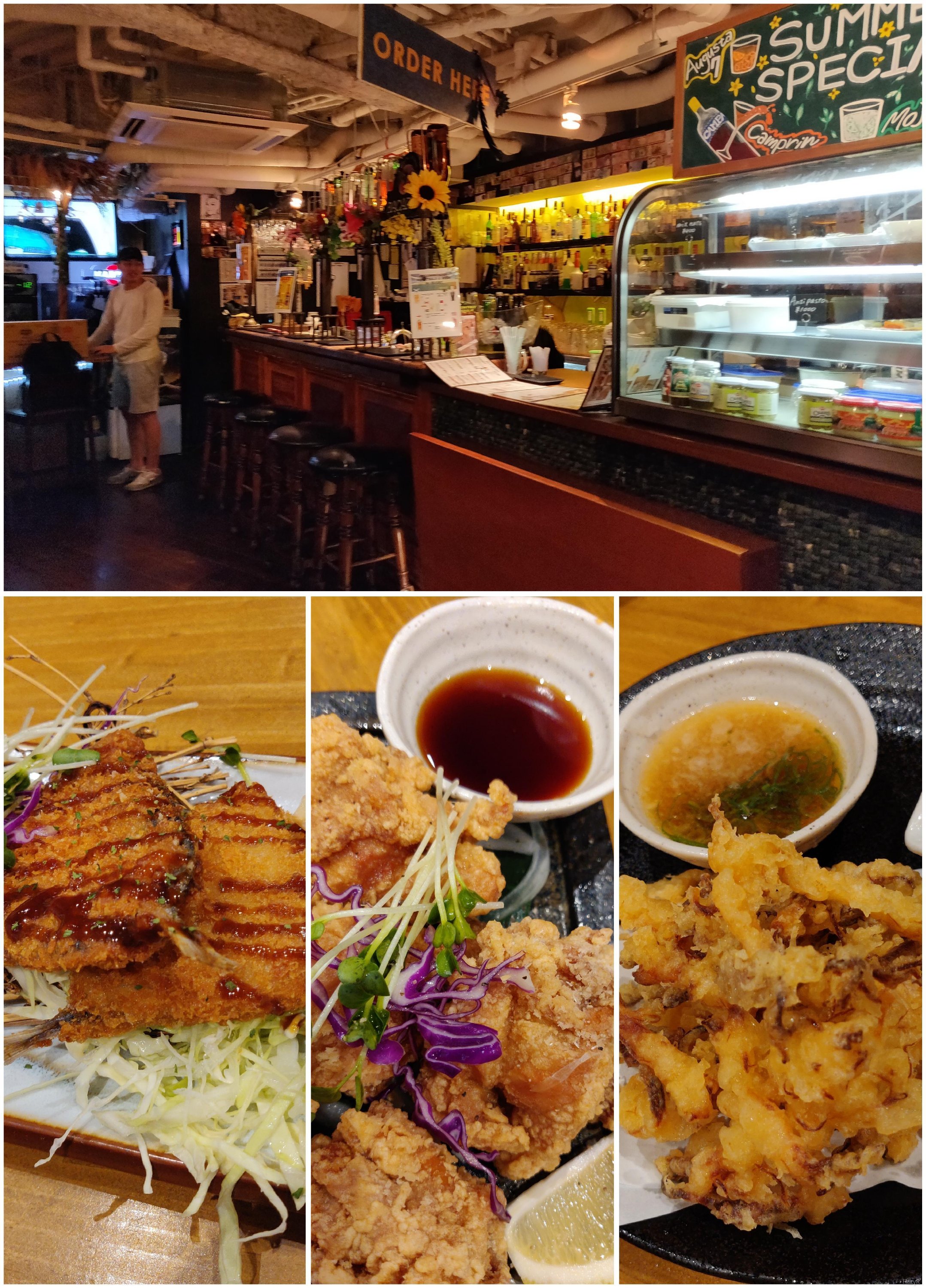
Beautiful cities albeit we only seen a small part of them.
 H&P Adventures