

A friend commented on a Facebook post after Ireland lost to Japan… “Thankfully you didn’t go all that way just to watch the rugby 😁”.
Well – yes and no!! Rugby was the catalyst that put Japan on our travel itinerary and because of the rugby it is time to leave Tokyo and head south towards Kobe. Our plan is to visit the mountain areas and stay away from the rugby centres only going in for the matches. However, before we do here are a few highlights of our last few days….
Asakusa
Asakusa is the center of Tokyo’s shitamachi (low town). It also used to be Tokyo’s leading entertainment district. After the Meiji era, from 1868 to 1912, various entertainment halls and theatres were built in the district and Asakusa was reknowned as the cultural hub of Tokyo, including a large red light district. However, large parts of it were destroyed in the air raids of World War Two and while the area around the rebuilt Senso-ji has regained its former popularity after the war, the same cannot be said for the entertainment area.
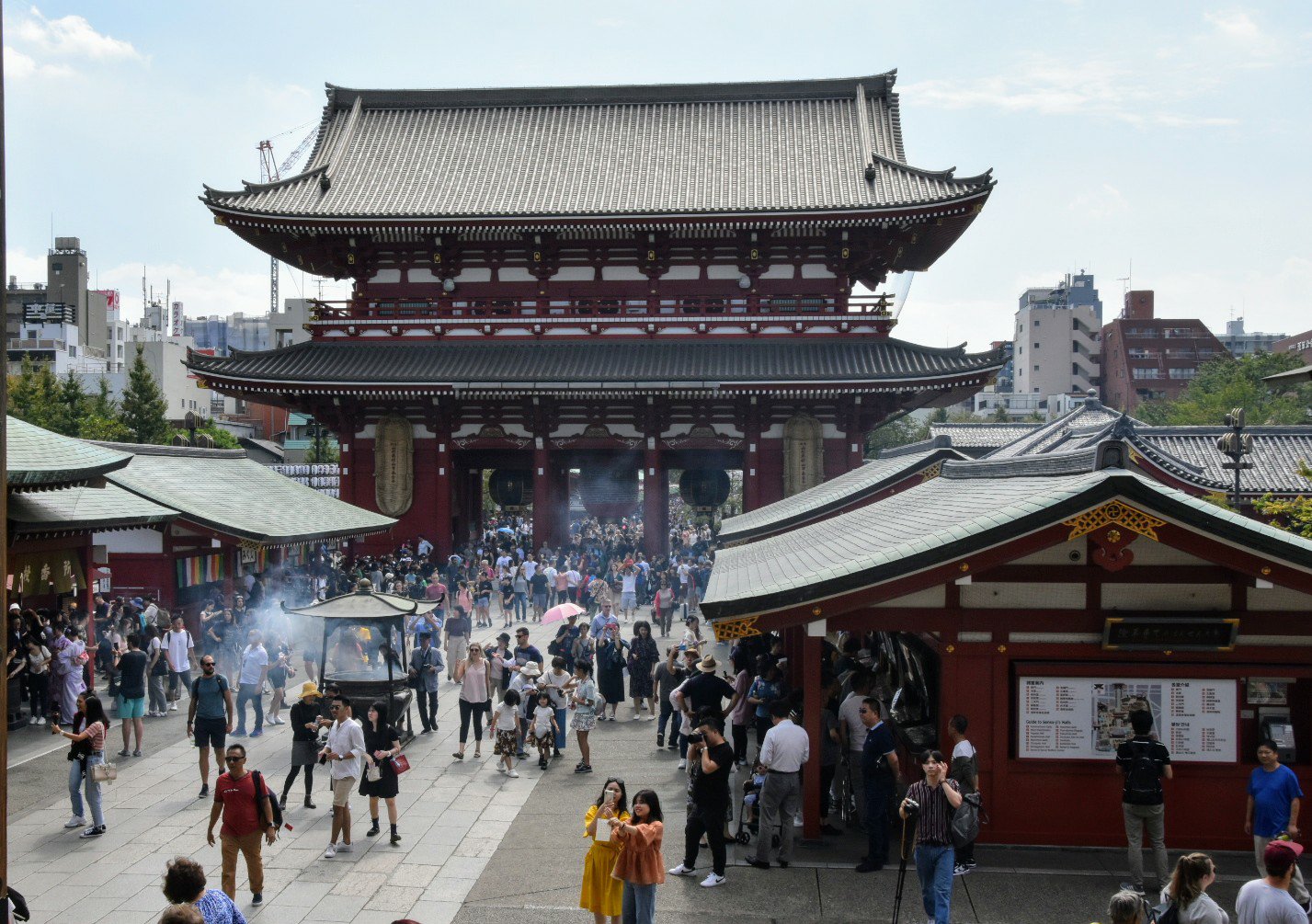
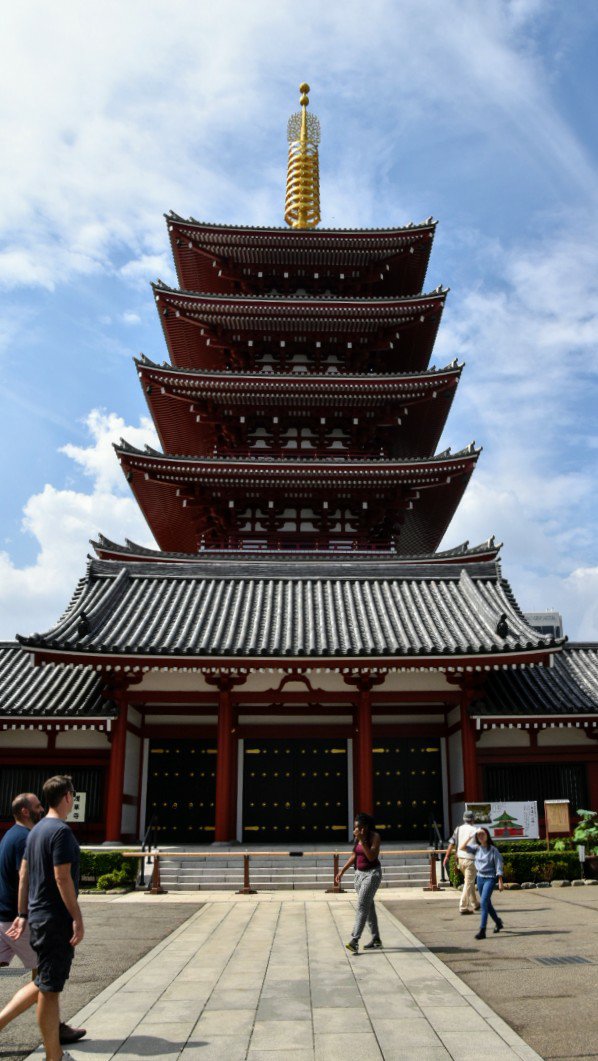
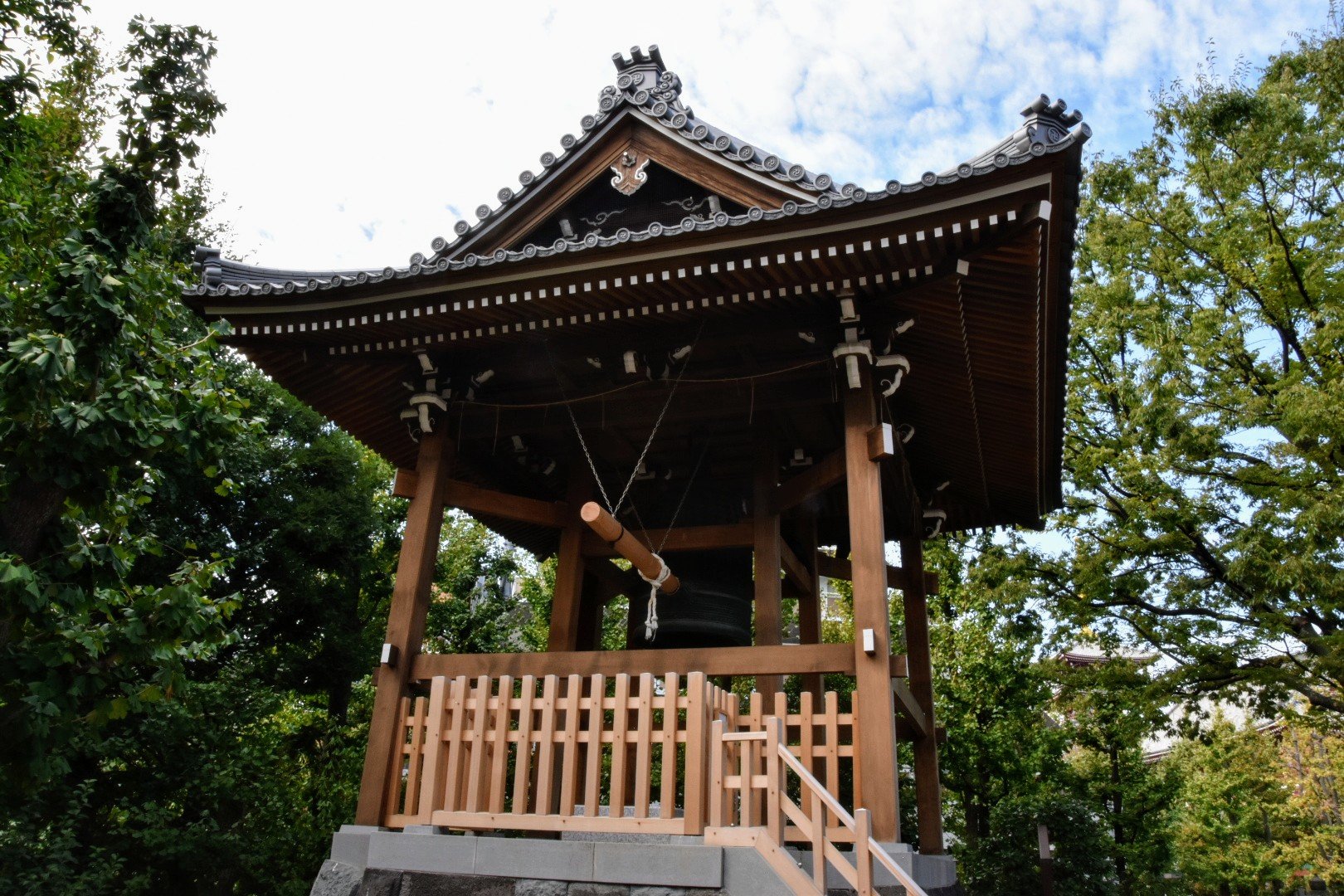
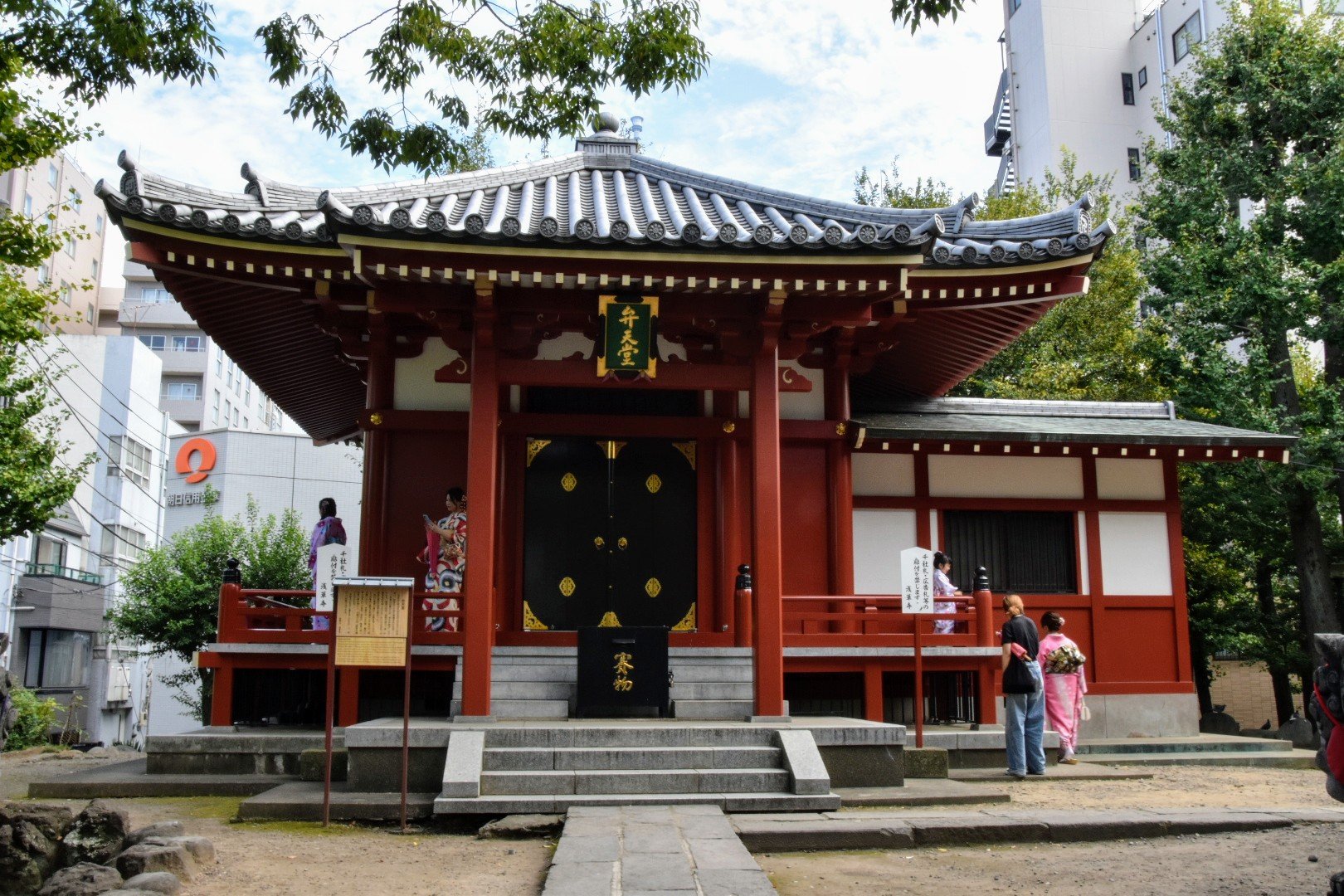
The main attraction is Sensoji, a very popular Buddhist temple, built in the 7th century. The temple is approached via a fantastic red gate called Kaminari-mon, thunder gate and the Nakamise, a shopping street that has been providing temple visitors with a variety of traditional, local snacks and tourist souvenirs for centuries.
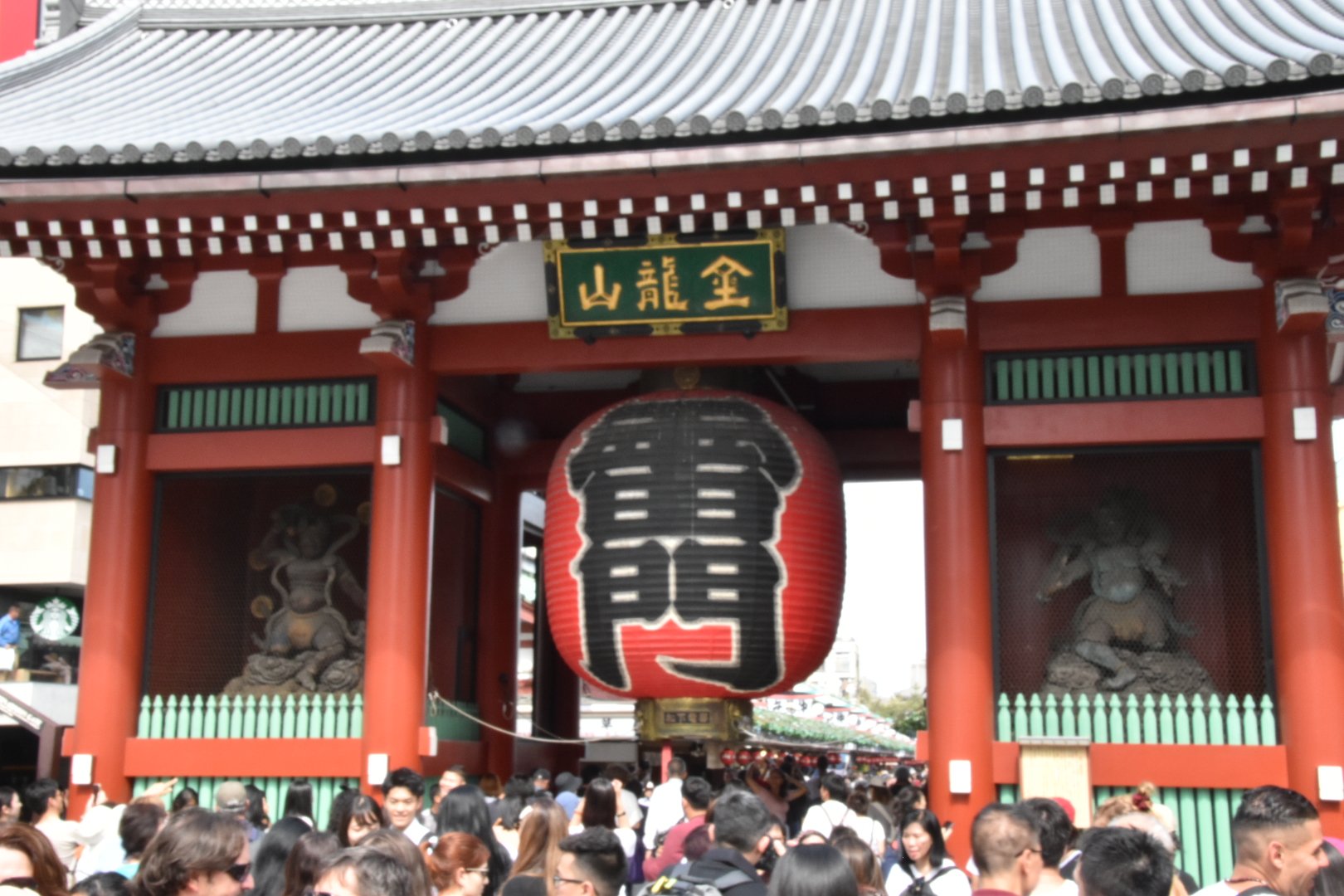


Sensoji (“Senso” is an alternative for Asakusa and “ji” means temple) is Tokyo‘s most famous and popular temple. Legend has it that in the year 628, two brothers fished a statue of Kannon, the goddess of mercy, out of the Sumida River, and even though they put the statue back into the river, it always returned to them. Consequently, Sensoji was built nearby for the goddess of Kannon. The temple was completed in 645, making it Tokyo‘s oldest temple although the current buildings are postwar reconstructions.

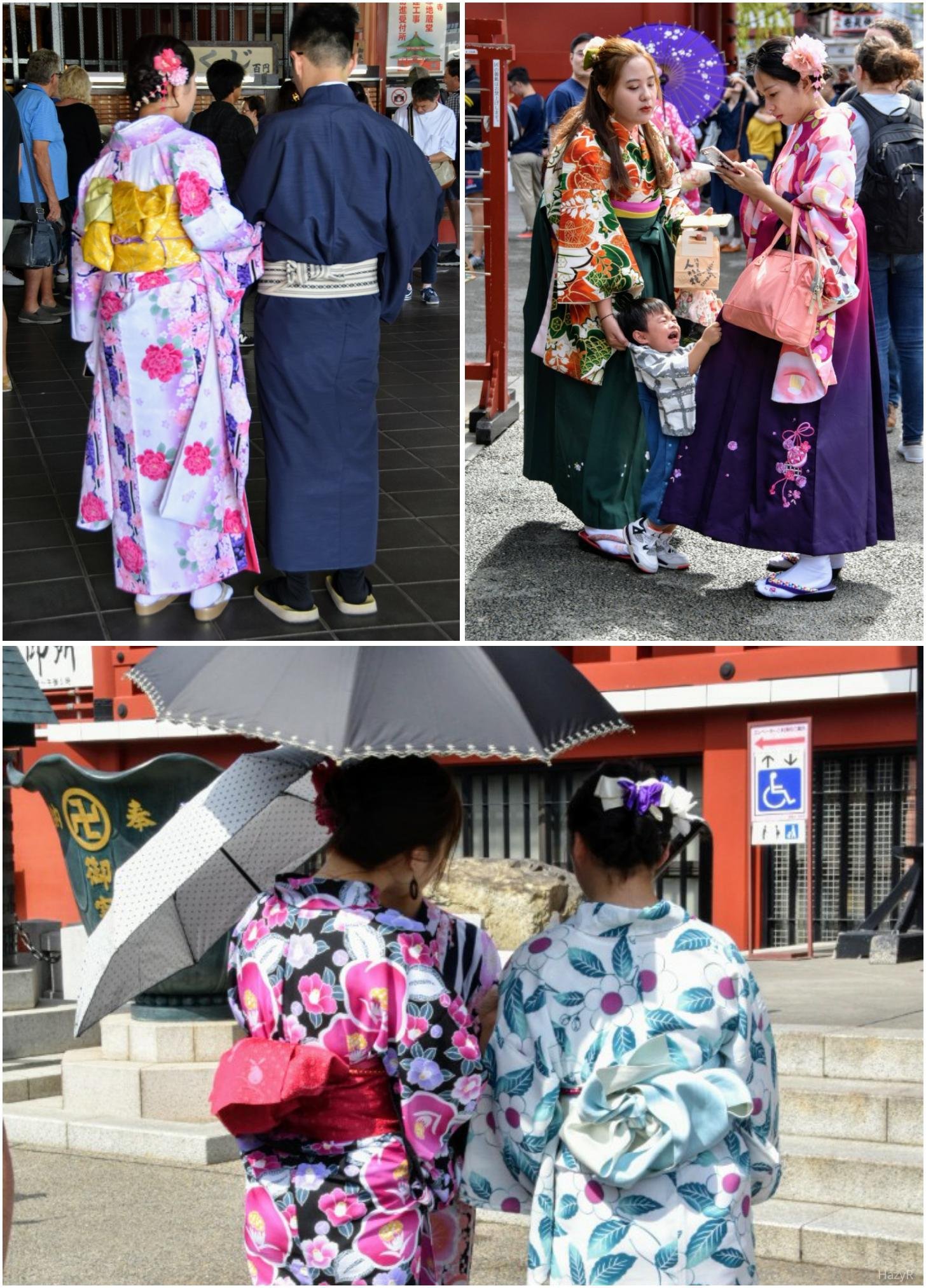
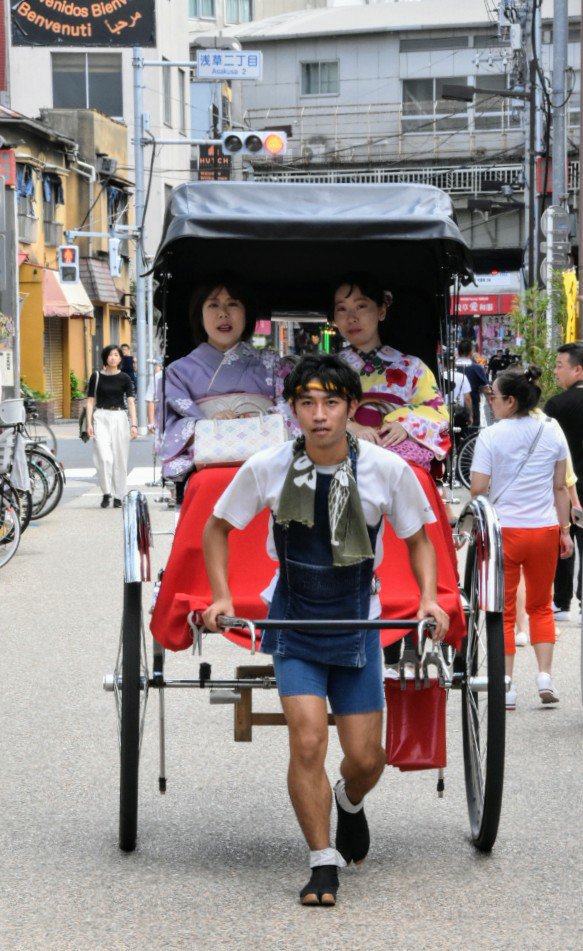
around 3000 yen – £22

Imperial Palace
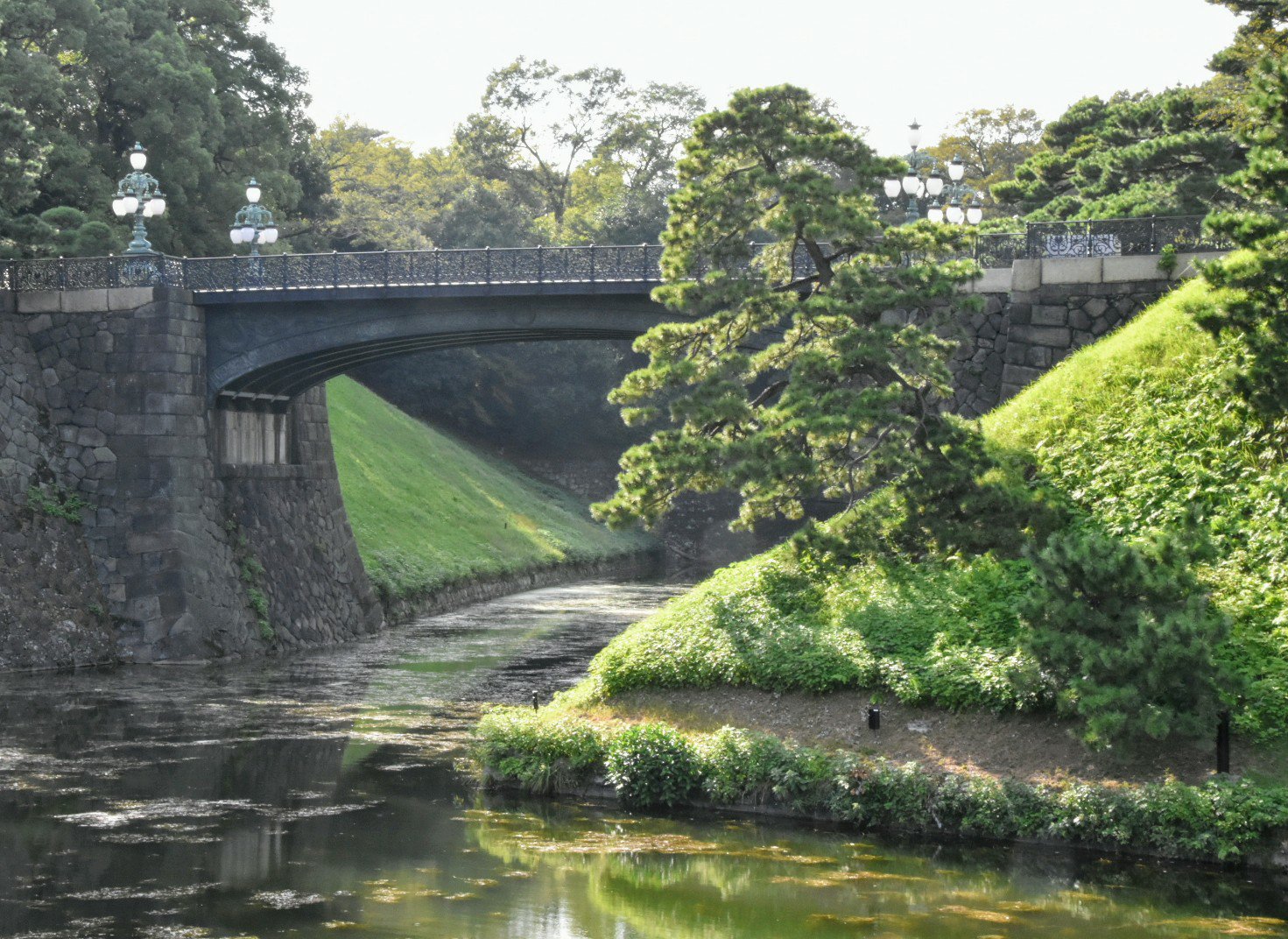
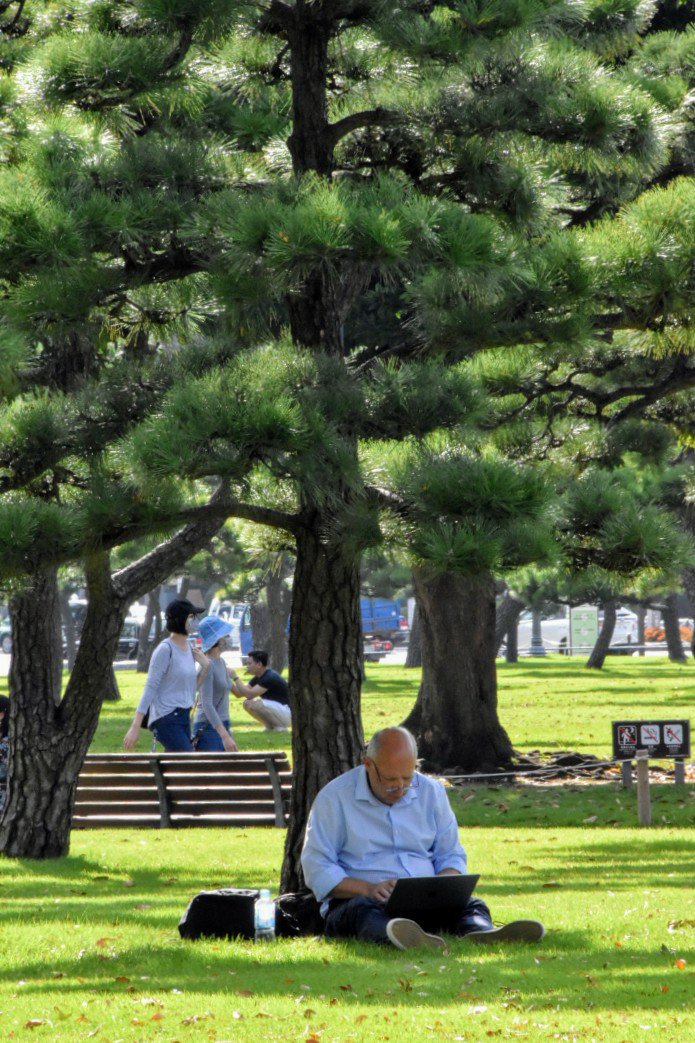
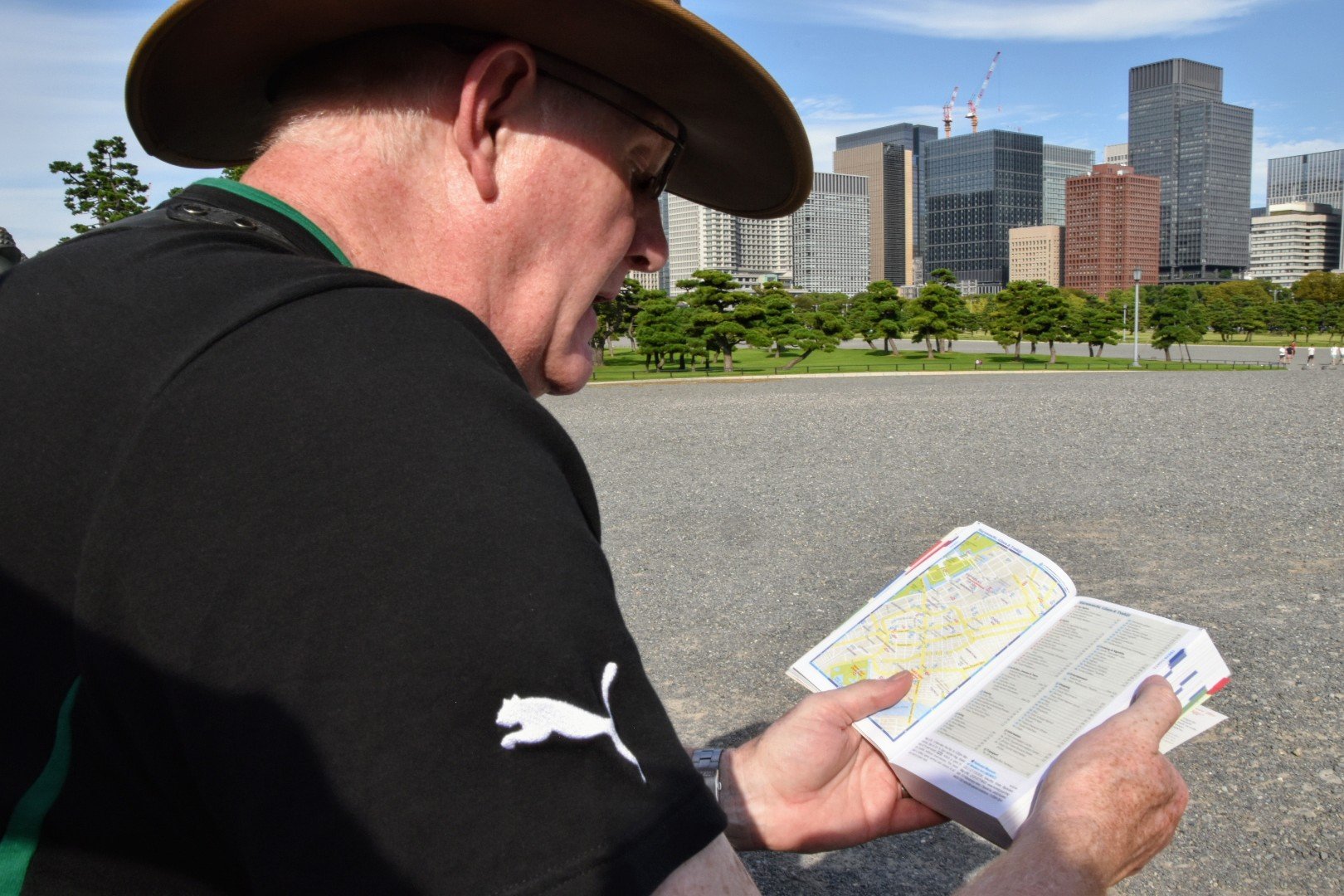
According to Lonely Planet Imperial Palace occupies the site of the original Edo-jo, the Tokugawa Shogunate’s castle. In its’ day it was the largest fortress in the world, now it is home to the Imperial household. We visited the southwest corner of Imperial Palace Plaza via the east garden to view the two bridges – the iron Niju-bashi and the stone Megane-bashi and the Edo-era Fushimi-yahura watchtower. We didn’t have an invitation from the Emperor to the inner sanctum of the grounds itself. Maybe next time!


Tokyo International Forum
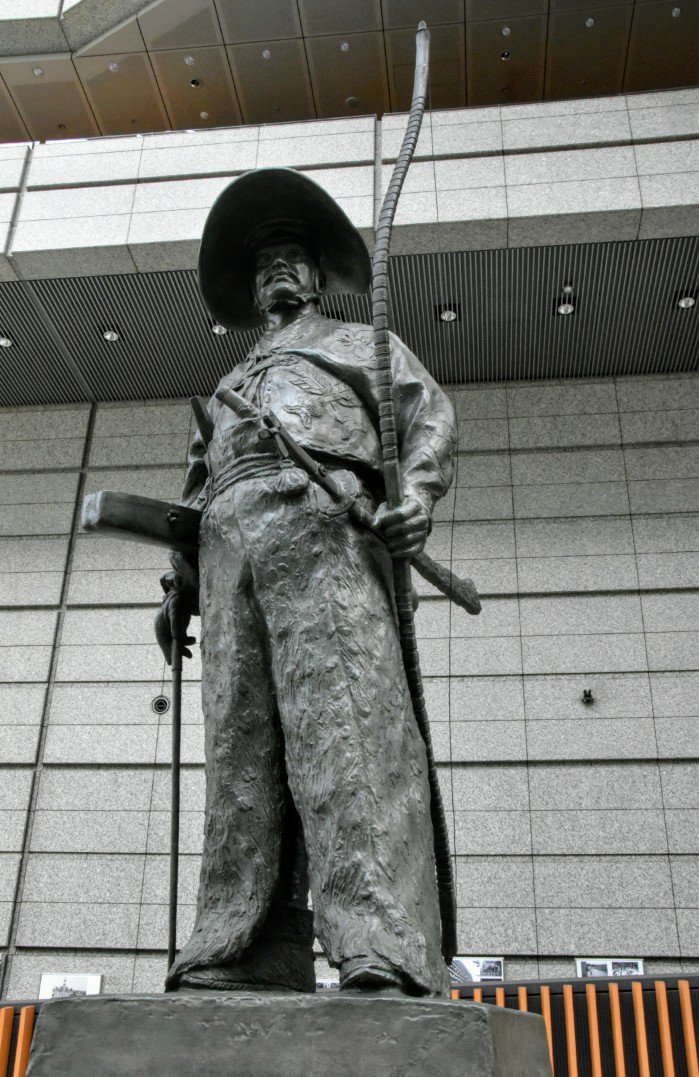
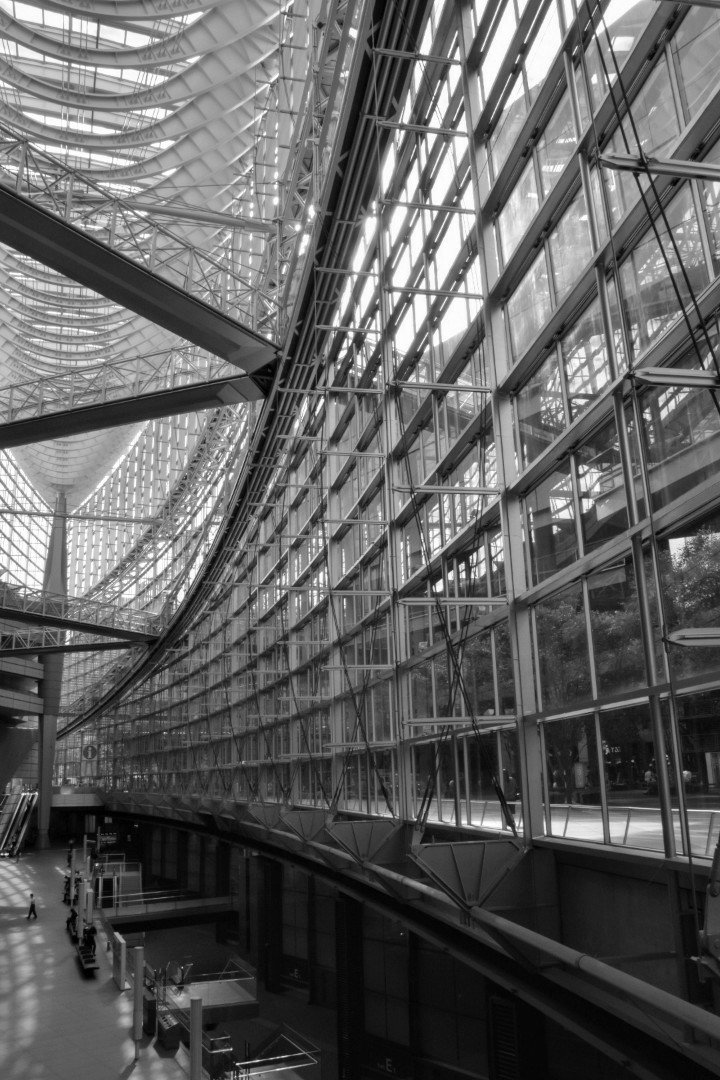
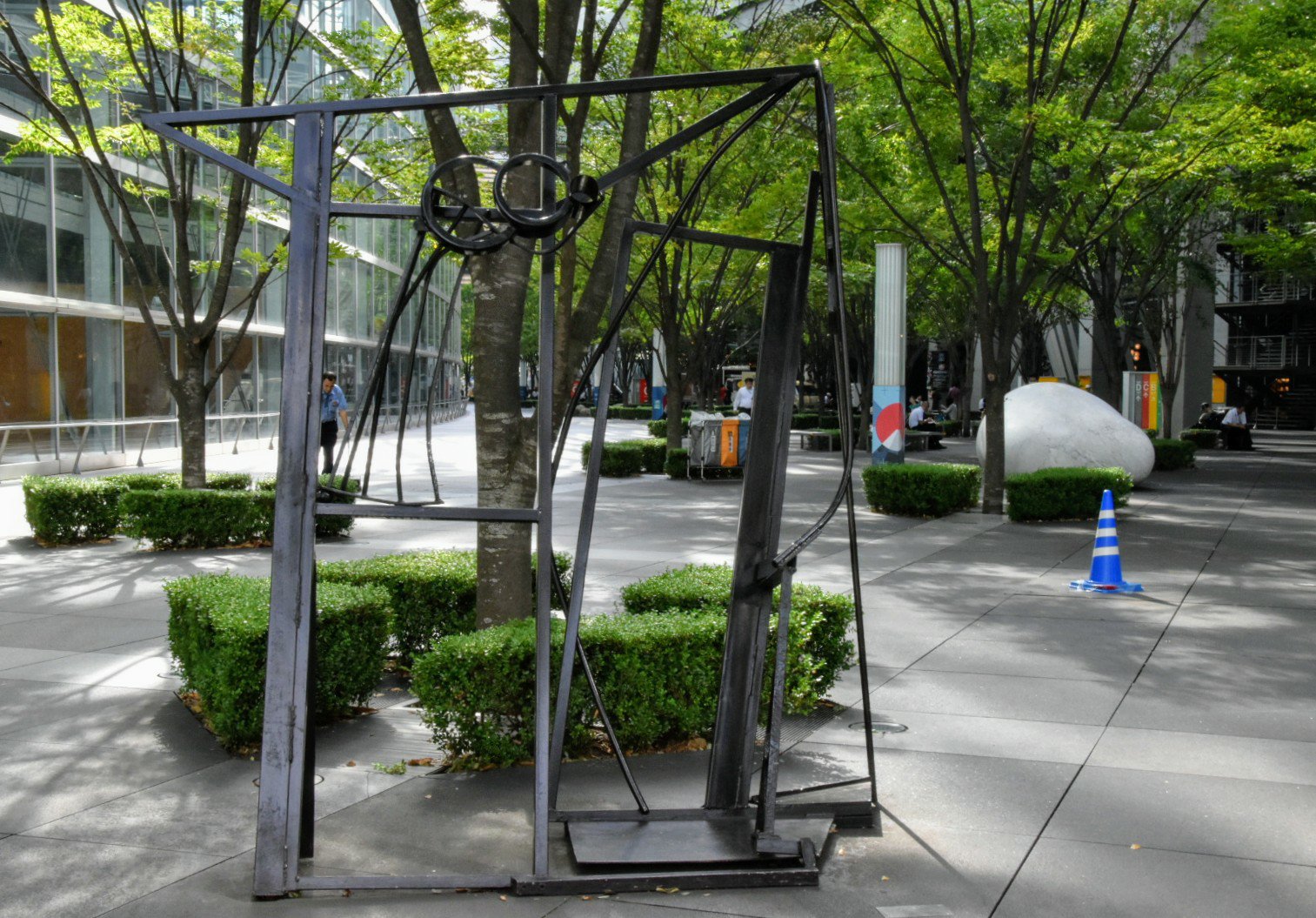
An architectural marvel designed by Rafael Vinoly, completed in 1996, which houses a convention and arts centre. The eastern wing looks like a glass ship. The statue on the ground floor is of Ota Dokan, the samari who built the first Edo castle in 1457. He proudly stands over a replica of it. Also on display was a 500 kilo rugby ball to celebrate the Rugby World Cup – told you it was all about the rugby!!


Meiji Jingu
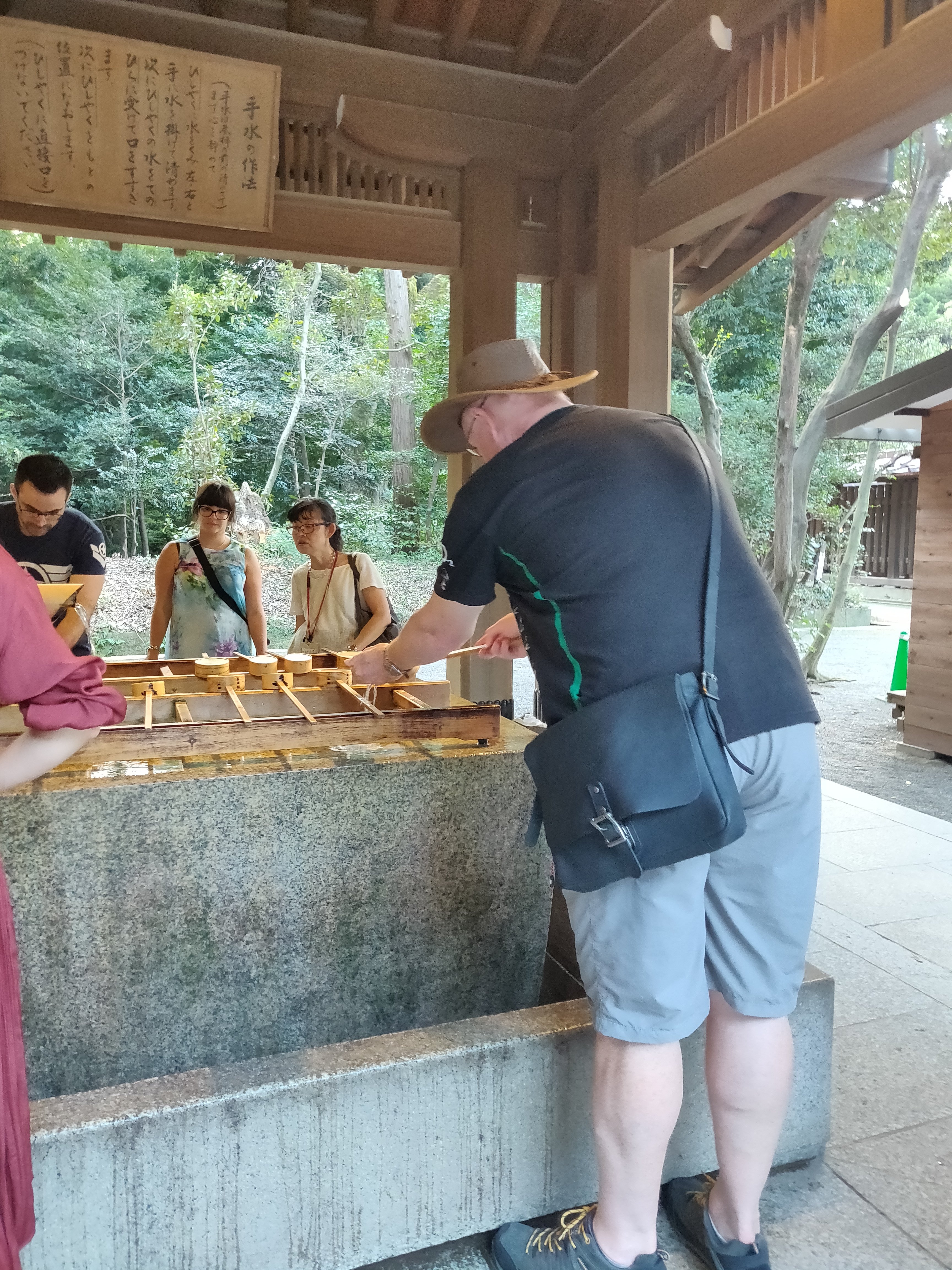
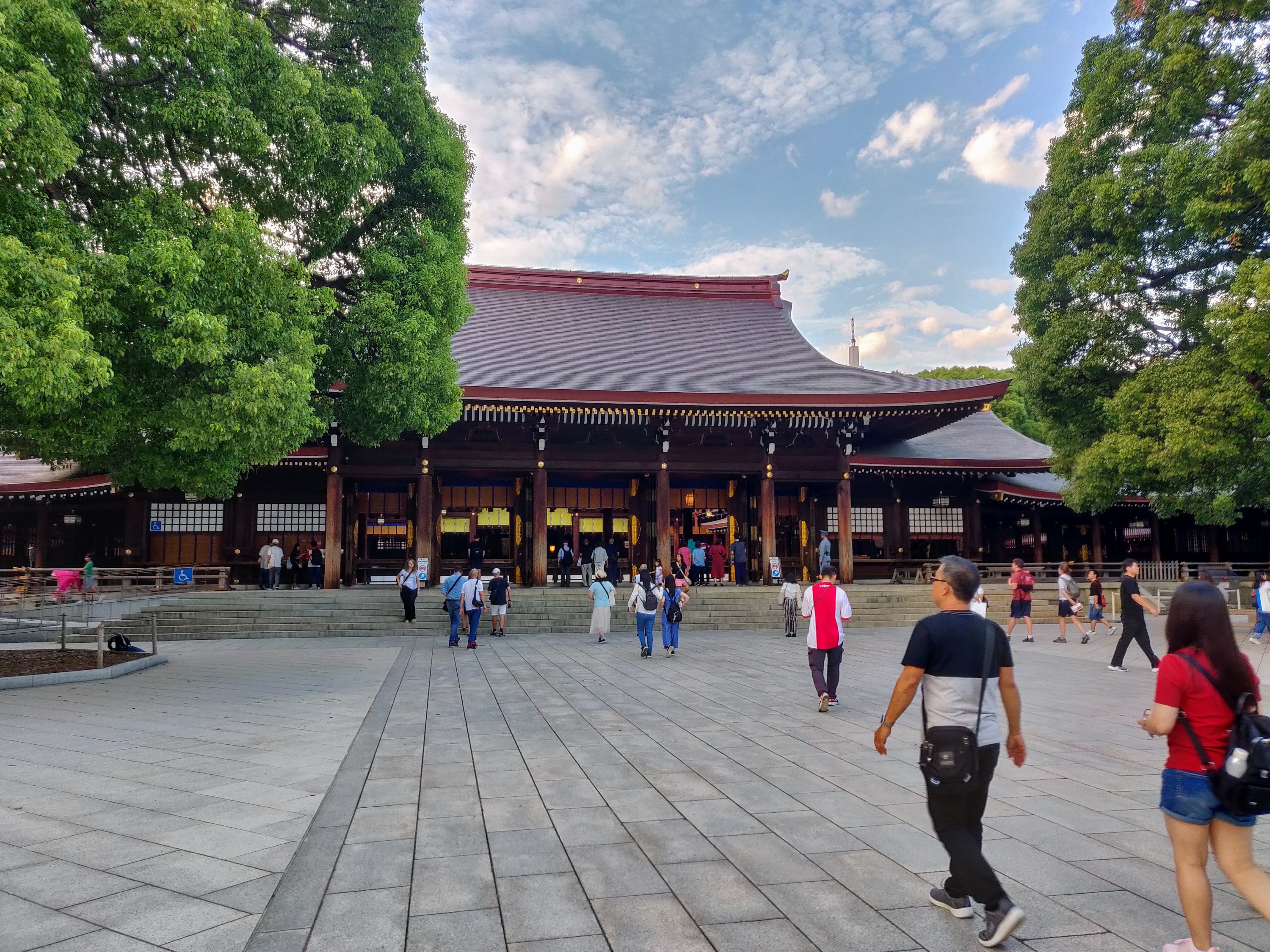
On our way back home we hopped off the train to visit the Meiji Shrine. A sinto shrine, which doesn’t contain a grave, it is dedicated to the deified spirits of Emperor Meiji and his wife, Empress Shōken. Initially built in 1920, the main shrine and other important parts of the complex were destroyed by firebombing during World War II. The shrine and its grounds were rebuilt in 1958. While its historical importance makes it worthy of a visit, perhaps the greatest attribute of Meiji Jingu is that it an oasis of quiet and beauty amid the bustle of one of Tokyo’s busy Shibuya district. There are torii gates at the entrance to the shrine which are 12m tall are made from 1,500-year-old cedar wood. On the way down the path you pass a wall of saki barrels on your right and wine barrels…. The sake, which you all will know is Japanese rice wine, is presented as a gift and the wine barrels were presented by the wine producers of Bourgogne because Emperor Meiji loved wine and he wanted his country to embrace other cultures.


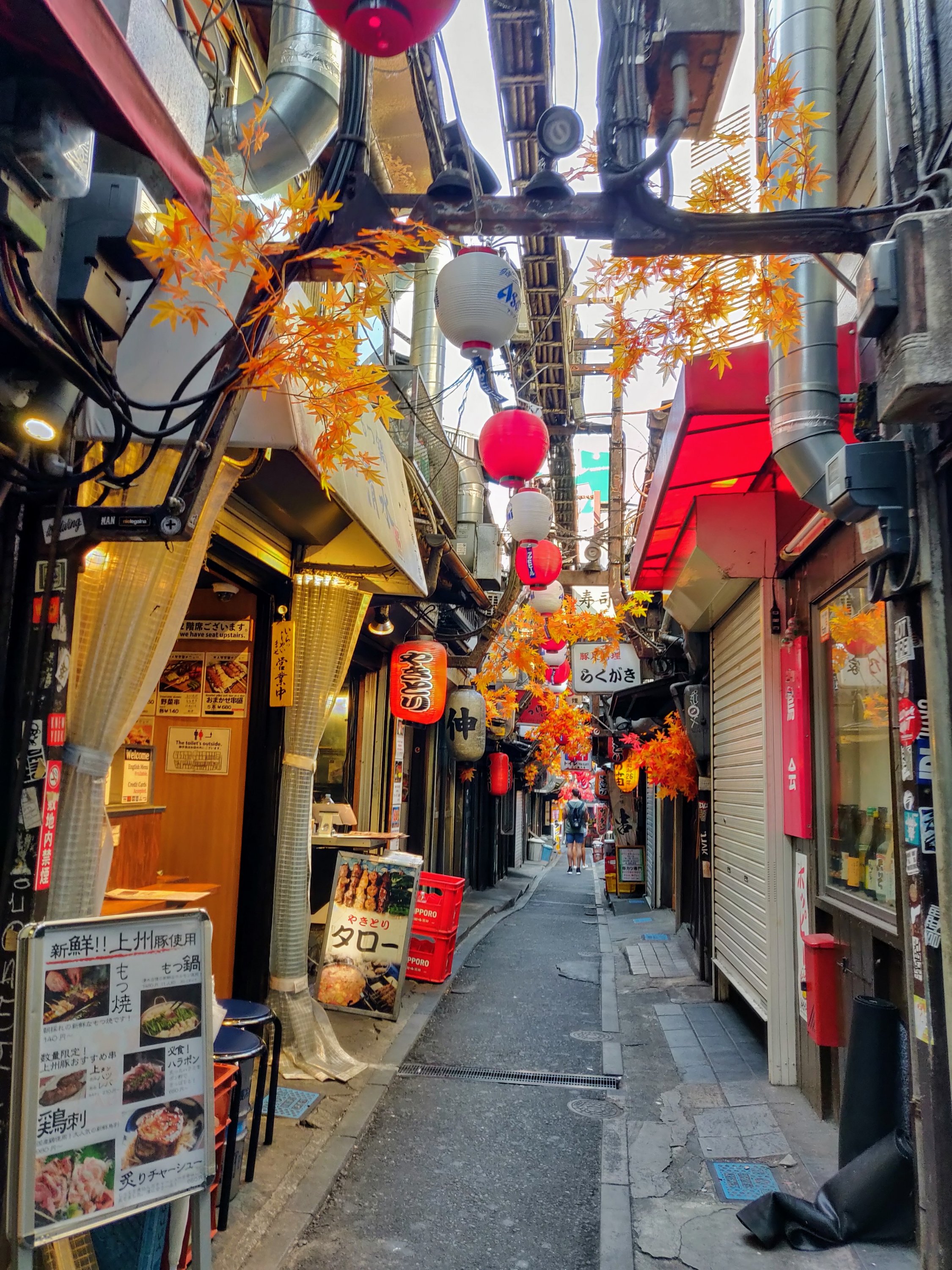
So… I’ve missed out on so much… lunch stops….
the heat…..
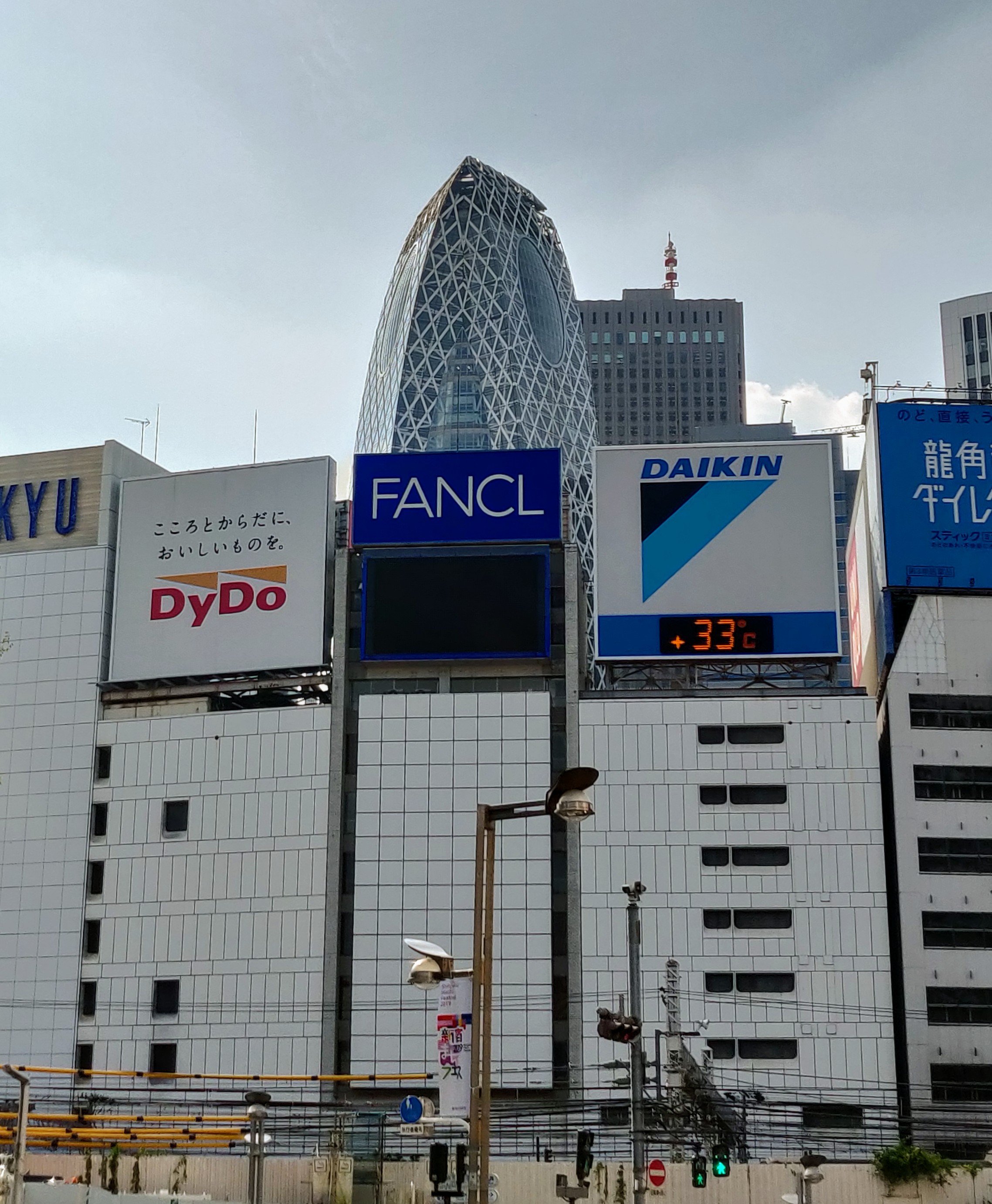
the atmosphere oh….. and a Shibuja scramble square…

And dinner at home….

Or as Michelle calls it shabby shabby
Boiling water and then vegetables and meat are added as the meal continues – great stock!
 H&P Adventures